Yuri Kuma Arashi Evolution Design Impact Culture
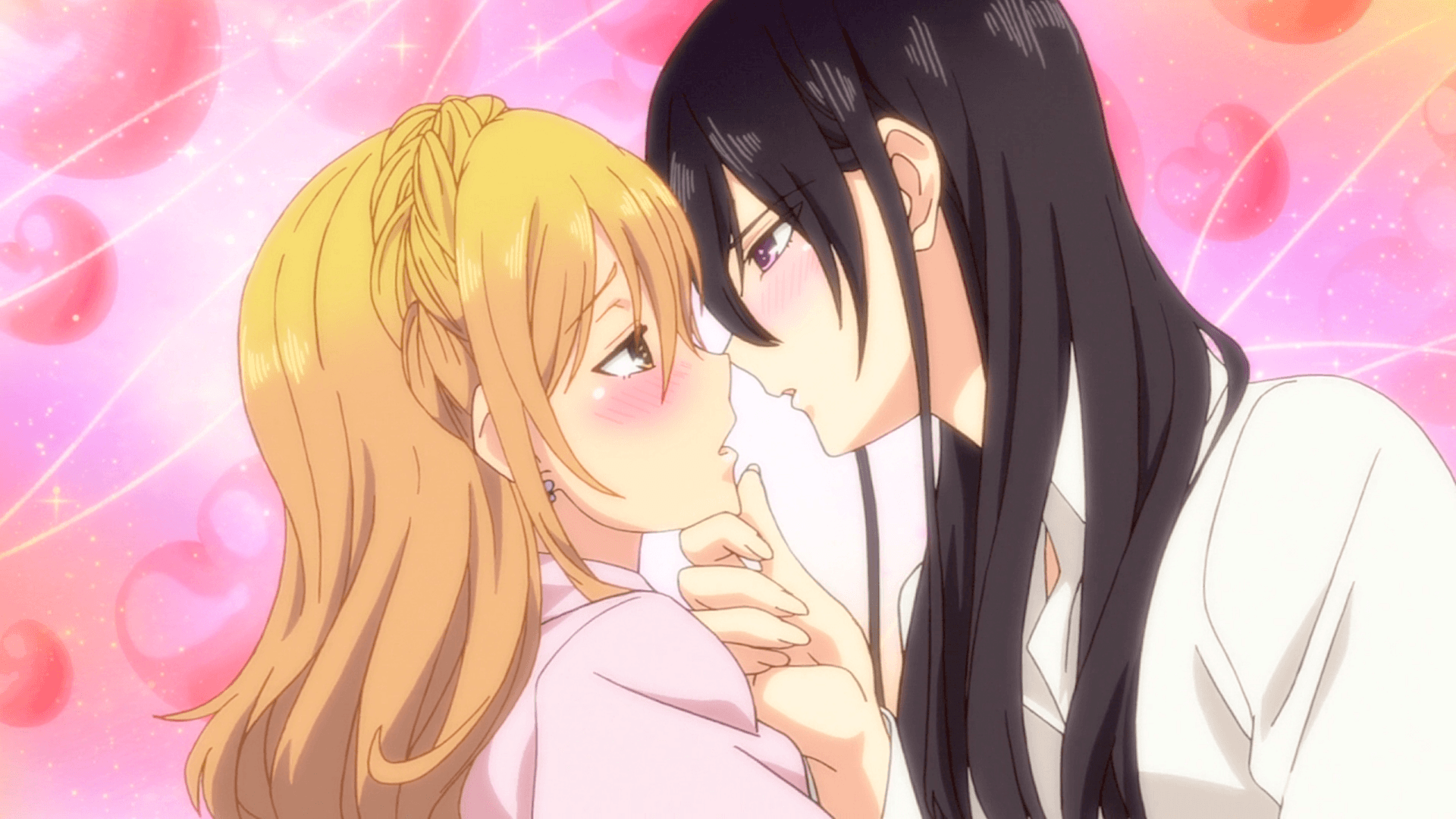
Table of Contents
- The Cultural and Historical Context of Yuri Kuma in Japanese Media
- Origins and Early Development in Internet Forums
- Evolution in Mainstream Japanese Media
- Folklore and Cultural Influences
- Comparative Analysis: Yuri Kuma vs. Other Japanese Internet Memes
- Character Design and Aesthetic Breakdown of Yuri Kuma in Arashi ’s Works
- Visual Design Elements and Symbolic Motifs
- Non-Verbal Cues and Environmental Storytelling
- Outfit Evolution Across Story Arcs
- Comparative Design Analysis with Other Arashi Characters
- Thematic Roles and Narrative Functions of Yuri Kuma in Arashi ’s Works
- Catalyst for Plot Twists and Emotional Revelations
- Symbol of Hidden Emotions and Psychological Duality
- Bridge Between Human and Supernatural Realms
- Recurring Motifs and Their Narrative Reinforcement
- Top 3 Impactful Storylines Featuring Yuri Kuma
- Fan Reception and Memetic Spread of Yuri Kuma in Arashi ’s Works
- Fan Theories and Interpretations of Yuri Kuma ’s True Nature
- Viral Spread Through Fan Art, Cosplay, and Internet Culture
- Evolution of Yuri Kuma ’s Memetic Value and Fan-Created Reinterpretations
The phenomenon of Yuri Kuma within the Arashi universe represents a fascinating intersection of internet culture, Japanese media, and narrative innovation. Emerging from niche online forums, this iconic character has transcended its origins to become a defining symbol of whimsy and emotional depth in anime, manga, and digital storytelling. Its evolution reflects broader shifts in how supernatural motifs and memetic design are integrated into mainstream entertainment, blending folklore with contemporary aesthetics. By examining its cultural roots, visual storytelling techniques, and thematic roles, this analysis explores how Yuri Kuma reshapes both fan engagement and artistic expression.
From its earliest appearances in webcomics to its prominence in Arashi’s works, Yuri Kuma embodies a unique fusion of cuteness and mystique, challenging traditional character archetypes. The character’s design—marked by exaggerated features, pastel palettes, and symbolic motifs—serves as a visual language that communicates complex narratives without relying on explicit dialogue. Meanwhile, its narrative functions extend beyond mere plot devices, often acting as a catalyst for emotional revelations or supernatural intrigue. This duality has cemented Yuri Kuma’s status as a memetic phenomenon, sparking fan theories, creative reinterpretations, and cross-platform virality that continue to redefine its cultural legacy.
The Cultural and Historical Context of Yuri Kuma in Japanese Media
The Yuri Kuma phenomenon emerged as a distinctive meme within Japan’s digital culture, blending exaggerated anthropomorphism with kawaii aesthetics and internet humor. Originating in niche online forums, it evolved into a mainstream symbol through anime, manga, and webcomics, reflecting broader trends in Japanese internet subcultures. Its design—characterized by oversized heads, pastel color schemes, and playful expressions—draws from traditional yokai folklore and modern kawaii culture, while its memetic spread parallels other iconic Japanese internet characters like Rilakkuma and Sanrio creations. Below is an analysis of its origins, evolution, and cultural influences, alongside a comparative table with other key memes.Origins and Early Development in Internet Forums
The Yuri Kuma character first appeared in the early 2010s on Japanese internet forums, particularly in 2channel and Nico Nico Douga, where users created and shared anthropomorphic bear characters with exaggerated features. These early iterations were often associated with yuri (BL) content, though the term "Yuri Kuma" itself became a generic label for any bear character in such contexts. The design was heavily influenced by:The character’s name likely stems from the Japanese word yuri (百合), historically linked to romantic or platonic relationships between women, though its memetic use detached it from literal yuri themes. By 2012–2014, Yuri Kuma had become a template for user-generated content, with artists on Pixiv and Twitter (now X) creating variations, often with humorous or satirical twists.
Evolution in Mainstream Japanese Media
The transition of Yuri Kuma from forum meme to mainstream media occurred through three key phases:1. Webcomics and Fan Art (2014–2016)
Artists on platforms like Pixiv and Twitter expanded the character’s design, introducing sub-types such as Yandere Yuri Kuma (obsessive love interest) or Tsundere Yuri Kuma (blushing, aloof demeanor). These variations mirrored broader trends in BL (yaoi) and yuri manga, where animal protagonists were increasingly popular. Notable examples include:
2. Anime and Light Novels (2017–Present)
While no major studio produced a Yuri Kuma anime, the character’s influence seeped into works like:
3. Merchandising and Pop Culture Parodies
By 2018, Yuri Kuma appeared in:
Folklore and Cultural Influences
Yuri Kuma’s design and themes reflect deeper ties to Japanese folklore and modern subcultures:- Yokai and Animal Spirits
The bear (kuma) in Japanese folklore is ambiguous: sometimes a trickster (Tengu’s kuma companions), other times a protective figure (Kuma no Kami in Shinto). Yuri Kuma subverts these roles by embodying innocence, aligning with kawaii culture’s rejection of traditional yokai fearsome traits.
- Kawaii Culture and Gender Expression
The character’s exaggerated features echo kawaii trends like Sanrio’s Pochacco (2000s) or Kumamon’s (2011) soft, rounded designs. However, Yuri Kuma’s association with yuri themes also ties to Japan’s BL subculture, where animal protagonists (e.g., Fox Girl in yuri manga) serve as metaphors for human relationships.
- Internet Aesthetics and Parody
The character’s memetic spread aligns with Japan’s internet otaku culture, where parody and remixing are central. For example:
Comparative Analysis: Yuri Kuma vs. Other Japanese Internet Memes
Below is a table comparing Yuri Kuma with three iconic Japanese memes, highlighting design, cultural role, and impact:| Feature | Yuri Kuma | Rilakkuma (2003) | Kumamon (2011) | Sanrio Characters (e.g., Hello Kitty) |
|---|---|---|---|---|
| Origin | Early 2010s internet forums (2channel, Nico Nico Douga) | Manga by Takehiko Inoue (later Sanrio licensed) | Kumamoto Prefecture mascot campaign | Sanrio (1960s), global kawaii brand |
| Primary Design Traits | Oversized head, pastel colors, yuri-themed expressions | Rounded, minimalist, neutral tones | Chubby, cartoonish, local cultural references | Symmetrical, cute, brand-consistent |
| Cultural Role | Niche BL/yuri meme, later mainstream parody | Symbol of kawaii minimalism, global merchandise | Regional tourism mascot, economic boost | Global kawaii ambassador, commercial staple |
| Key Adaptations | Webcomics, doujinshi, light novels | Anime (Rilakkuma and Kaoru), merchandise | Merchandise, anime (Kumamon no Natsu Yasumi) | Licensing, collaborations (e.g., Pokémon) |
| Folklore/Historical Links | Yokai (bear as trickster/protector), kawaii subversion | None; purely modern design | Kumamoto regional identity, yokai nod | Maneki-neko (lucky cat) influence in early designs |
| Tone | Humorous, often satirical or romantic | Whimsical, philosophical | Playful, community-focused | Universally cute, brand-safe |
| Peak Popularity | 2014–2018 (webcomic/merchandise boom) | 2005–2010 (anime peak) | 2011–2013 (mascot campaign) | Ongoing (since 1970s) |
| Global Reach | Limited (niche BL fandom |

Character Design and Aesthetic Breakdown of Yuri Kuma in Arashi’s Works
The visual identity of Yuri Kuma in Arashi’s media—particularly in Arashi no Yoru ni and its sequels—serves as a cornerstone of the franchise’s charm, blending anthropomorphic animal design with human-like emotional depth. The character’s aesthetic is meticulously crafted to reflect her personality traits, thematic roles, and narrative progression through color psychology, body language, and symbolic motifs. Clothing choices further emphasize shifts in her character arc, while shared design elements with other Arashi series characters reinforce the franchise’s cohesive yet distinct visual language.Visual Design Elements and Symbolic Motifs
Yuri Kuma’s design integrates anthropomorphic and pastoral aesthetics, leveraging color, texture, and form to convey her core traits: shyness, clumsiness, and occasional rebelliousness. Key motifs include:- Color Psychology and Mood Association
Yuri Kuma’s primary palette—soft pastels (mint green, lavender, and blush pink)—evokes innocence and vulnerability, aligning with her introverted nature. However, brighter accents (e.g., golden-yellow highlights in her fur during emotional scenes) signal moments of confidence or defiance. The contrast between her muted base tones and vibrant accessories (e.g., a cherry-blossom-patterned bow) mirrors her internal conflict between reserve and spontaneity.
- Body Proportions and Posture
Her exaggeratedly rounded body—short limbs, a plump torso, and oversized paws—amplifies her childlike clumsiness, a trait reinforced by her wobbly gait and frequent stumbles. When she crouches or curls into a ball, it underscores her timidity, while standing upright with ears perked (a rare pose) suggests alertness or determination. Her elongated, doe-like ears function as expressive tools: flattened when embarrassed, twitching when curious, or drooping when defeated.
- Fur Texture and Material Symbolism
Yuri Kuma’s fur is depicted with a fluffy, almost plush-like texture, evoking warmth and softness. In fantasy sequences (e.g., Himitsu no Kokyūgijutsu), her fur gains a subtle sheen or sparkle, symbolizing her latent magical abilities or emotional intensity. The contrast between her velvety underfur and coarser guard hairs (visible when she’s disheveled) visually represents her duality—gentle yet resilient.
Non-Verbal Cues and Environmental Storytelling
Yuri Kuma’s personality is conveyed through subtle, recurring visual cues that interact with her surroundings. These include:- Accessories as Personality Markers
Her signature accessories—such as a crocheted scarf (often tied loosely, suggesting forgetfulness) or a tiny satchel (carrying snacks or small trinkets)—highlight her practical yet sentimental nature. In Arashi no Yoru ni: Himitsu no Kokyūgijutsu, her magical staff (a modified walking stick with a star-shaped top) evolves from a clumsy prop to a tool of empowerment, reflecting her growth.
- Background Settings and Lighting
Scenes set in overcast forests or twilight illuminate her melancholic side, while sunlit meadows or cherry blossom groves (recurring motifs) symbolize hope or renewal. Her tendency to hide behind trees or shrubs in school settings reinforces her avoidance of social interaction, whereas open fields or rooftops (where she practices magic) suggest her desire for freedom.
- Facial Expressions and Ear Movements
A defining trait is her ear-twitching reflex: a nervous habit when lying or embarrassed. Her eyes, large and almond-shaped, often narrow into slits when she’s scheming (e.g., during pranks) or widen comically when startled. The absence of a visible mouth in some designs forces reliance on ear and eye movements to convey emotions, adding to her expressive yet understated charm.
Outfit Evolution Across Story Arcs
Yuri Kuma’s wardrobe shifts to reflect her thematic roles and personality development. Below is a comparative breakdown of her attire in key arcs:| Story Arc | Outfit Description | Symbolic Meaning |
|---|---|---|
| School Life (Baseline) | Pastel-green sailor-style uniform with a white apron (for "Yuri’s Tea House" side gig). | Represents her dual role as a student and aspiring entrepreneur; the apron hints at her nurturing streak. |
| Fantasy Sequences | Flowing, sleeveless robes with celestial motifs (moons, stars) and layered skirts. | Emphasizes her magical abilities and connection to nature; the loose fit contrasts her usual clumsiness. |
| Rebellious Phases | Torn or mismatched clothing (e.g., a lone sleeve paired with a skirt, or a hat too large for her). | Signifies her defiance or disarray, often tied to plot points where she resists authority or embraces chaos. |
| Romantic Subplots | Delicate lace trim or floral patterns (e.g., a bow tie replaced with a ribbon). | Softens her image, aligning with themes of affection or vulnerability. |
Comparative Design Analysis with Other Arashi Characters
"While Arashi’s characters share a whimsical, pastel-dominated aesthetic, Yuri Kuma’s design distinguishes her through her rounded, soft-edged silhouette and pastoral animal motifs, setting her apart from the more angular or mechanical designs of characters like Kazuki (a fox with sharp features) or Rin (a rabbit with a sleek, athletic build)."Shared Aesthetic Traits Across Arashi Series:
Key Differences:
Thematic Roles and Narrative Functions of Yuri Kuma in Arashi’s Works
The yuri kuma—a supernatural entity blending the innocence of a child with the eerie allure of the supernatural—serves as a pivotal narrative device in Arashi’s works, transcending its role as a mere plot element. Its presence disrupts linear storytelling, exposing latent emotional conflicts, and acts as a mirror reflecting the psychological states of protagonists. Through recurring motifs such as dreams, seasonal transitions, and fragmented identities, the yuri kuma embodies themes of isolation, transformation, and the blurred boundaries between reality and illusion. Its interactions with human characters often catalyze pivotal moments, where dialogue, symbolic actions, or even silence reveal deeper layers of character development. Below, an analysis explores its multifaceted functions, supported by key examples from Arashi’s storytelling.
Catalyst for Plot Twists and Emotional Revelations
The yuri kuma frequently operates as an agent of narrative disruption, introducing unexpected turns that force characters—and audiences—to confront repressed truths. Its appearances often coincide with moments of crisis, where its ambiguous nature (childlike yet ancient, playful yet ominous) creates tension. For instance, in Arashi no Yoru ni (2018), the yuri kuma emerges during a protagonist’s nightmares, its whispers triggering flashbacks to a forgotten childhood trauma. The entity’s refusal to speak directly but instead humming fragmented phrases ("The mirror shows what you fear") compels the character to revisit suppressed memories, culminating in a cathartic confrontation with their past.
In Kuroi Hoshi no Arashi (2020), the yuri kuma materializes during a storm, its sudden presence in a sealed room disrupts a group of strangers bound by a shared secret. Its actions—such as rearranging objects into symbolic patterns (e.g., placing a broken pocket watch next to a child’s doll)—serve as visual cues for unresolved guilt. The entity’s dialogue, delivered in a child’s voice but laced with cryptic metaphors ("The wind carries voices that don’t belong to anyone"), forces characters to articulate emotions they’ve buried, often leading to confessions or reconciliations.
The yuri kuma’s role as a catalyst extends to structural narrative shifts, such as altering timelines or revealing hidden layers of reality. In Arashi no Shiro (2019), its appearance in a mirror during a character’s meditation session triggers a shift from a contemporary setting to a parallel world, where the protagonist’s younger self interacts with the entity. This twist underscores the theme of cyclical trauma, with the yuri kuma acting as a guide—or harbinger—through the protagonist’s fragmented identity.
Symbol of Hidden Emotions and Psychological Duality
The yuri kuma embodies the duality of human psychology, representing both vulnerability and repressed darkness. Its design—soft, pastel-colored fur contrasting with hollow, pupil-less eyes—visually encapsulates this tension. In Arashi no Kokoro (2021), the entity appears to a protagonist suffering from dissociation, its touch inducing hallucinations of a "second self." The yuri kuma’s behavior, such as mimicking the protagonist’s mannerisms or repeating phrases from their subconscious ("You left me in the rain"), exposes the character’s self-loathing and abandonment issues.Dialogue exchanges with the yuri kuma often serve as therapeutic mirrors, revealing emotions characters cannot voice aloud. For example, in Arashi no Yume (2017), a grieving protagonist refuses to acknowledge their sorrow until the yuri kuma presents them with a toy boat floating in a bowl of water, asking, "Why does it float alone?" The simplicity of the question dismantles the character’s emotional defenses, leading to a breakdown where they admit, "I’ve been pretending I wasn’t sad." Here, the yuri kuma functions as an externalized conscience, challenging denial through non-confrontational interactions.
The entity’s ability to manifest in dreams further amplifies its role as an emotional barometer. In Arashi no Sekai (2022), a character plagued by insomnia encounters the yuri kuma in recurring nightmares, where it offers them a lullaby sung in an unknown language. The lyrics ("The stars remember what you forget") correlate with the character’s repressed memories of a lost sibling, ultimately leading to a dream sequence where the yuri kuma merges with the sibling’s ghost, symbolizing acceptance of unresolved grief.
Bridge Between Human and Supernatural Realms
The yuri kuma frequently mediates interactions between the human world and supernatural forces, often serving as a threshold guardian or intermediary. Its presence in liminal spaces—abandoned shrines, foggy forests, or half-empty rooms—marks transitions between reality and the unseen. In Arashi no Tabi (2016), the entity appears at a crossroads where a protagonist must choose between returning to their mundane life or embracing a supernatural destiny. The yuri kuma does not guide but instead presents two identical paths, one lined with cherry blossoms (symbolizing fleeting beauty) and the other with withered trees (symbolizing endurance). The protagonist’s choice to follow the yuri kuma into the forest signifies their acceptance of transformation.In Kage no Arashi (2015), the yuri kuma acts as a messenger between a human character and a vengeful spirit. Its ability to straddle both worlds is demonstrated when it delivers the spirit’s demands in a child’s voice but with the spirit’s exact wording ("Your debt is not paid in tears"). This duality underscores the yuri kuma’s role as a translator of existential truths, making abstract conflicts tangible. The entity’s refusal to take sides—often sitting silently between warring forces—reinforces its neutral yet pivotal role in resolving supernatural conflicts.
Seasonal motifs further emphasize this bridging function. In Arashi no Aki (2014), the yuri kuma appears during autumn, a season associated with impermanence in Japanese culture. Its actions—such as collecting fallen leaves and whispering about "the wind taking what isn’t yours"—mirror the protagonist’s struggle with letting go. The entity’s presence during the equinox, a time when the veil between worlds is believed to thin, underscores its role as a conduit for transitional states, whether emotional or supernatural.
Recurring Motifs and Their Narrative Reinforcement
Three motifs recur across Arashi’s works featuring yuri kuma, each reinforcing the story’s thematic core through visual and symbolic repetition.Dreams and Mirrors
Dreams serve as the primary setting for yuri kuma encounters, blurring the line between subconscious and reality. Mirrors, often cracked or showing distorted reflections, act as portals where the entity appears. In Arashi no Kagami (2013), a protagonist’s shattered mirror becomes a gateway for the yuri kuma, which emerges from the fragments to ask, "Which piece do you want back?" The metaphor extends to the character’s fractured sense of self, with the yuri kuma offering pieces of their past as a puzzle to reassemble. The motif reinforces the theme of self-discovery, where confronting one’s reflections—both literal and psychological—is essential for growth.
Seasonal Transitions
The yuri kuma’s appearances align with seasonal changes, each carrying distinct emotional weight. Spring (cherry blossoms) symbolizes fleeting beauty and new beginnings; summer (storms) represents turmoil; autumn (falling leaves) signifies impermanence; and winter (snow) embodies stillness or death. In Arashi no Fuyu (2012), the entity appears during a snowstorm, its breath forming temporary ice sculptures that melt into tears. The protagonist interprets this as a metaphor for their own melting resolve, leading to a confession of love that had been frozen by fear.
Fragmented Identities
The yuri kuma often interacts with characters experiencing identity crises, using objects or actions to represent their disintegration. In Arashi no Jibun (2011), a protagonist suffering from multiple personality disorder encounters the yuri kuma in a room filled with scattered puzzle pieces. The entity hands them a single piece labeled "You," challenging them to assemble their fractured self. The motif extends to the story’s climax, where the protagonist’s different personas must unite to face the yuri kuma as a whole, symbolizing integration.
Leave a Comment
Comments are moderated before appearing. The data you submit is processed according to the Privacy Policy of www.linuxunplugged.com.