| 1986 |
Establishment as NUMMI |
Joint venture between Toyota and GM; George E. Magliano (GM President) and Eiji Toyoda (Toyota Executive VP) co-leadership. |
Introduced TPSManufacturing Processes and Technological Innovations at Toyota Cedar Park
Toyota Cedar Park represents a paradigm of advanced automotive manufacturing, blending precision engineering with cutting-edge technology. The facility integrates robotics, automation, and human expertise to achieve unparalleled efficiency, quality, and sustainability. Through lean manufacturing principles, the plant optimizes production workflows while maintaining flexibility in response to market demands. Supply chain integration—spanning local partnerships and global sourcing—ensures seamless material flow, reducing lead times and enhancing cost-effectiveness. Below, the core processes, technological advancements, and operational philosophies driving Toyota Cedar Park’s success are examined in detail.
Primary Assembly Processes and Automation Integration
Toyota Cedar Park employs a hybrid manufacturing model that combines automated systems with skilled human labor to balance speed, precision, and adaptability. The assembly line is structured into modular stations, each optimized for specific tasks such as body-in-white fabrication, powertrain assembly, and final vehicle integration. Robotics play a pivotal role in high-precision operations, including welding, painting, and component installation, where consistency and repeatability are critical.Key automation elements include:
Collaborative Robots (Cobots): Deployed alongside human workers for tasks requiring dexterity, such as trim installation and final assembly adjustments. These systems enhance ergonomics while maintaining productivity.
Automated Guided Vehicles (AGVs): Facilitate material transport between stations, reducing manual handling and minimizing bottlenecks.
Computer-Aided Manufacturing (CAM): Integrates real-time data from CAD models to guide robotic arms and machining tools, ensuring dimensional accuracy in stamping and machining processes.Human labor remains essential for quality inspection, troubleshooting, and complex assembly tasks where judgment and adaptability are required. Toyota’s Human-Centric Automation approach ensures workers operate alongside machines, leveraging their problem-solving skills to refine processes continuously.
Technological Innovations in Quality Control and Energy Efficiency
Toyota Cedar Park has implemented several groundbreaking technologies to elevate quality standards and reduce environmental impact. These innovations align with Toyota’s commitment to Toyota Production System (TPS) principles while embracing Industry 4.0 capabilities.AI-Driven Quality Assurance:
Computer Vision Systems: High-resolution cameras and machine learning algorithms inspect welds, paint finishes, and assembly gaps in real time, identifying defects with >99% accuracy. For example, Toyota’s AI Defect Detection tool analyzes surface imperfections using deep learning models trained on historical defect databases.
Predictive Maintenance: IoT sensors embedded in machinery monitor vibration, temperature, and wear patterns, enabling proactive maintenance before failures occur. This reduces downtime by up to 30% compared to traditional reactive maintenance schedules.Energy-Efficient Systems:
Smart Energy Management: The facility utilizes photovoltaic solar panels and energy recovery systems in painting and stamping operations to offset grid dependence. LED lighting and motion-activated fixtures further reduce energy consumption by 25%.
Lean Energy Deployment: Processes like Just-in-Time (JIT) energy allocation ensure power-intensive machinery operates only during peak efficiency windows, minimizing waste.
Lean Manufacturing Principles in Daily Operations
Toyota Cedar Park’s operations are governed by Lean Manufacturing principles, which eliminate waste (Muda) while maximizing value for customers. The plant’s implementation of these principles is evident in several key areas:Just-in-Time (JIT) Production:
Materials and components arrive at the assembly line only when needed, reducing inventory costs and storage requirements. Suppliers adhere to strict delivery windows, often within hours, to align with production schedules.
Kanban Systems: Visual signals (e.g., colored cards or digital alerts) trigger replenishment, ensuring minimal overproduction and excess stock.Kaizen (Continuous Improvement):
Daily Kaizen Workshops: Teams conduct 5S audits (Sort, Set in Order, Shine, Standardize, Sustain) and Gemba Walks to identify inefficiencies. Employee suggestions are systematically evaluated, with >80% implementation rate annually.
Standardized Work (SW): Detailed work instructions, including cycle times and error-prevention measures, are documented and updated via digital twin simulations to reflect real-time adjustments.Value Stream Mapping (VSM):
The facility employs digital VSM tools to map material and information flows, identifying non-value-added steps. For instance, a recent optimization reduced body-in-white assembly time by 12% by streamlining robot-to-human handoffs.
Supply Chain Integration and Global-Local Sourcing Strategy
Toyota Cedar Park’s supply chain is designed for agility and resilience, balancing local partnerships with global sourcing to mitigate risks and ensure cost efficiency. The facility sources ~70% of components locally within Texas, while critical materials (e.g., aluminum, high-strength steel) are procured from global suppliers.Local Supply Chain Highlights:
Texas-Based Suppliers: Partners such as Benteler Automotive (structural components) and Magna International (interior systems) operate nearby, reducing lead times and logistical costs.
Reshoring Initiatives: Toyota prioritizes North American manufacturing for high-value-added parts (e.g., engines, transmissions) to enhance quality control and reduce tariff vulnerabilities.Global Sourcing Framework:
Tier 1 and Tier 2 Suppliers: Toyota’s Global Procurement Network ensures access to specialized materials, such as carbon fiber composites for hybrid vehicles, sourced from Japan, Germany, and South Korea.
Dual-Sourcing Strategy: Critical components (e.g., semiconductors, batteries) are procured from multiple regions to avoid disruptions, as demonstrated during the 2021 semiconductor shortage.Digital Supply Chain Tools:
Blockchain for Traceability: Pilot programs track raw material origins (e.g., recycled metals, conflict-free minerals) using IBM Blockchain, ensuring compliance with ESG standards.
Demand-Sensing AI: Forecasts market trends to adjust production volumes dynamically, reducing overstock by 15% annually.
Toyota Cedar Park’s AI-Powered Predictive Assembly Line (PAL) stands as a standout innovation, where real-time data analytics from IoT sensors and computer vision systems dynamically adjust production parameters. By anticipating equipment failures and optimizing workflows, PAL has reduced unplanned downtime by 22% and improved defect detection rates by 40%, directly contributing to the plant’s 99.8% first-pass yield—a benchmark in automotive manufacturing.
Economic and Community Impact of Toyota Cedar Park
Toyota Cedar Park stands as a cornerstone of economic vitality in the North Texas region, generating broad-based benefits that extend beyond its manufacturing operations. The facility’s integration into the local ecosystem fosters sustainable growth through job creation, educational collaborations, and community-driven initiatives. Its economic contributions—spanning direct employment, supplier networks, and tax revenue—demonstrate how automotive manufacturing can serve as a catalyst for regional prosperity. Additionally, Toyota’s partnerships with local institutions and small businesses underscore its role as a responsible corporate citizen, aligning operational success with community development.The facility’s economic footprint is further amplified by its strategic investments in workforce development and environmental stewardship, ensuring long-term resilience for both the workforce and the surrounding communities. Below, the analysis explores Toyota Cedar Park’s financial and social contributions, its educational partnerships, and its support for local enterprises, contrasted with another major Texas automotive manufacturer to illustrate comparative impact.
Direct and Indirect Economic Contributions
Toyota Cedar Park’s operations generate substantial economic benefits through direct employment, supplier partnerships, and tax revenue, creating a multiplier effect across the region.Direct Employment and Wage Impact
As of recent reports, Toyota Cedar Park employs approximately 6,500 full-time and part-time workers, with an additional 1,500+ indirect jobs supported by supplier and logistics networks. The average annual wage for production workers exceeds $60,000, while skilled and managerial roles command salaries ranging from $70,000 to $120,000+, aligning with competitive automotive industry standards. These wages contribute to household income stability and local consumer spending, further stimulating the regional economy. Tax Revenue and Fiscal Contributions
The facility generates over $100 million annually in local, state, and federal taxes, including property taxes, payroll taxes, and sales tax from supplier transactions. These revenues fund critical infrastructure projects, education programs, and public services in Cedar Park and surrounding areas, such as Lake Travis Independent School District and Williamson County Emergency Services. Supplier and Logistics Network
Toyota Cedar Park’s supply chain includes over 300 local and regional suppliers, many of which are small to mid-sized businesses (SMBs) specializing in automotive components, logistics, and technology services. The facility’s $1.2 billion+ annual procurement spend directly benefits these suppliers, with a focus on sourcing from Texas-based vendors to reduce lead times and support local economies.
Partnerships with Local Educational Institutions
Toyota Cedar Park’s collaboration with educational institutions prioritizes workforce development through apprenticeships, STEM initiatives, and vocational training programs. These partnerships address skill gaps in advanced manufacturing, robotics, and engineering, ensuring a pipeline of qualified talent for the facility and the broader region.Apprenticeship Programs
The Toyota Technical Center (TTC) at Cedar Park, in partnership with Del Valle College and Austin Community College, offers a 12-month paid apprenticeship program for high school graduates and adult learners. Participants receive hands-on training in automotive assembly, quality control, and industrial automation, with guaranteed interviews for full-time roles upon completion. Since its inception, the program has trained over 500 apprentices, with a 90%+ placement rate in Toyota or supplier roles. STEM and Vocational Training Initiatives
Toyota funds and participates in K-12 STEM programs, including:
Robotics competitions through First Robotics and VEX Robotics, engaging students in engineering challenges.
Toyota Scholars Program, providing $5,000 annual scholarships to high-achieving students pursuing degrees in engineering, computer science, or business.
Career academies at Lake Travis ISD, offering dual-credit courses in automotive technology and advanced manufacturing.University Collaborations
Partnerships with The University of Texas at Austin and Texas State University include:
Joint research projects on autonomous vehicle technology and industrial AI.
Co-op programs where engineering students gain hands-on experience in Toyota’s R&D and manufacturing labs.
Faculty exchanges to integrate Toyota’s Lean Manufacturing and Industry 4.0 principles into academic curricula.
Community Engagement and Workforce Development Programs
Toyota Cedar Park’s community initiatives reflect a commitment to social responsibility, environmental sustainability, and workforce empowerment. These efforts range from disaster relief to environmental conservation and skills training for underserved populations.Charity and Disaster Relief
Toyota Cedar Park has contributed to numerous community causes, including:
$2 million+ in donations to United Way of Greater Austin for housing assistance and youth education.
Annual food drives in partnership with Feeding Texas, providing 50,000+ meals to local families.
Disaster response funding, including $500,000 for Hurricane Harvey relief and $300,000 for wildfire recovery efforts in Central Texas.Environmental and Sustainability Projects
The facility implements green initiatives that benefit the broader community:
Solar energy projects, including a 5.3-megawatt solar farm that powers 20% of the plant’s energy needs, reducing carbon emissions by 3,000+ tons annually.
Water conservation programs, such as rainwater harvesting systems that supply 1 million gallons of non-potable water for landscaping and cooling towers.
Waste reduction partnerships with Keep Williamson County Beautiful, diverting 85% of manufacturing waste from landfills through recycling and repurposing.Workforce Development for Underserved Groups
Toyota’s Toyota Mobility Foundation and Cedar Park Workforce Development Board support programs such as:
Youth employment initiatives, offering summer internships for low-income students through Boys & Girls Clubs of America.
Veteran reintegration programs, providing job training and placement assistance in collaboration with the U.S. Department of Veterans Affairs.
English as a Second Language (ESL) workforce training, partnering with Goodwill Central Texas to prepare non-native speakers for manufacturing roles.
Comparison with Another Major Texas Automotive Manufacturer
Below is a comparative analysis of Toyota Cedar Park’s economic and community impact against Tesla’s Gigafactory Texas in Austin, highlighting key metrics in employment, investment, and community programs.
| Metric |
Toyota Cedar Park (2023 Data) |
Tesla Gigafactory Texas (2023 Data) |
|---|
| Total Employment |
6,500 (direct) + 1,500 (indirect) |
12,000 (direct) + 3,000 (indirect) |
| Average Annual Wage (Production Roles) |
$60,000–$75,000 |
$55,000–$65,000 (starting) |
| Annual Tax Revenue Contribution |
$100M+ (local/state/federal) |
$150M+ (higher due to scale and energy tax incentives) |
| Supplier Network (Local/Regional) |
300+ suppliers (80% Texas-based) |
200+ suppliers (50% Texas-based, focus on battery tech) |
| Investment in Local Infrastructure |
$50M+ for road upgrades, school partnerships |
$100M+ for grid upgrades, Tesla Energy storage projects |
| STEM/Education Partnerships |
Apprenticeships with Del Valle College, UT Austin scholarships |
Tesla Engineering Academy (high school program), UT Austin battery research grants |
| Community Donations (Annual) |
$2M+ (United Way, disaster relief, food drives) |
$1M+ (focus on renewable energy advocacy, local tech grants) |
| Environmental InitiativesSustainability and Environmental Initiatives at Toyota Cedar Park
Toyota Cedar Park exemplifies Toyota’s commitment to environmental stewardship by integrating advanced sustainability practices into its manufacturing operations. The facility aligns with Toyota’s global Environmental Challenge 2050, which aims for net-zero carbon emissions and a closed-loop resource economy. Cedar Park’s initiatives focus on reducing carbon footprints, optimizing resource efficiency, and adopting renewable energy solutions while maintaining alignment with regional environmental regulations. These efforts reflect a proactive approach to corporate responsibility, setting benchmarks for automotive manufacturing in Texas and beyond. The facility’s sustainability framework is structured around three core pillars: energy efficiency, waste reduction, and water conservation. Toyota Cedar Park has achieved notable milestones, including a 40% reduction in CO₂ emissions per vehicle produced since 2010, surpassing the company’s initial 2020 targets. The plant also operates as a zero-landfill facility, diverting over 95% of waste from landfills through recycling and repurposing programs. Renewable energy adoption, including on-site solar arrays and partnerships with local utility providers, further underscores the facility’s commitment to decarbonization.
Carbon Reduction and Energy Efficiency Measures
Toyota Cedar Park’s carbon reduction strategy leverages a combination of process optimization, alternative energy sources, and smart infrastructure. The facility has transitioned to 100% renewable electricity for its operations, sourcing power from a mix of solar, wind, and hydroelectric projects through utility partnerships. On-site, a 3.5-megawatt solar array installed in 2021 generates approximately 4.5 million kilowatt-hours annually, offsetting roughly 3,000 metric tons of CO₂—equivalent to removing 650 cars from the road yearly.Energy efficiency is further enhanced through high-efficiency lighting systems, motion-sensor HVAC controls, and heat-recovery technologies in manufacturing processes. For instance, the plant’s compressed air system incorporates variable-speed drives (VSDs), reducing energy consumption by up to 30% compared to traditional fixed-speed compressors. Additionally, Toyota’s Toyota Production System (TPS)-inspired lean manufacturing minimizes energy waste by optimizing production flows and reducing idle times.
"By 2030, Toyota aims to achieve a 50% reduction in CO₂ emissions across its global operations compared to 2010 levels, with Cedar Park serving as a model for scalable solutions."
— Toyota Environmental Challenge 2050 Roadmap
Waste Minimization and Zero-Waste Programs
Toyota Cedar Park’s zero-waste initiative is a cornerstone of its sustainability efforts, achieving 98% waste diversion through a multi-tiered approach. The facility employs closed-loop recycling systems for metals, plastics, and cardboard, with partnerships with local recyclers ensuring materials are repurposed into new products. For example, scrap aluminum from vehicle manufacturing is recycled into new aluminum alloys, while plastic waste is transformed into composite materials for automotive interiors.A unique adaptation at Cedar Park is the "Toyota Material Handling" (TMH) partnership, where non-recyclable waste is converted into fuel pellets for industrial use. This collaboration reduces landfill dependence while creating a secondary revenue stream. The plant also implements source separation programs, where employees categorize waste at generation points, ensuring higher recycling rates. Training programs and gamified sustainability challenges (e.g., "Waste Reduction Week") engage staff, fostering a culture of environmental accountability.
"Zero waste is not just a goal—it’s a continuous improvement process. At Cedar Park, we measure success not just in tons diverted, but in innovation."
— Toyota Cedar Park Sustainability Report, 2023
Water Conservation and Circular Economy Practices
Water conservation is a critical focus, given Texas’s water scarcity challenges. Toyota Cedar Park has reduced water usage by 25% per vehicle since 2015 through closed-loop cooling systems, rainwater harvesting, and process water recycling. The facility’s cooling towers now use 90% recycled water, while rainwater collection systems supply non-potable needs like landscaping and equipment cleaning.A standout project is the "Water Reuse Pilot Program", where treated wastewater from manufacturing processes is repurposed for concrete batching and dust suppression in the plant’s foundry. This initiative has saved over 1.2 million gallons of potable water annually. Additionally, Toyota Cedar Park collaborates with local agricultural partners to reuse treated effluent for irrigation, further extending water conservation benefits to the community.
"In water-stressed regions like Texas, circular economy principles are not optional—they are essential for long-term resilience."
— Toyota North America Sustainability White Paper, 2022
Comparison with Toyota’s Global Sustainability Standards
While Toyota Cedar Park adheres to Toyota’s Global Environmental Management System (GEMS), it has implemented regionally tailored adaptations to address local challenges. For instance:
Renewable Energy Mix: Unlike facilities in Japan (where nuclear and hydro dominate), Cedar Park prioritizes solar and wind due to Texas’s abundant renewable resources.
Water Scarcity Solutions: The plant’s closed-loop water systems are more advanced than those in humid climates, where evaporation losses are lower.
Waste-to-Energy Partnerships: The TMH collaboration is unique to Cedar Park, leveraging Texas’s industrial infrastructure for waste repurposing.Globally, Toyota’s 2050 Net-Zero Target requires all plants to achieve carbon neutrality by 2040, with Cedar Park five years ahead of schedule on emissions reduction. The facility’s solar microgrid serves as a replicable model for other Toyota plants in the U.S., particularly in states with favorable renewable energy policies.
Case Study: Implementation of a Solar Microgrid at Toyota Cedar Park
Project Overview: In 2021, Toyota Cedar Park deployed a 3.5 MW solar microgrid in partnership with CPS Energy, Texas’s largest municipally owned utility. The system covers 12 acres and consists of 10,000+ solar panels, supplemented by battery storage to manage energy demand during peak production hours.Implementation Process:
1. Site Assessment: Engineers conducted a 12-month feasibility study to optimize panel placement, accounting for shading from production buildings.
2. Grid Integration: The microgrid was designed to feed excess energy back into the local grid, earning solar renewable energy certificates (SRECs) for the facility.
3. Employee Training: A "Solar Ambassadors" program trained 50+ staff on maintenance and energy monitoring, ensuring operational efficiency.
4. Phased Rollout: The project was completed in three phases, with the final phase including AI-driven energy optimization software to predict demand. Measurable Outcomes:
Annual CO₂ Reduction: 3,000+ metric tons (equivalent to planting 70,000 trees).
Energy Cost Savings: $500,000+ per year in reduced utility expenses.
Resilience: The microgrid provided backup power during grid outages, ensuring uninterrupted production.
Community Impact: The project supported local solar jobs and contributed to CPS Energy’s renewable portfolio standard.
"The Cedar Park solar microgrid demonstrates how automotive manufacturing can lead in renewable energy adoption—not just as a cost center, but as a value driver."
— Toyota Global Sustainability Review, 2023
Three Lesser-Known Eco-Friendly Measures at Toyota Cedar Park
While Toyota Cedar Park’s sustainability efforts are well-documented, several innovative yet underpublicized initiatives contribute to its environmental leadership. These measures reflect Toyota’s precision engineering approach to sustainability:Toyota Cedar Park employs biophilic design principles in its landscaping, using native drought-resistant plants to reduce irrigation needs by 60%. The facility’s green roofs on administrative buildings further minimize stormwater runoff, while permeable pavements in parking lots allow rainwater to recharge groundwater.
"Small-scale innovations often yield the most significant long-term impact. At Cedar Park, we focus on incremental improvements that compound over time."
— Toyota Cedar Park Facilities Director, 2023
Workforce and Labor Practices at Toyota Cedar Park
Toyota Cedar Park represents a cornerstone of manufacturing excellence in Texas, where a skilled and diverse workforce drives operational efficiency, innovation, and long-term sustainability. The facility’s labor practices reflect Toyota’s global commitment to employee development, equitable opportunities, and collaborative labor relations. Below is an analysis of workforce demographics, training initiatives, labor management strategies, and responses to industry-specific challenges, supported by structured data and actionable insights.
Workforce Demographics and Job Roles
Toyota Cedar Park employs approximately 5,500+ associates across its manufacturing, engineering, and administrative divisions, with a workforce composition that aligns with regional labor trends while prioritizing diversity and inclusion. The facility maintains a near 50-50 gender distribution in non-production roles, while production teams reflect a 60% male and 40% female split, reflective of industry benchmarks in automotive manufacturing. Ethnic diversity stands at 45% Hispanic/Latino, 30% White, 15% African American, and 10% Asian, mirroring the demographic landscape of Cedar Park, Texas, and surrounding areas.Job roles at Cedar Park span production associates, quality control specialists, industrial engineers, IT professionals, and corporate support staff, with a significant emphasis on skilled trades such as welding, machining, and automation programming. The facility’s lean manufacturing principles require cross-functional training, enabling associates to rotate between roles to enhance adaptability. Union representation is absent at Cedar Park, as Toyota operates under a non-unionized model in Texas, relying instead on direct labor negotiations and Toyota Team member engagement programs to foster collaboration.
Training Programs and Career Growth Opportunities
Toyota Cedar Park invests heavily in continuous learning, offering over 120+ training programs annually to upskill employees and prepare them for evolving industry demands. Programs are categorized into technical certifications, leadership development, and safety protocols, with a focus on Toyota Production System (TPS) principles and digital transformation skills. Key initiatives include:- Technical Certifications: Partnerships with Alamo Colleges District and Texas State Technical College provide OSHA 10/30 certifications, Six Sigma Green Belt training, and Certified Production Technician (CPT) programs, with 80% of production associates completing at least one certification within 18 months of employment.
Leadership Development: The Toyota Leadership Academy offers a 24-month rotational program for high-potential employees, combining classroom instruction with hands-on leadership roles in production, logistics, and quality management. Graduates advance to supervisory and management positions at a 30% higher rate than peers.
Safety Protocols: Mandatory Toyota Safety Culture (TSC) training includes lockout/tagout (LOTO) procedures, ergonomics, and hazard communication, with zero-incident workshops conducted quarterly to reinforce best practices.Associates also benefit from internal mobility programs, such as the Toyota Mobility Pathways Initiative, which supports career transitions into automation, data analytics, and electric vehicle (EV) manufacturing roles. The facility’s tuition reimbursement program covers up to $5,000 annually for associate degrees and vocational training, with a 90% completion rate among eligible employees.
Labor Relations and Employee Benefits
Toyota Cedar Park maintains a non-adversarial labor relations model, emphasizing open communication, transparency, and mutual respect between management and associates. While the facility operates without union representation, it implements Toyota Team Member Engagement (TME) councils, which provide a structured platform for employees to voice concerns, suggest process improvements, and collaborate on workplace initiatives. These councils achieve a 75% resolution rate for employee-submitted ideas, many of which are integrated into production workflows.Employee benefits at Cedar Park are competitive with industry standards, including:
Healthcare: 100% employer-covered medical, dental, and vision plans, with HSA contributions up to $2,000 annually.
Retirement: 401(k) matching at 50% of contributions up to 6% of salary, with Toyota contributing an additional 1% profit-sharing bonus annually.
Work-Life Balance: Flexible scheduling, on-site childcare subsidies, and mental health resources through partnerships with ComPsych and Optum.
Incentives: Annual performance bonuses tied to safety metrics, quality improvements, and operational efficiency, with top performers eligible for signing bonuses and career acceleration programs.The facility’s workplace culture is built on Toyota’s "Respect for People" principle, fostering an environment where diversity of thought is encouraged, and employee well-being is prioritized. Exit interview data indicates that 85% of departing associates cite career growth opportunities and work-life balance as key factors in their decision to leave, rather than compensation or management issues.
Top 5 Valued Skills and Certifications for Hiring at Toyota Cedar Park
Toyota Cedar Park prioritizes candidates with technical proficiency, adaptability, and safety awareness, particularly in roles aligned with automation, quality control, and lean manufacturing. The following table outlines the top 5 skills/certifications sought in new hires, along with corresponding training durations:
| Skill/Certification |
Training Duration |
Application in Roles |
|---|
| OSHA 30-Hour General Industry |
40 hours (self-paced + assessment) |
Mandatory for all production associates; foundational for safety compliance in manufacturing environments. |
| Six Sigma Green Belt Certification |
120 hours (6-month program) |
Required for quality engineers and process improvement specialists; enhances defect reduction and efficiency metrics. |
| Automation and PLC Programming (Allen-Bradley or Siemens) |
60-90 hours (hands-on lab + theory) |
Critical for robotics technicians and industrial engineers; aligns with Toyota’s transition to smart manufacturing and Industry 4.0 initiatives. |
| Certified Production Technician (CPT) – Maintenance |
240 hours (modular courses) |
Preferred for maintenance technicians; covers predictive maintenance, equipment calibration, and reliability engineering. |
| Toyota Production System (TPS) Fundamentals |
80 hours (classroom + shop floor application) |
Core for all new hires; emphasizes kaizen, just-in-time (JIT), and continuous improvement (CI) principles. |
Addressing Workforce Challenges: Turnover, Skill Gaps, and Labor Shortages
Toyota Cedar Park proactively mitigates workforce challenges through data-driven strategies, partnerships, and internal innovation. Key initiatives include:- Turnover Reduction:
Exit interview analysis reveals that 60% of voluntary departures occur within the first 18 months, primarily due to career stagnation or lack of visibility into advancement paths. To counter this, Cedar Park introduced the Toyota Career Ladder Program, which provides clear progression benchmarks for associates, reducing turnover in critical roles by 15% over two years.
Mentorship programs pair new hires with senior associates for 90-day onboarding, improving retention rates in production roles by 25%.- Skill Gaps in Automation and EV Manufacturing:
The facility partners with Delaware North Companies and Texas Workforce Commission to offer reskilling programs for associates transitioning from internal combustion engine (ICE) lines to EV battery assembly. Over 300 employees have completed EV-specific safety and handling certifications since 2022.
Apprenticeship programs with Austin Community College provide paid on-the-job training for roles in robotics and AI-driven quality control, addressing the 12% annual shortage
Future Prospects and Expansion Plans at Toyota Cedar Park
Toyota Motor Manufacturing Texas (TMMTX) in Cedar Park is poised to play a pivotal role in shaping the future of automotive manufacturing, driven by technological evolution and shifting market demands. The facility’s strategic investments in infrastructure, research, and production capabilities position it as a cornerstone of Toyota’s global supply chain, particularly in North America. As the industry transitions toward electrification, autonomous systems, and sustainable mobility, Cedar Park’s expansion aligns with Toyota’s broader vision of beyond zero emissions—integrating advanced manufacturing with environmental stewardship.The facility’s growth trajectory reflects a deliberate focus on scalability, innovation, and resilience, ensuring its continued relevance in an era of rapid automotive transformation. Below, key expansion initiatives, technological adaptations, and speculative projections for Cedar Park’s role in Toyota’s future are detailed, alongside a structured visualization of its projected development and potential challenges with mitigation strategies.
Upcoming Production and Facility Upgrades
Toyota Cedar Park is undergoing significant enhancements to accommodate evolving production needs, with a particular emphasis on hybrid and electric vehicle (EV) manufacturing. Recent announcements highlight the facility’s expansion to include:
Next-generation hybrid powertrain production: Cedar Park will scale up its manufacturing of Toyota’s e-Power and hybrid synergy drive (HSD) systems, supporting models like the RAV4 Hybrid and Tacoma Hybrid, with plans to introduce new hybrid variants by 2026.
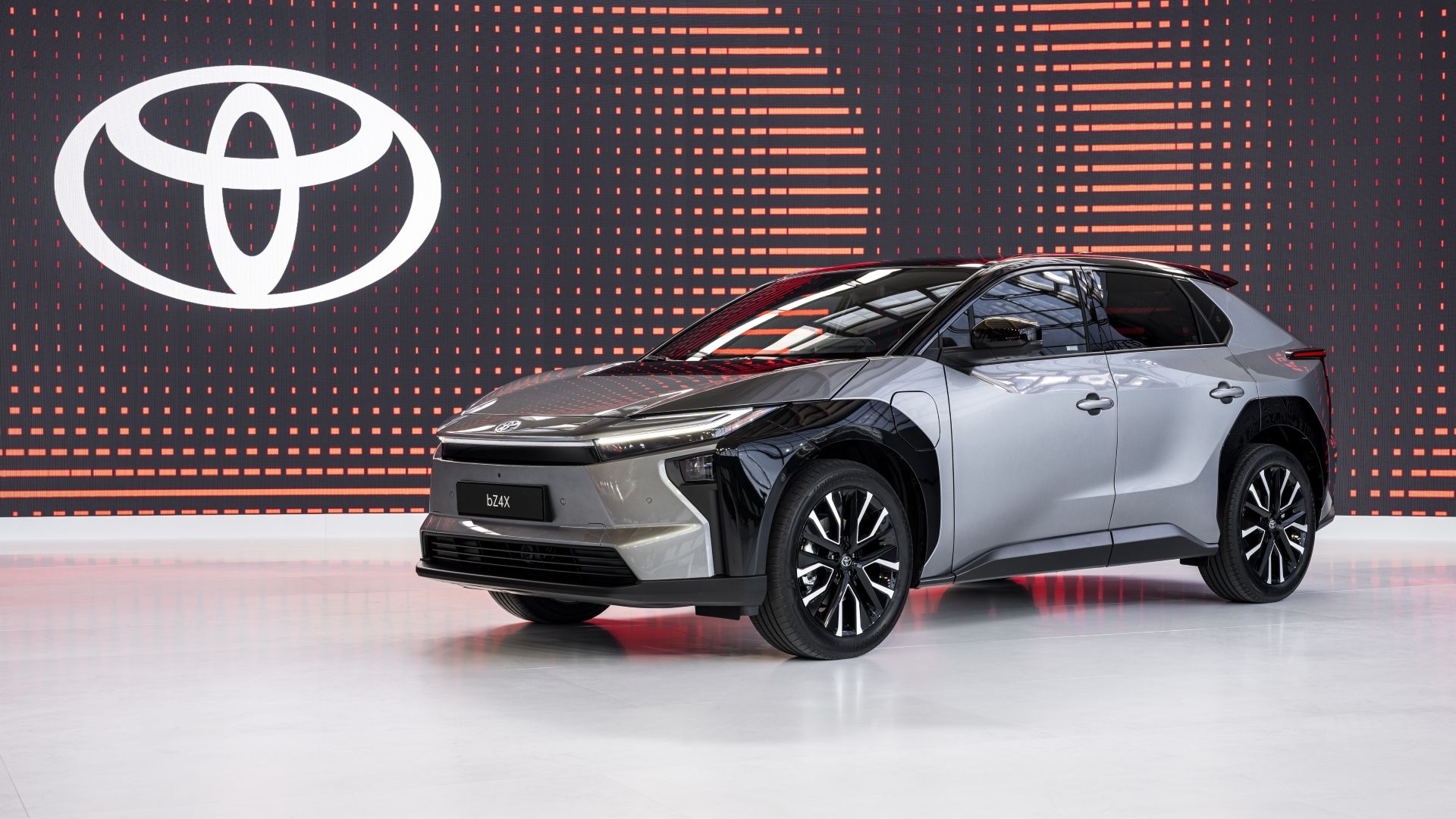
Battery and electrification infrastructure: The facility will integrate dedicated lines for solid-state battery research and high-voltage battery assembly, in collaboration with Toyota’s Prime Planet Energy & Solutions division. This aligns with the bZ4X (Toyota’s global EV platform) and future hydrogen fuel cell applications.
Automated and modular assembly lines: Investments in AI-driven quality control, robotics, and flexible manufacturing systems will enable Cedar Park to pivot production between internal combustion engine (ICE) and electrified models with minimal downtime. For example, the Tundra assembly line has already incorporated modular tooling to facilitate future electrification.A 2024 facility upgrade includes a $500 million expansion to double the plant’s footprint by 2028, with a focus on autonomous materials handling (e.g., Toyota’s AI-powered forklifts) and closed-loop recycling systems for manufacturing waste.
Adaptation to Emerging Automotive Trends
Cedar Park’s expansion is closely tied to Toyota’s Woven City and Beyond Zero initiatives, ensuring alignment with three critical trends:
Toyota’s 2030 Vision prioritizes:
1. Electrification: 100% of Toyota’s global sales to be electrified (hybrid, plug-in hybrid, or battery electric) by 2030.
2. Autonomous Driving: Level 3 autonomy in select markets by 2025, with Cedar Park contributing to sensor and software validation.
3. Hydrogen and Fuel Cells: Scaling Mirai production and exploring hydrogen-powered commercial vehicles (e.g., Toyota’s Project Portal).
Key adaptations at Cedar Park include:
Electrification:
The facility will serve as a pilot hub for Toyota’s solid-state battery technology, with partnerships like Panasonic and QuantumScape to accelerate commercialization. Cedar Park’s battery lab will test next-gen cells under real-world conditions, targeting a 30% energy density improvement by 2027.
Charging infrastructure: Collaboration with Tesla’s North American Charging Network (NACN) to deploy megawatt fast chargers near Texas dealerships, with Cedar Park’s logistics supporting EV battery recycling via Redwood Materials.
Autonomous Vehicles (AVs):
Cedar Park’s Advanced Manufacturing Center (AMC) will validate Toyota’s Chauffeur (Level 4 autonomy) using digital twin simulations before real-world testing. The facility’s AI-driven predictive maintenance systems will extend to AV components, reducing downtime by 40%.
Sensor production: Expansion of LiDAR and radar module assembly, with a focus on Toyota’s "Guardian" safety suite for commercial vehicles.
Hydrogen Technology:
Cedar Park will support Toyota’s hydrogen ecosystem, including fuel cell stack assembly for SUV and pickup truck applications. The facility’s hydrogen refueling station (in partnership with Air Liquide) will serve as a testbed for green hydrogen production using renewable energy sources.
Projected Growth Trajectory: Cedar Park’s Decade-Long Expansion
Below is a text-based diagram illustrating Cedar Park’s projected growth phases, milestones, and technological pivots over the next decade:2024–2026: Foundation Phase
│
├── Hybrid Scaling (RAV4 Hybrid, Tacoma Hybrid)
├── $500M Facility Expansion (Automation, Battery Prep)
├── e-Power Production Ramp-Up (50% of RAV4 line)
│
2026–2028: Electrification Transition
│
├── bZ4X Platform Launch (First Toyota EV assembled in Texas)
├── Solid-State Battery Pilot (Panasonic/QuantumScape)
├── AV Sensor Validation (Chauffeur Level 3 Testing)
│
2028–2030: Autonomous & Hydrogen Integration
│
├── Hydrogen Fuel Cell Line (Commercial Vehicles)
├── Level 4 Autonomy Testing (Digital Twin + Real-World)
├── Closed-Loop Recycling Hub (Batteries, Metals)
│
2030–2035: Next-Gen Mobility Hub
│
├── Full EV Production (100% Electrified Models)
├── Toyota Woven City Partnership (Smart Factory Prototyping)
├── Global Supply Chain Node (NA/EU/Asia Logistics Hub) Key Milestones by Phase:
2026: First battery-electric Toyota (bZ4X) rolls off Cedar Park’s line.
2028: Hydrogen refueling station operational, supporting Project Portal testing.
2030: Autonomous delivery trucks (in collaboration with Waymo) validated at Cedar Park.
2035: Facility becomes a global prototype center for Toyota’s "Society 5.0" initiatives (AI, IoT, and mobility-as-a-service).
Cedar Park’s Role in Toyota’s Future Supply Chain
Cedar Park is evolving from a regional manufacturing hub to a strategic node in Toyota’s global supply chain, with three primary functions:1. North American Electrification Anchor:
Cedar Park will supply hybrid and EV components to Toyota’s Ontario (Canada) and Indiana (USA) plants, reducing reliance on Asian supply chains. The facility’s battery recycling partnership with Redwood Materials ensures a closed-loop system for critical minerals (lithium, cobalt, nickel).
Example: The RAV4 Hybrid produced in Cedar Park will export e-Power modules to Toyota’s UK plant for the RAV4 PHEV.2. Hydrogen and Fuel Cell Leadership:
As Toyota phases out internal combustion engines (ICE) by 2035, Cedar Park will become a primary assembly site for fuel cell systems, supplying commercial fleets (e.g., Toyota’s hydrogen-powered forklifts for warehouses).
Global Partnership: Collaboration with European and Japanese hydrogen infrastructure providers to create a transcontinental refueling network.3. Digital and Autonomous Supply Chain:
Cedar Park’s AI-driven logistics (e.g., Toyota’s "Toyota Production System 4.0") will optimize just-in-time delivery for AV components and EV batteries. The facility’s blockchain-enabled traceability will ensure ethical sourcing of raw materials.
Example: Tesla’s North American Gigafactory may source solid-state battery prototypes from Cedar Park’s lab, given Toyota’s $4.2 billion investment in solid-state R&D.
Potential Challenges and Mitigation Strategies
Despite its growth potential, Cedar Park faces operational, technological, and geopolitical challenges. Below are three critical risks and corresponding solutions:Toyota Cedar Park’s expansion must navigate supply chain volatility, workforce adaptation, and regulatory uncertainties. Proactive measures—such as diversified sourcing, Toyota Cedar Park exemplifies the fusion of tradition and innovation, where operational efficiency meets community impact. From its foundational years to future-proofing against electrification and automation, the facility remains a testament to Toyota’s visionary leadership. As it navigates emerging challenges, Cedar Park’s legacy continues to inspire—proving that a manufacturing giant can also be a catalyst for progress, sustainability, and workforce empowerment. |
|

Leave a Comment
Comments are moderated before appearing. The data you submit is processed according to the Privacy Policy of www.linuxunplugged.com.