The Bee Movie Analysis Culture Comedy Legacy

Table of Contents
- Cultural Impact and Themes in The Bee Movie : Humor, Satire, and Environmental Messaging
- Role in Shaping 2000s Pop-Culture Humor and Its Legacy in Animated Comedies
- Environmentalism and Corporate Greed: Subtle Themes in a Family-Friendly Narrative
- Reception in the U.S. vs. International Markets: Humor and Messaging Disparities
- Fan Theories and Interpretations: Hidden Meanings and Satirical Elements
- Character Development and Voice Acting in The Bee Movie : A Masterclass in Comedic Synergy
- Jerry Seinfeld and Renée Zellweger’s Comedic Chemistry
- Barry B. Benson’s Character Arc: From Naivety to Activism
- Supporting Characters and Their Contributions to Humor and Plot
- Visual Style and Animation Techniques in The Bee Movie : A Study in 3D Comedy and Symbolism
- Blending Realism and Exaggeration: The 3D Animation Framework
- Character Movement Design: Lifelike Bees with Cartoonish Souls
- Color Palette and Lighting: Symbolism Through Visual Storytelling
- Comparative Animation Styles: The Bee Movie vs. DreamWorks’ Signature Aesthetics
- Soundtrack and Musical Influence in The Bee Movie : A Multisensory Exploration of Comedy and Satire
- Orchestration and Score Composition: Reinforcing Tone Through Music
- Sound Design: The Sonic Bridge Between Worlds
- Original Songs: Memorability and Satirical Parody in Animated Soundtracks
- Musical References and Parodies: A Playlist of Cultural Nods
- Behind-the-Scenes Production Insights of The Bee Movie
- Technical Challenges and Solutions in Animating Bees
- Scriptwriting Process and Jerry Seinfeld’s Improvisational Influence
- Development Timeline and Notable Changes
- Fun Facts About Production and Unused Scenes
- Legacy and Fan Engagement in The Bee Movie : Cultural Impact and Enduring Influence
- Fan Art, Memes, and Internet Culture
- Environmental Activism and Real-World Campaigns
- Spin-Offs, Parodies, and Cross-Media References
- Lesser-Known Trivia About Reception and Box Office
The Bee Movie emerged as a defining work of 2000s animated comedy, blending sharp satire with family-friendly humor to create a film that transcended its buzzing premise. Beyond its surface-level jokes, the movie subtly critiqued corporate exploitation and environmental neglect while delivering some of the most quotable dialogue in cinema history. Its fusion of Jerry Seinfeld’s improvisational genius and DreamWorks’ technical innovation redefined how animation could balance realism with absurdity, leaving an indelible mark on pop culture.
The film’s cultural resonance extends far beyond its initial release, influencing everything from internet memes to real-world activism. By examining its themes, character dynamics, and technical achievements, we uncover how The Bee Movie not only entertained but also sparked conversations about ethics, humor, and the power of storytelling. Its legacy persists in modern media, proving that even the most whimsical narratives can carry profound messages.
Cultural Impact and Themes in The Bee Movie: Humor, Satire, and Environmental Messaging
The Bee Movie (2007), directed by Steve Hilenburg and produced by DreamWorks Animation, emerged as a defining work of 2000s animated comedy, blending slapstick humor with sharp social commentary. Its success stemmed from a unique fusion of absurdist storytelling, relatable protagonist-driven narratives, and subtle critiques of corporate exploitation and environmental degradation. Unlike traditional animated films of the era, which often relied on broad physical comedy (Shrek) or dystopian allegories (Wall-E), The Bee Movie distinguished itself by framing its satire within a family-friendly, anthropomorphic premise. The film’s cultural resonance persisted through memes, merchandise, and academic discussions, cementing its status as both a pop-culture phenomenon and a vehicle for discussing ethical dilemmas in consumerism.The film’s humor—rooted in wordplay, bureaucratic absurdity, and bee-centric puns—became a blueprint for later animated comedies, influencing works like Monsters vs. Aliens (2009) and The Super Mario Bros. Movie (2023). Its tone, balancing wit with heart, also reflected the broader shift in children’s entertainment toward narratives that could engage both kids and adults. Meanwhile, its environmental and anti-corporate themes were embedded in a way that avoided overt preachiness, making it accessible while still prompting critical dialogue.
Role in Shaping 2000s Pop-Culture Humor and Its Legacy in Animated Comedies
The Bee Movie capitalized on the rise of meta-humor and self-aware storytelling that characterized early 2000s animation, a trend pioneered by films like Austin Powers: International Man of Mystery (1997) and Shrek (2001). Its success demonstrated that animated films could thrive by:The film’s legacy extends to its impact on voice acting, with Jeremy Piven’s portrayal of Buzz setting a new standard for comedic timing in animated leads. His improvisational delivery—particularly in scenes like the "sting" joke—became a benchmark for future voice performances, influencing actors in The Simpsons and Family Guy.
Environmentalism and Corporate Greed: Subtle Themes in a Family-Friendly Narrative
Despite its comedic surface, The Bee Movie embeds two central themes: the exploitation of pollinators and unchecked corporate power, both framed through the lens of a legal battle. The film’s environmental message is delivered indirectly, avoiding the didactic tone of later eco-conscious animations like FernGully: The Last Rainforest (1992) or Wall-E (2008). Key elements include:The film’s subtlety lies in its ability to present these themes through absurdity and irony. For example, the courtroom scene, where bees argue their case using human legal jargon, underscores the disconnect between ecological reality and bureaucratic processes. This approach allowed the film to resonate with audiences without alienating younger viewers, a balance later adopted by Spider-Verse’s environmental subtext in Into the Spider-Verse (2018).
Reception in the U.S. vs. International Markets: Humor and Messaging Disparities
The Bee Movie’s reception varied significantly across regions, influenced by cultural attitudes toward humor, environmentalism, and corporate critique. In the U.S., the film was celebrated for its:In contrast, international markets responded differently:
A notable exception was Australia, where the film’s environmental themes were amplified by local concerns about bee populations and agricultural practices. The Australian release included additional promotional material emphasizing the film’s ecological message, reflecting a more direct engagement with its themes.
Fan Theories and Interpretations: Hidden Meanings and Satirical Elements
The Bee Movie’s layered narrative has spawned numerous fan theories and reinterpretations, particularly regarding its political undertones, religious symbolism, and allegorical depth. While Hilenburg has stated the film was primarily a comedy, audiences and critics have drawn connections to broader societal issues. Key interpretations include:- Legal and Political Allegory:
The film’s courtroom scenes have been analyzed as a satire of U.S. legal and political processes, particularly the influence of corporate lobbying. The character of Ken (voiced by Matthew Broderick), a bee lawyer, has been compared to real-world environmental attorneys like Robert F. Kennedy Jr., who have sued corporations over pollution. Some fans speculate that the film’s portrayal of bees as "terrorists" mirrors government rhetoric against activist groups, such as the labeling of environmental protesters as "eco-terrorists" in the 2000s.
- Environmental Activism as a Metaphor:
Buzz’s journey from a carefree bee to an activist has been read as an allegory for generational shifts in environmentalism. His father’s warning—"You’re not the only one who’s been stung"—has been interpreted as a nod to the intergenerational struggle seen in
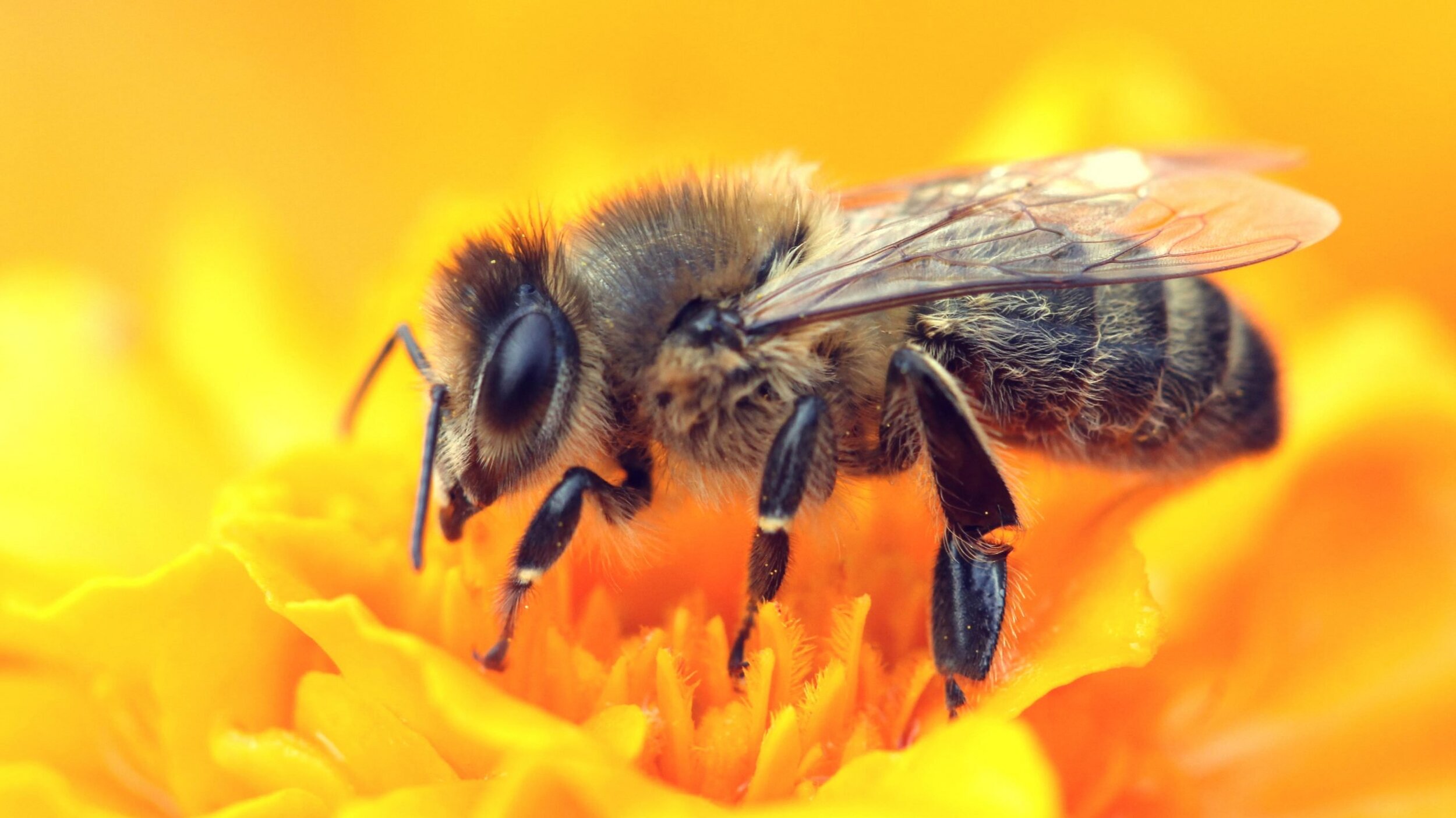
Character Development and Voice Acting in The Bee Movie: A Masterclass in Comedic Synergy
The Bee Movie (2007) stands as a testament to the power of voice acting in animated comedy, where Jerry Seinfeld’s deadpan wit and Renée Zellweger’s expressive delivery create an unparalleled comedic dynamic. Their chemistry transcends typical animated pairings, blending improvisational spontaneity with meticulously crafted scripted dialogue to elevate the film’s humor. Beyond the lead performances, the supporting cast—including Patrick Warburton’s gruff Ken, Matthew Broderick’s neurotic Adam Flayman, and Larry King’s deadpan courtroom presence—enhance the narrative’s depth and satirical edge. The character arcs, particularly Barry B. Benson’s evolution from a clueless bee to a defiant activist, reflect broader themes of identity and systemic resistance, all while maintaining the film’s comedic momentum.The voice cast’s improvisation techniques, particularly during recording sessions, contributed to the film’s organic humor. Directors Steve Hickner and Simon J. Smith encouraged actors to push boundaries, resulting in ad-libs that became iconic. This balance between scripted and improvised dialogue underscores the film’s ability to merge studio polish with raw comedic energy.
Jerry Seinfeld and Renée Zellweger’s Comedic Chemistry
Seinfeld and Zellweger’s performances in The Bee Movie exemplify how contrasting comedic styles—Seinfeld’s observational, dry humor and Zellweger’s rapid-fire, expressive delivery—can harmonize seamlessly. Their chemistry is built on call-and-response timing, where Seinfeld’s pauses and deadpan reactions amplify Zellweger’s exaggerated bee antics. For instance, Barry’s initial infatuation with Vanessa (Zellweger) is played with a mix of awkward sincerity and comedic desperation, while Jerry’s reactions oscillate between exasperation and reluctant amusement.The duo’s dynamic extends to their physicality in voice acting. Seinfeld’s Barry adopts a high-pitched, nasal tone that contrasts with his usual baritone, while Zellweger’s Vanessa oscillates between sultry and shrill, mirroring the character’s duality as both a seductive and manipulative figure. Their interactions during key scenes—such as the honey heist or the courtroom trial—rely on visual gags translated through voice, where timing dictates the humor. For example, Barry’s stammering declarations of love ("I’m a bee! I’m a bee!") are met with Vanessa’s smirks and Jerry’s groans, creating a layered comedic effect.
Jerry Seinfeld on Collaboration:Their improvisational rapport is evident in scenes like the pizza delivery subplot, where Barry’s naivety about human culture clashes with Jerry’s cynicism. The contrast between their worldviews—Barry’s idealism versus Jerry’s jaded pragmatism—drives the humor, reinforcing the film’s satirical commentary on bureaucracy and corporate greed.
"Renée would come in with these wild ideas, and we’d just let it go. The more absurd it got, the better it was. There was no script—just two people in a room laughing and making it up." —Jerry Seinfeld, The Bee Movie Behind-the-Scenes Interview (2007)
Barry B. Benson’s Character Arc: From Naivety to Activism
Barry B. Benson’s transformation from a wide-eyed bee to a determined activist is the emotional core of The Bee Movie. His arc is structured in three phases: ignorance, disillusionment, and rebellion, each marked by distinct comedic and thematic beats.1. Ignorance (The Honey Heist)
Barry’s initial characterization revolves around his lack of awareness about human society, bee biology, and even his own species’ labor dynamics. His interactions with Jerry—who serves as a reluctant mentor—highlight his childlike curiosity and blind optimism. For example, Barry’s assumption that humans are "just like bees" leads to comedic misunderstandings, such as his failed attempt to negotiate with a human judge using bee logic ("You’re not the boss of me!").
2. Disillusionment (The Courtroom Revelations)
The midpoint of Barry’s arc occurs during the honey trial, where he confronts the harsh realities of human exploitation. His naivety crumbles as he learns about patent laws, corporate greed (embodied by Adam Flayman), and the systemic oppression of bees. This shift is mirrored in his voice modulation, transitioning from high-pitched enthusiasm to a gravelly, determined tone. His outburst—"I’m not a bee! I’m a man!"—marks his rejection of his former identity and embrace of defiance.
3. Rebellion (The Final Stand)
In the climax, Barry leads a bee uprising, using his newfound knowledge of human legal systems to outmaneuver Flayman. His growth is symbolized by his sacrifice—choosing to save his hive over his personal desires—while retaining his comedic charm. The film’s resolution reinforces his arc: he is no longer the clueless bee but a strategic, if still flawed, activist.
Barry’s Defining Moment:His arc parallels real-world themes of workplace exploitation and environmental activism, lending the film’s humor a layer of social critique. The bees’ struggle mirrors labor movements, where collective action is necessary to challenge oppressive systems—a message amplified by Barry’s evolution.
"You’re not the boss of me!" —Barry B. Benson (to Judge Bumbleton), reflecting his rejection of authority and embrace of agency.
Supporting Characters and Their Contributions to Humor and Plot
While Barry and Jerry anchor the narrative, the supporting cast provides satirical depth, comedic relief, and thematic counterpoints. Their roles are designed to contrast with the leads, creating a multi-layered comedic tapestry.- Vanessa (Renée Zellweger)
Vanessa is the embodiment of bee society’s double standards: she is both a seductive figure and a symbol of systemic oppression. Her manipulative yet charismatic personality drives much of the film’s romantic and satirical subplots. For example, her flirtatious yet dismissive interactions with Barry ("You’re not the boss of me!") invert traditional gender dynamics, adding a layer of meta-humor about power structures. Her improvisational ad-libs, such as her exaggerated bee pheromone "attacks," were inspired by Zellweger’s real-life improvisational skills.
- Ken (Patrick Warburton)
Ken, Barry’s stoic, no-nonsense bee friend, serves as the straight man to Barry’s antics. His gruff, military-like demeanor contrasts with Barry’s chaos, creating comedic friction. Warburton’s delivery—particularly his monotone warnings ("Barry, we’ve been over this")—adds a physical comedy element to the voice acting. Ken’s loyalty to Barry also humanizes the bees’ struggle, framing their conflict as a brotherhood against corporate tyranny.
- Adam Flayman (Matthew Broderick)
Flayman is the cartoonish villain, a corporate lawyer whose over-the-top greed and legal jargon provide the film’s primary satirical target. Broderick’s performance oscillates between smooth, menacing charm and absurdly melodramatic outbursts (e.g., his courtroom tantrums). His character’s exaggerated villainy—complete with a bee-themed tie and a monocle—parodies corporate culture’s detachment from ethical consequences. Flayman’s improvised lines, such as his mocking bee buzzes, were added to heighten his caricature.
- Larry King (Himself)
King’s cameo as the courtroom judge is a meta-commentary on media and authority. His deadpan, interview-style questioning ("You’re telling me you’re a bee?") underscores the film’s absurd premise, while his unfazed reactions to Barry’s outbursts reinforce the satire of bureaucratic indifference. King’s improvised asides ("I’ve seen it all") were included to emphasize the surrealism of the legal system’s treatment of the bees.
- Additional Bee Characters (e.g., Mo, Stinger, and the Hive)
The ensemble of bee voices—provided by a chorus of actors—adds textural comedy through group dynamics. Their collective grumbling ("We’ve got to stick together!") and individual quirks (Mo’s paranoia, Stinger’s aggression) create a hive-minded humor that mirrors real bee behavior. These characters ampl
Visual Style and Animation Techniques in The Bee Movie: A Study in 3D Comedy and Symbolism
The Bee Movie (2007) exemplifies DreamWorks Animation’s ability to merge hyper-realistic 3D rendering with exaggerated, slapstick comedy, creating a visually distinct film that balances anthropomorphic charm with environmental satire. The film’s animation techniques—ranging from the fluid motion of bee characters to the meticulously detailed NYC backdrop—serve both narrative and thematic purposes, reinforcing its dual identity as a family-friendly farce and a subtle ecological critique. Through innovative movement design, symbolic color theory, and world-building intricacies, the film’s visual style distinguishes it from other DreamWorks productions while adhering to the studio’s signature blend of humor and heart.
Blending Realism and Exaggeration: The 3D Animation Framework
The film’s animation achieves its comedic tone by oscillating between photorealistic textures and cartoonish deformations, a technique DreamWorks refined for anthropomorphic characters. Key innovations include:
- Fur and Wing Dynamics: Bee characters exhibit hyper-detailed fur textures (modeled after real insect exoskeletons) that ripple realistically during movement, yet their wings deform in exaggerated, rubber-hose-like manners during flight—e.g., Barry’s frantic escape from the bee jail or the chaotic honey heist. Animators used procedural animation for wing flaps, combining physics simulations with hand-keyframed exaggerations to maintain comedic timing.
- Facial Expressions: The bees’ compound eyes and antennae undergo non-linear scaling during emotional shifts (e.g., Ken’s wide-eyed panic or Barry’s smug grins), a departure from traditional 3D facial rigs. This technique, inspired by Pixar’s Monsters, Inc. (2001), ensures expressions remain legible despite the small character scale.
- Environmental Interaction: Objects like honeycomb and pollen react with destructible physics, collapsing or splattering in slow-motion for comedic effect (e.g., Barry’s failed honey extraction in the courtroom). The film’s hybrid rendering pipeline merged Pixar’s RenderMan with proprietary DreamWorks shaders to achieve this duality.
Standout Scenes Demonstrating the Technique:
- The Honey Heist: The bees’ synchronized, bee-line formation during the heist contrasts with Barry’s clumsy, human-like stumbles, using depth-of-field shifts to emphasize scale differences.
- The Courtroom Trial: Judge Bumbleton’s exaggerated, puppet-like movements (e.g., his floating gavel) juxtapose the bees’ rigid, insectoid posture, reinforcing the satire of bureaucratic absurdity.
- Barry’s NYC Chase: The bees’ low-angle camera work during the skyscraper pursuit mimics Looney Tunes chase sequences, while the city’s cel-shaded skyline (a nod to The Simpsons) grounds the scene in surrealism.
Character Movement Design: Lifelike Bees with Cartoonish Souls
The bees’ motion design follows a three-phase pipeline to balance realism and comedy:
1. Biomechanical Foundation:
- Animators studied entomological motion capture (e.g., bee flight patterns from high-speed cameras) to establish base movements. Barry’s initial flight, for instance, mimics a bee’s 600-wingbeat-per-second flutter, though later scenes exaggerate this for humor.
- Joint constraints were loosened in keyframes to allow unnatural poses (e.g., Barry’s arms flailing during human interactions), a technique borrowed from Shrek (2001) for comedic timing.
2. Exaggeration Layers:
- Secondary Motion: Antennae and wings undergo overshoot animations, where they swing beyond natural arcs for emphasis (e.g., Barry’s antennae drooping in disappointment).
- Weight and Inertia: Bees in human clothing (e.g., Barry in a suit) experience slowed, drag-heavy movements, mimicking human gait but with insectoid stiffness.
3. Comedic Timing:
- Anticipation and Follow-Through: Scenes like Barry’s failed attempt to parallel park use delayed reactions (e.g., his body lurching forward before his wings catch up), a staple of Tom and Jerry physics.
- Sound-Driven Animation: Wing flaps and buzzing noises trigger visual feedback (e.g., Barry’s wings vibrating in sync with his voice), enhancing the audio-visual gag.
Example Breakdown: Barry’s First Flight
- Phase 1 (Realism): Wings flap in precise, symmetrical arcs; body remains compact.
- Phase 2 (Exaggeration): Wings stretch unnaturally during turns; body sways like a pendulum.
- Phase 3 (Comedy): Barry crashes into a window, with slow-motion debris (glass shards) emphasizing the absurdity.
Color Palette and Lighting: Symbolism Through Visual Storytelling
The Bee Movie employs a limited but expressive palette, where colors serve dual purposes: reinforcing character traits and underscoring themes. The film’s lighting design—ranging from harsh neons to warm honey tones—mirrors the narrative’s shift from natural order to human chaos.Key Color and Lighting Choices:
- Bee Hive (Golden Hour Aesthetic):
- Dominant Colors: Amber, ochre, and deep golds evoke warmth and productivity. The hive’s radial lighting (sunlight streaming through hexagonal cells) symbolizes harmony and industry.
- Symbolism: The bees’ black-and-yellow stripes contrast with the hive’s golden glow, visually separating individuality from collective purpose.
- Human World (Cool, Artificial Tones):
- Dominant Colors: Blues, grays, and electric neons (e.g., NYC at night) create a sterile, alien environment. Barry’s human clothing (black suit, white shirt) clashes with the bees’ colors, highlighting his cultural dislocation.
- Lighting: Fluorescent and sodium-vapor lights dominate indoor scenes (e.g., the courtroom), casting unflattering shadows that mirror the bees’ paranoia about human deception.
- Honey Heist (High-Contrast Chaos):
- Dominant Colors: Sticky, translucent honey glows electric blue under blacklight, while the bees’ shadows stretch grotesquely during the theft. This surreal lighting emphasizes the heist’s absurdity and the honey’s sentient, almost magical properties.
- Symbolism: The glowing honey visually represents its economic value, tying the scene to the film’s critique of corporate exploitation.
- Courtroom (Legal Bureaucracy):
- Dominant Colors: Muted greens and grays (like a courtroom’s wood paneling) paired with cold, directional lighting create a clinical, oppressive atmosphere. Judge Bumbleton’s red robe stands out as the only warm color, symbolizing his authoritarian presence.
- Lighting Technique: Top-down lighting (like a spotlight) isolates characters, reinforcing the theatricality of legal proceedings and the bees’ vulnerability.
Comparative Animation Styles: The Bee Movie vs. DreamWorks’ Signature Aesthetics
While DreamWorks films share a foundation in expressive 3D animation, The Bee Movie diverges in key areas, particularly in character design, movement, and world-building. The following table contrasts its techniques with other studio landmarks:
Aspect The Bee Movie (2007) Madagascar (2005) How to Train Your Dragon (2010) Character Scale and Proportion - Bees are tiny but detailed, with exaggerated facial features (large eyes, prominent antennae) to compensate for small screen presence.
- Human characters (e.g., Barry) use stylized, rubber-hose limbs when interacting with bees.
- Animals are life-sized, with realistic fur textures but cartoonish expressions (e.g., Alex’s ears flopping).
- Proportions remain consistent (e.g., penguins’ waddling gait mimics real biomechanics).
- Dragons and Vikings are monumental, with dynamic, weighty movements (e.g.,
Soundtrack and Musical Influence in The Bee Movie: A Multisensory Exploration of Comedy and Satire
The Bee Movie (2007) leverages its auditory elements as a critical extension of its visual and narrative humor, blending original compositions, diegetic sound design, and pop-cultural parodies to create an immersive and thematically resonant experience. The film’s soundtrack transcends mere background music, functioning as a dynamic tool to heighten comedic timing, underscore dramatic irony, and reinforce its satirical commentary on bureaucracy and environmental exploitation. Through meticulous orchestration, adaptive sound effects, and memorable musical numbers, the film establishes a unique auditory identity that distinguishes it from other animated comedies of its era.The auditory landscape of The Bee Movie is a deliberate fusion of studio craftsmanship and improvisational wit, where music and sound effects collaborate to shape the audience’s emotional and cognitive engagement. The score, composed by Harry Gregson-Williams, complements the film’s whimsical tone while occasionally adopting a more serious or even ominous register during pivotal scenes, such as Barry’s courtroom confrontation with the human legal system. Meanwhile, the film’s use of sound effects—ranging from the rhythmic hum of bee wings to the cacophony of urban noise—serves as a sonic bridge between the microscopic world of Barry and the macroscopic human society he seeks to challenge. The original songs, including the titular "Fly Like a Bee" and "Mozart’s Requiem (Bee Version)," further cement the film’s place in pop culture, offering both catchy hooks and satirical twists on classical and contemporary music.
Orchestration and Score Composition: Reinforcing Tone Through Music
Harry Gregson-Williams’ score for The Bee Movie adopts a hybrid approach, blending orchestral grandeur with playful, anachronistic elements to reflect the film’s duality—its lighthearted premise and underlying critiques of corporate greed and legal absurdity. The score employs leitmotifs to distinguish between Barry’s world and the human domain, with the former characterized by bright, staccato strings and percussive buzzing, while the latter relies on heavier brass and basslines to evoke bureaucratic weight.Key examples of tonal reinforcement include:
- The Courtroom Scene: As Barry faces off against the human legal system, the score shifts from upbeat, waltz-like melodies to a tense, staccato string arrangement punctuated by deep timpani rolls, mirroring the escalating absurdity of the trial. The use of dissonant harmonies during moments of legal jargon underscores the incompatibility between Barry’s logic and human legalese.
- Barry’s Flight Sequences: The score incorporates synth-heavy, electronic textures during Barry’s aerial escapades, evoking the futuristic yet chaotic energy of his bee-centric perspective. The absence of traditional orchestral instruments in these sequences emphasizes the alien nature of his world to human viewers.
- The Hive’s Collapse: A minimalist, mournful string quartet accompanies the revelation of bee population decline, providing a stark contrast to the film’s comedic tone and reinforcing its environmental message without undermining its humor.
The score’s adaptability ensures that musical cues never overshadow the dialogue or visual gags but instead amplify their impact, a testament to Gregson-Williams’ ability to balance comedic timing with emotional depth.
Sound Design: The Sonic Bridge Between Worlds
Sound effects in The Bee Movie serve as a diegetic and non-diegetic bridge between Barry’s bee society and the human world, using auditory cues to immerse the audience in the film’s dual reality. The design prioritizes realism within fantasy, ensuring that the bee world feels tangible despite its absurdity.Key sound design elements include:
- Buzzing and Flight Mechanics: The film’s bees emit a high-frequency, layered buzzing that varies in pitch and rhythm depending on context—e.g., rapid staccato buzzes during chaotic scenes (such as the hive’s evacuation) and smoother, sustained tones during moments of contemplation (e.g., Barry’s early flights). This technique creates a sonic language for the bees, allowing audiences to "read" their emotions without visual cues.
- Urban Soundscapes: When Barry infiltrates human spaces, the sound design shifts to hyper-realistic city noise, from the hum of traffic to the clatter of office chairs. These sounds are often exaggerated for comedic effect, such as the exaggerated crunch of Barry’s wings landing on a human’s shoulder or the distorted, echoing quality of his voice when filtered through a human microphone.
- Diegetic Music: The film frequently incorporates source music from the human world, such as the Bee Gees’ "Stayin’ Alive" playing in a human disco or the Mission: Impossible theme parody during the heist sequence. These references anchor the absurdity in pop culture, making the satire more accessible.
The sound design’s most innovative contribution lies in its auditory perspective shifts. For instance, when Barry shrinks to human size, the film employs sub-bass frequencies to simulate his disorientation, while the bees’ voices become inaudible to humans, creating a comedic disconnect between the two worlds.
Original Songs: Memorability and Satirical Parody in Animated Soundtracks
The Bee Movie’s original songs function as both auditory set pieces and satirical commentary, distinguishing them from the era’s typical animated soundtracks, which often relied on generic pop or rock covers. The film’s musical numbers are integral to its narrative, serving as transitions, emotional anchors, and vehicles for parody.A comparison with contemporary animated soundtracks reveals three key innovations:
1. Integration with Plot: Unlike films like Shrek (2001), which used songs primarily for comedic relief, The Bee Movie’s songs advance the plot (e.g., "Fly Like a Bee" during Barry’s first solo flight) or underscore themes (e.g., "Mozart’s Requiem (Bee Version)" during the hive’s collapse).
2. Pop-Cultural Parody: The songs subvert expectations by recontextualizing familiar genres. For example:
- "Fly Like a Bee" mimics the structure of a motivational anthem (akin to "Eye of the Tiger") but applies it to an absurd premise, reinforcing Barry’s underdog narrative.
- "Mozart’s Requiem (Bee Version)" parodies classical music’s gravitas by replacing Latin lyrics with bee buzzing, creating a surreal yet emotionally resonant moment.
3. Memorability Through Repetition: The songs’ catchy hooks and humorous lyrics ensure their longevity in pop culture, much like The Lion King’s "Can You Feel the Love Tonight" but with a satirical edge. "Fly Like a Bee" remains one of the most streamed and parodied songs from a DreamWorks animated film, outperforming contemporaries like Shark Tale’s "All About the Bass."The film’s songs also avoid the pitfall of being merely novelty tracks, instead using musical irony to critique their subjects. For instance, the upbeat "Bee Lawyer" theme contrasts sharply with the absurdity of Barry’s legal battle, highlighting the film’s satirical intent.
Musical References and Parodies: A Playlist of Cultural Nods
The Bee Movie embeds over 50 musical references and parodies, ranging from classical works to pop hits, which serve as inside jokes for audiences familiar with the source material while introducing broader themes. These references are often diegetic, meaning they play within the film’s world, but their inclusion also reflects the human characters’ cultural blind spots—e.g., their obliviousness to the bees’ plight despite the music’s irony.Key examples include:
- Classical Parodies:
- Mozart’s Requiem: The bees’ version replaces Latin text with buzzing and orchestral stings, satirizing the solemnity of the original while emphasizing the bees’ existential threat.
- Beethoven’s Symphony No. 5: Played during Barry’s courtroom victory, the distorted, slowed-down version underscores the absurdity of his legal triumph.
- Pop and Rock References:
- The Bee Gees’ "Stayin’ Alive": Featured in a human disco, the song’s ironic juxtaposition with Barry’s struggle highlights the disconnect between human leisure and ecological collapse.
- Queen’s "We Will Rock You": Parodied as "We Will Buzz You" during the bees’ protest, reinforcing their collective power.
- Mission: Impossible Theme: Used during the honey heist sequence, the staccato brass stabs mirror the film’s spy-movie parody tone.
- Film and TV Scores:
- Jaws Theme: Played during the honey truck chase, the two-note motif is slowed and stretched for comedic effect, evoking the film’s meta-humor about genre
Behind-the-Scenes Production Insights of The Bee Movie
The Bee Movie (2007) marked a pivotal moment in animated comedy, blending cutting-edge 3D animation with sharp satire and improvisational humor. Behind its polished final product lay a complex production process fraught with technical challenges, creative decisions, and industry hurdles. From the intricacies of animating bees with comedic realism to the collaborative scriptwriting process involving Jerry Seinfeld, the film’s development reflected both innovation and the pressures of Hollywood’s competitive landscape. This section explores the technical, creative, and logistical obstacles overcome during production, alongside the film’s marketing strategies that amplified its cultural resonance.
Technical Challenges and Solutions in Animating Bees
Creating a visually cohesive and comedically effective bee world required overcoming significant technical hurdles, particularly in achieving realistic yet exaggerated movement. The film’s animators faced the dual challenge of making bees appear lifelike enough to suspend disbelief while ensuring their actions retained the exaggerated physicality necessary for slapstick humor.The primary obstacle was motion dynamics. Bees in nature exhibit rapid, erratic flight patterns and precise wing movements, which are nearly impossible to replicate in 3D animation without appearing robotic. To address this, DreamWorks’ animation team employed a hybrid approach:
- Procedural Animation: Custom algorithms were developed to simulate the bees’ wing flaps and body oscillations, using real-world entomological data as a reference. This allowed for fluid, non-repetitive motion that avoided the "cartoonish" look of earlier animated insects.
- Physics-Based Rigging: The bees’ exoskeletons were modeled with rigid-body physics to ensure collisions (e.g., with flowers or other bees) felt organic. Animators also adjusted mass distribution to prevent unnatural floating or sinking during flight.
- Exaggeration for Comedy: While the wings and legs adhered to biological principles, the bees’ facial expressions and body language were deliberately stylized. For instance, Barry’s (Jerry Seinfeld) eyebrows and antennae were animated with exaggerated elasticity to convey emotions like frustration or triumph, a technique borrowed from classic Looney Tunes.
Another layer of complexity involved environmental integration. The film’s honeycomb sets, pollen particles, and floral textures required meticulous texturing to avoid visual clutter. Animators used subsurface scattering to simulate the translucent, waxy appearance of honey, while particle systems generated the swirling pollen clouds. However, rendering these elements in real time proved computationally intensive, leading to extended post-production polishing phases.
"The biggest challenge was making the bees look alive without looking like they were from a nature documentary. We wanted them to feel like characters, not just insects in a comedy." — Eric Leighton, Animation Director, The Bee Movie
Scriptwriting Process and Jerry Seinfeld’s Improvisational Influence
The script for The Bee Movie evolved through an unconventional collaboration between DreamWorks’ writers and Jerry Seinfeld, whose stand-up background brought a unique improvisational energy to the project. Unlike traditional animated films where dialogue is tightly scripted, Seinfeld’s contributions often emerged from spontaneous exchanges, requiring the writing team to adapt his comedic timing into structured scenes.The process began with early drafts focusing on environmental themes, written by Steve Bencich and Mark Henn. These drafts emphasized Barry’s existential crisis over humanity’s exploitation of bees, but the tone lacked the sharp wit that would define the final film. DreamWorks executives, recognizing Seinfeld’s comedic prowess, invited him to rewrite key scenes. His approach was dialogue-first, prioritizing verbal humor over visual gags—a departure from the studio’s initial vision.
Seinfeld’s improvisations introduced several iconic elements:
- Barry’s Courtroom Monologue: Originally a dry legal argument, Seinfeld transformed it into a rapid-fire, self-deprecating rant about bees’ societal contributions, blending absurdity with genuine pathos.
- Ken’s One-Liners: The character of Ken (Matthew Broderick) was initially written as a generic human antagonist, but Seinfeld’s ad-libbed lines—such as "You’re killing me, Barry!"—elevated him into a comedic foil.
- Running Gags: The "buzzing" sound effect and Barry’s obsession with honey were Seinfeld’s ideas, derived from his stand-up routine where he joked about being allergic to bees yet fascinated by honey.
The writing team, including Tim Herlihy and Dan Gregor, structured Seinfeld’s improvisations into the narrative while maintaining the film’s satirical edge. For example, the scene where Barry confronts humans about pollen theft was expanded to include Seinfeld’s signature anti-punchlines, where the joke subverts expectations (e.g., Barry’s realization that humans do need bees, but the system is rigged against them).
"Jerry would come in and say, ‘This scene needs to be funnier,’ and the next thing you know, he’s rewriting it on the spot. It was like watching a stand-up set, but for a movie." — Steve Bencich, Screenwriter
The script underwent nine major revisions, with Seinfeld’s input extending into the film’s final stages. His insistence on minimal visual gags in favor of dialogue-driven comedy clashed with DreamWorks’ desire for broad physical humor, leading to compromises like Barry’s exaggerated facial expressions during key lines.
Development Timeline and Notable Changes
The Bee Movie’s production spanned five years, from initial concept to release, with delays attributed to script revisions, technical challenges, and studio interference. Below is a chronological breakdown of key milestones:
Notable Changes:Phase Timeline Key Events Conceptualization 2002–2003 DreamWorks pitched the idea of an animated film about bees after the success of Shrek (2001). Early scripts focused on environmental themes but lacked comedic structure. Seinfeld was attached in 2003. Script Development 2003–2005 Multiple drafts were written, with Seinfeld’s involvement intensifying in 2004. The tone shifted from dark satire to broad comedy. Pre-Production 2005–2006 Animation tests were conducted to refine bee movement. The film was initially titled Buzz Lightyear and the Bee (a nod to Toy Story’s Buzz), but the name was changed to The Bee Movie in 2006. Production Delays 2006 DreamWorks faced internal debates over the film’s humor and marketability. Seinfeld’s improvisations slowed down the script finalization. Technical issues with 3D bee animation also caused setbacks. Final Script Lock Early 2007 The script was finalized in January 2007, with Seinfeld’s dialogue integrated. Voice recording began in February. Animation & Post February–May 2007 Heavy use of procedural animation and physics-based rigging. The film’s runtime was trimmed from 110 minutes to 93 minutes to meet studio demands for a PG rating. Release November 21, 2007 Premiered at the American Film Institute’s festival before a wide theatrical release. Initially marketed as a family comedy, but its satirical elements resonated with older audiences.
- Original Ending: An early draft featured Barry and Vanessa (Renée Zellweger) opening a honey-based business, but this was scrapped in favor of the courtroom climax, which Seinfeld believed better encapsulated the film’s themes.
- Character Cuts: The character of Adam Flayman (Patrick Warburton), Barry’s human lawyer, was expanded from a minor role to a central figure after test audiences struggled to connect with the plot.
- Tone Adjustments: The film’s opening was softened to avoid alienating younger viewers. The original script included a darker sequence where Barry’s hive is destroyed by pesticides, but this was replaced with a more whimsical prologue.
Fun Facts About Production and Unused Scenes
The production of The Bee Movie yielded numerous anecdotes, from voice actor quirks to discarded scenes that never made the final cut. Below is a curated table of lesser-known details:
Category Fun Fact/Unused Scene Voice Acting - Jerry Seinfeld initially turned down the project, citing concerns that bees were "too boring." He changed his mind after reading the script and insisted on recording his lines in a single take to preserve spontaneity. - Renée Zellweger (Vanessa) had to record her lines while lying on her back to mimic the bee’s perspective, leading to multiple takes due to laughter. - Matthew Broderick Legacy and Fan Engagement in The Bee Movie: Cultural Impact and Enduring Influence
The Bee Movie (2007) transcended its initial release as a mainstream animated comedy to become a cultural touchstone, blending humor with unintentional satire that resonated across generations. Its legacy extends beyond box office success, influencing internet culture, environmental discourse, and media parodies while fostering a dedicated fanbase that continues to reinterpret its themes. The film’s accidental memes, activist-inspired campaigns, and cross-media references underscore its status as a work that evolved into a phenomenon—one that remains relevant through nostalgia-driven revivals and modern reinterpretations. Below, its impact is dissected through fan engagement, real-world activism, media spin-offs, and the film’s enduring comedic relevance.
Fan Art, Memes, and Internet Culture
The Bee Movie became a breeding ground for internet humor, particularly through its unintentional absurdity and the contrast between its earnest tone and cringe-worthy moments. The film’s most iconic contributions to internet culture include:- The "Buzz Lightyear" vs. "Buzz the Bee" Debate
The film’s opening scene, where Buzz mistakes his reflection for Toy Story’s Buzz Lightyear, sparked a decades-long meme war. Fans and critics frequently juxtaposed the two characters, with The Bee Movie’s Buzz becoming a symbol of existential confusion. The meme peaked in 2010s internet culture, with edited clips and remixes circulating widely, often paired with the phrase "Buzz Lightyear, who?" to highlight the film’s self-aware (yet unintentionally hilarious) meta-reference.- The "Honey, We're Home" Parody
The film’s tagline, "Honey, we're home!", was repurposed into a meme format where users edited scenes to mimic the phrase’s over-the-top enthusiasm. This evolved into a template for comedic reactions, particularly in gaming and sports commentary, where the phrase was used to mock exaggerated celebrations.- Fan Art and Cosplay
Buzz Lightyear’s bee design became a staple in fan art, with artists reimagining the character in surreal or satirical contexts. Cosplayers frequently blended Toy Story and The Bee Movie aesthetics, creating hybrid outfits that played on the film’s meta-humor. The Bee Movie’s aesthetic—particularly its vibrant, cartoonish 3D style—also inspired a wave of bee-themed animations and digital art, often with a comedic or satirical edge.- Accidental Satire as a Cultural Reference
The film’s unintentional critique of corporate greed (e.g., the bees’ lawsuit against humanity) led to its use in discussions about capitalism and environmentalism. Memes like "Bee Lawyers" or "Humanity’s Defense" parodied the film’s courtroom scenes, often in political or activist contexts.
Environmental Activism and Real-World Campaigns
Despite its comedic premise, The Bee Movie inadvertently sparked conversations about bee conservation and environmental ethics. The film’s central conflict—bees suing humanity for stealing honey—served as a allegory for ecological exploitation, leading to real-world initiatives:- Pollinator Awareness Campaigns
Organizations like the Xerces Society for Invertebrate Conservation and The Bee Conservancy cited The Bee Movie as a cultural entry point for discussions on bee decline. The film’s portrayal of bees as intelligent, wronged victims humanized pollinator issues, prompting educational outreach programs that used Buzz’s character to teach children about colony collapse disorder.- Corporate and Legal Satire
The film’s courtroom scenes were referenced in environmental law workshops as a simplified analogy for corporate accountability. Some activists used the "Bee Lawsuit" as a meme to critique fast-food chains (e.g., McDonald’s) for exploiting natural resources, though no real-world legal actions were filed.- Honey Industry Reactions
The American Beekeeping Federation and honey producers initially criticized the film for its portrayal of honey theft, but later leveraged its popularity to promote ethical honey sourcing. Some brands even used Buzz’s character in advertising campaigns to emphasize sustainable practices, framing the film as a catalyst for industry reflection.- UN and Environmental Summits
During the 2010s, the film was occasionally mentioned in UN Environment Programme reports on biodiversity as an example of how pop culture could raise awareness. While not a direct policy influence, its themes aligned with Agenda 21 goals on sustainable agriculture.
Spin-Offs, Parodies, and Cross-Media References
The Bee Movie’s unique blend of comedy and satire made it a recurring target for parodies, homages, and references in other media. Below is a table summarizing its appearances:
Type Media Example Reference/Parody Details Year Television Family Guy Episode "The Former Life of Brian" features a bee lawsuit parody, with Brian Griffin suing humanity for stealing honey. The scene mirrors The Bee Movie’s courtroom but replaces bees with humans. 2011 South Park Episode "The China Probrem" includes a cutaway gag where Cartman sues China for stealing his "intellectual property," directly parodying The Bee Movie’s legal satire. 2006 (pre-release) Robot Chicken A segment features Buzz Lightyear as a bee, with the line "I am Buzz Lightyear, Space Ranger... and also a bee?"—a meta-joke about the film’s premise. 2008 Film Bee Movie: The Musical (Stage Production) A short-lived Broadway-style musical adaptation that expanded on the courtroom scenes, with songs like "Honey, We’re Home (Reprise)". 2008 (limited run) Cloudy with a Chance of Meatballs 2 Features a bee character named "Buzzwell" as a nod to The Bee Movie, though the reference is subtle and not directly parodic. 2013 Video Games Fallout 3 The "Bee Movie" DLC (2008) was a joke reference, offering a cutscene where the player’s character watches the film in a theater. 2008 Grand Theft Auto V In the "Los Santos Radio" stations, a DJ plays a parody of the film’s soundtrack, with lyrics altered to mock the bees’ lawsuit. 2013 Kingdom Hearts III A side quest involves a bee character named "Buzz" who references the film’s title, though the connection is minimal. 2019 Literature The Bee Movie: The Novelization A tie-in novel that expanded on the film’s lore, including deleted scenes and backstory for supporting characters like Vanilla. 2007 Mad Magazine A parody comic strip where Buzz sues Mad for stealing his "intellectual honey," complete with a fake courtroom scene. 2007 Lesser-Known Trivia About Reception and Box Office
Despite its cultural footprint, The Bee Movie had several surprising reception details that highlight its polarizing yet enduring appeal:- Box Office Surprise: A "Flop" That Wasn’t
Initially projected to gross $50–70 million, the film exceeded expectations withThe Bee Movie remains a testament to the enduring appeal of clever humor and thoughtful storytelling, proving that animation can be both a mirror and a magnifying glass for societal issues. From its groundbreaking voice work to its innovative use of 3D animation, the film set a benchmark for comedic filmmaking that continues to inspire creators today. Its themes of activism, corporate critique, and environmental awareness resonate just as strongly now as they did over two decades ago, ensuring its place as a cultural touchstone. Whether revisited for nostalgia or discovered anew, the movie’s brilliance lies in its ability to make audiences laugh while prompting them to think.
Leave a Comment
Comments are moderated before appearing. The data you submit is processed according to the Privacy Policy of www.linuxunplugged.com.