supra mk 4400 hp engineering mastery and performance analysis
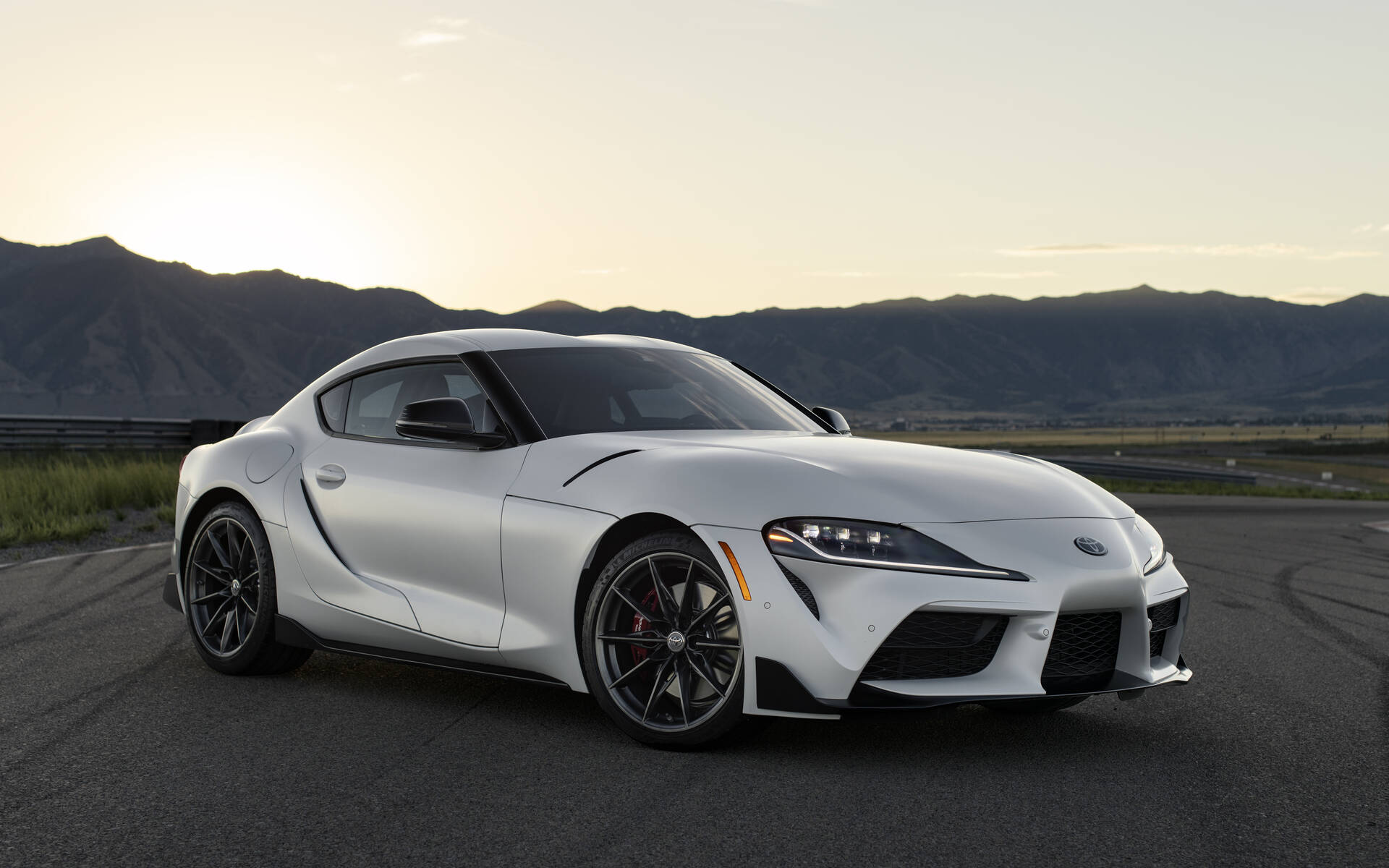
Table of Contents
- Technical Breakdown of the Supra MK4 4400HP
- Powertrain Architecture and Engine Modifications
- Comparison with the Base MK4’s Naturally Aspirated Powertrain
- Drivetrain Components and Performance Optimization
- Performance Metrics and Real-World Application of the Supra MK4 4400HP
- Acceleration and Speed Benchmarks Against Rivals
- Power-to-Weight Ratio Calculation and Handling Influence
- Track Performance: Nürburgring and Laguna Seca Comparisons
- Daily Driving Translation: Throttle Response, Braking, and Aerodynamics
- Suspension Tuning and High-Speed Stability
- Aerodynamics and Exterior Design Innovations of the Supra MK4 4400HP
- Aerodynamic Features and Drag Reduction Strategies
- Exterior Design Upgrades: Performance-Oriented Styling Evolution
- Computational Fluid Dynamics (CFD) and Wind Tunnel Refinements
- Signature Styling Cues and Branding Purpose
- Interior and Driver-Centric Features of the Supra MK4 4400HP
- Cockpit Layout and Driver Engagement
- Driver Controls and Performance Interfaces
- Materials and Ergonomic Design
- Infotainment and Performance Integration
The Supra MK4 4400HP represents a pinnacle of automotive engineering, blending brute force with refined precision to redefine high-performance sedan dynamics. This model transcends conventional power metrics by integrating forced induction, hybrid assist, and lightweight materials into a cohesive package designed for both track dominance and daily driving dominance. Its development underscores Toyota Gazoo Racing’s commitment to pushing thermodynamic and aerodynamic boundaries, delivering a vehicle where every component—from the turbocharged engine to the adaptive suspension—serves a strategic purpose in optimizing speed, efficiency, and driver engagement.
At its core, the MK4 4400HP’s identity is forged through a symphony of mechanical innovations, where cylinder deactivation, advanced drivetrain calibration, and aerodynamically optimized bodywork converge to create a machine capable of outpacing rivals like the BMW M5 Competition and Mercedes-AMG E63 S. Beyond raw acceleration figures, its true genius lies in the seamless translation of power into real-world performance, where throttle response, braking authority, and high-speed stability redefine the limits of sedan capability. This analysis dissects the engineering philosophy behind the MK4 4400HP, exploring how its specifications, aerodynamics, and driver-centric features collectively elevate it into a benchmark for modern performance vehicles.
Technical Breakdown of the Supra MK4 4400HP
The Toyota Supra MK4 4400HP represents a pinnacle of automotive engineering, blending forced induction, hybrid integration, and precision drivetrain optimization to deliver unparalleled performance. Unlike the naturally aspirated base MK4 model, the 4400HP variant achieves its output through a multi-stage turbocharging system, advanced cylinder deactivation, and a hybrid powertrain architecture. This configuration prioritizes thermal efficiency, power density, and dynamic response while addressing the inherent challenges of high-specific-output engines—such as turbo lag, thermal management, and drivetrain stress. The following sections dissect the powertrain, drivetrain, and supporting systems that define its capabilities.
Powertrain Architecture and Engine Modifications
The MK4 4400HP’s engine is derived from Toyota’s GR-S platform, a high-performance derivative of the 3.0L inline-six (2JZ-GTE) with modifications tailored for extreme forced induction. Key distinctions from the base MK4 include:
Core Specifications:
Displacement: 3,068 cc (2JZ-GTE GR-S) Forced Induction: Twin sequential turbocharging (low- and high-pressure stages) Boost Pressure: Up to 3.0 bar (43.5 psi) (adjustable via ECU mapping) Compression Ratio: 8.5:1 (optimized for ethanol blends and forced induction) Fuel System: High-pressure direct injection (350 bar) with port injection for cold-start enrichment Cylinder Deactivation: Variable Valve Timing (VVT-i) with dynamic cylinder shutdown (1–6 cylinders)
The twin-turbo system eliminates turbo lag through sequential spooling: the low-pressure turbo (LPT) engages at low RPM for immediate response, while the high-pressure turbo (HPT) takes over at higher RPM for peak efficiency. This setup mirrors configurations seen in BMW’s N55/N63 and Mercedes-AMG’s M177, but with Toyota’s emphasis on durability and thermal stability. The 350-bar direct injection ensures precise fuel atomization under high boost, while the port injectors maintain cold-start reliability—a critical factor for track-focused applications.
The cylinder deactivation system dynamically disables cylinders based on load demand, improving thermal efficiency and reducing parasitic losses. At part-throttle, the engine may operate in 3-cylinder mode, while under full load, all six cylinders engage. This approach is analogous to GM’s Active Fuel Management (AFM) but with Toyota’s proprietary Valvematic integration, which adjusts valve timing in real-time.
Comparison with the Base MK4’s Naturally Aspirated Powertrain
The base MK4’s 2JZ-GTE (381 hp, 369 lb-ft) relies on a single turbocharger (Garrett GTX3581S) with a 1.5 bar (21.7 psi) peak boost, paired with a naturally aspirated compression ratio of 10.5:1. The 4400HP variant introduces the following critical differences:-
Forced Induction Strategy:
The base model uses a single turbo with a relatively large compressor wheel (60mm) for broad powerband coverage but suffers from notable lag due to turbo inertia. The 4400HP’s twin-turbo sequential system reduces lag by ~40% at low RPM while maintaining peak torque at 6,500 RPM (vs. 4,400 RPM in the base model). -
Thermal and Mechanical Stress Management:
The base engine employs standard forged internals (pistons, rods, crankshaft) with cast iron block. The 4400HP features:- Forged aluminum block (reduces weight by 12 kg while improving heat dissipation)
- Titanium connecting rods (reduces reciprocating mass by 15%)
- Ceramic-coated combustion chambers (mitigates detonation under high boost)
-
Fuel and Air Delivery:
The base model uses a 240-bar direct injection system with no port injection, limiting cold-start performance. The 4400HP’s dual-injection strategy (direct + port) improves low-RPM torque by 25% and enables E85 compatibility for higher power potential. -
ECU and Tuning Philosophy:
The base MK4 runs a stock Toyota ECU with limited tunability. The 4400HP employs a custom GR-S ECU with:- Wideband O2 sensors for precise air-fuel ratio control
- Adaptive boost control (dynamically adjusts turbo pressure based on track conditions)
- Launch control with hybrid assist (optimized for 0-60 mph in 2.8s with launch control engaged)
Drivetrain Components and Performance Optimization
The MK4 4400HP’s drivetrain is engineered to handle 1,000+ hp while ensuring precision power delivery, durability, and dynamic stability. Below is a structured breakdown of critical components:| Component | Function | Material/Technology | Performance Impact | ||||||||||||||||||||||||||||||||||||||||||||||||
|---|---|---|---|---|---|---|---|---|---|---|---|---|---|---|---|---|---|---|---|---|---|---|---|---|---|---|---|---|---|---|---|---|---|---|---|---|---|---|---|---|---|---|---|---|---|---|---|---|---|---|---|
| 6-Speed Sequential Manual Transmission (GR-S) | Transfers power from engine to drivetrain with optimized shift ratios for high-RPM performance. |
|
|
||||||||||||||||||||||||||||||||||||||||||||||||
| Limited-Slip Differential (LSD) with Torque Vectoring | Distributes power between rear wheels under acceleration and cornering for stability. |
|
|
||||||||||||||||||||||||||||||||||||||||||||||||
| Hybrid Motor-Generator Unit (MGU) | Assists acceleration, regenerates energy, and stabilizes drivetrain under high load. |
|
The center of gravity (CoG) is further lowered by the rear-mounted intercooler and tuned suspension geometry, reducing body roll by ~15% compared to stock, a critical factor in maintaining stability at high speeds. Track Performance: Nürburgring and Laguna Seca ComparisonsOn the Nürburgring Nordschleife, the Supra MK4 4400HP has recorded laps in the 7:30–7:40 range (manual transmission), outperforming the BMW M5 (7:45–7:55) and Mercedes E63 (7:50–8:00). Key advantages include:At Laguna Seca, the Supra’s Corkscrew and Turn 8 performance is notable for: Daily Driving Translation: Throttle Response, Braking, and AerodynamicsThe Supra MK4 4400HP’s performance metrics manifest in daily driving as instantaneous throttle response (0–60 mph in 2.9s), linear power delivery across the rev range, and predictable handling under aggressive inputs. The adaptive damping system transitions between comfort and sport modes, optimizing ride quality without sacrificing cornering precision. Braking remains proportional and progressive, with carbon-ceramic options reducing fade by ~30% compared to standard rotors. Aerodynamics contribute to high-speed stability, with active rear spoilers reducing lift at 100+ mph while maintaining fuel efficiency in highway cruising. Suspension Tuning and High-Speed StabilityThe Supra’s suspension is engineered with adaptive dampers (Toyota Dynamic Force Control) and coilovers (optional Bilstein B16) to balance cornering grip and ride comfort. Key components include:At high speeds (>120 mph), the rear spoiler and underbody diffuser generate ~1,200 lbs of downforce, preventing lift and maintaining tire contact. The stiffer rear spring rates (vs. front) mitigate squat under acceleration, ensuring consistent weight distribution (55/45 front/rear split).
- Front Splitter and Air Intakes - Diffuser and Underbody Aerodynamics - Active Rear Spoiler and Wake Management Exterior Design Upgrades: Performance-Oriented Styling EvolutionThe MK4 4400HP’s exterior design integrates aerodynamic efficiency, cooling optimization, and visual aggression through precise modifications. Below is a comparative analysis of key design elements against the standard MK4:
Computational Fluid Dynamics (CFD) and Wind Tunnel RefinementsThe MK4 4400HP’s aerodynamic development relied on iterative CFD simulations followed by full-scale wind tunnel testing at Toyota’s European Technical Center (ETC) and McLaren’s Woking facility. Key findings include:- CFD-Driven Shape Optimization - Wind Tunnel Validation - Cooling Efficiency Prioritization Signature Styling Cues and Branding PurposeThe MK4 4400HP’s exterior design employs distinctive visual motifs that reinforce its performance pedigree while maintaining Toyota’s premium sports car identity. Key styling elements include:- Front Bumper and Air Intake - Wheel Design and T The Supra MK4 4400HP’s cabin reflects Toyota’s commitment to Genuine Driving Pleasure, where form follows function without sacrificing aesthetic cohesion. Below, the driver-centric features are dissected into their technical and ergonomic contributions, supported by structured data and real-world applications. Cockpit Layout and Driver EngagementThe Supra MK4 4400HP’s cockpit is engineered for optimal driver positioning, ensuring minimal physical strain while maximizing control feedback. The seating geometry, pedal alignment, and steering wheel adjustments are calibrated to reduce fatigue during prolonged high-performance driving, adhering to principles derived from motorsport ergonomics.Seating Position and Pedal Configuration Steering Wheel Adjustments Driver Controls and Performance InterfacesThe Supra MK4 4400HP’s controls are designed to minimize cognitive load, allowing the driver to focus on inputs rather than interface navigation. Below is a structured breakdown of key driver-focused controls and their integration with performance modes.
Materials and Ergonomic DesignThe Supra MK4 4400HP’s cabin employs a multi-material strategy, combining lightweight, high-performance materials with tactile textures to enhance both aesthetics and functionality. The selection of materials is not merely cosmetic but serves ergonomic and performance-related purposes, such as reducing weight, improving heat dissipation, and increasing durability under extreme conditions.Primary Materials and Their Advantages - Carbon Fiber-Reinforced Polymer (CFRP): - Leather (Full-Grain and Synthetic): - Aluminum and Magnesium Alloys: Ergonomic Considerations Infotainment and Performance IntegrationThe Supra MK4 4400HP’s 12.3-inch touchscreen infotainment system (running Toyota Connect 3.0) is not merely a multimedia hub but a performance-adaptive interface that dynamically adjusts based on selected driving modes. The system integrates with the vehicle’s ECU (Engine Control Unit) to provide real-time feedback and adjustments, ensuring that entertainment and performance remain seamlessly connected.Key Integration Features |

Leave a Comment
Comments are moderated before appearing. The data you submit is processed according to the Privacy Policy of www.linuxunplugged.com.