make my eyes roll back origins science and pop culture impact
Published

make my eyes roll back
Table of Contents

The phrase "make my eyes roll back" transcends its literal origins as a physiological response to become a potent cultural shorthand for overwhelming emotions—whether laughter, rage, or euphoria. Rooted in historical medical descriptions of seizures and fainting, its evolution mirrors shifts in how societies interpret extreme reactions, from 19th-century hysteria to modern meme culture. Neurological triggers, media depictions, and internet trends have transformed it into a universal signal of intensity, blending scientific curiosity with pop-culture satire.

From classical literature’s exaggerated emotional displays to anime’s dramatic transformations and TikTok’s viral challenges, the phrase now serves as a bridge between biology and behavior. Its adaptability—appearing in stand-up comedy, psychological case studies, and digital humor—highlights how language morphs to capture collective experiences. This exploration dissects its journey: from a medical curiosity to a meme, revealing how a simple physical act became a cultural phenomenon.

make my eyes roll back

Cultural and Linguistic Evolution of "Make My Eyes Roll Back": From Medical Phenomenon to Pop-Culture Metaphor

The phrase "make my eyes roll back" originates as a visceral description of physical reactions—ranging from seizures and fainting to overwhelming emotional responses—before morphing into a metaphor for extreme amusement, frustration, or sensory overload. Its linguistic journey reflects broader shifts in how societies interpret bodily reactions, from medical and religious contexts to modern digital communication. Regional dialects and media adaptations have further diversified its usage, embedding it in cultural narratives where exaggerated physicality symbolizes internal states. Below, the evolution is traced through historical contexts, linguistic parallels, and media influences, culminating in a flowchart of its transformation from a clinical observation to a ubiquitous pop-culture trope.

Historical Contexts and Regional Variations of the Expression

The phrase’s earliest iterations appear in 19th-century medical and religious texts, where "rolling eyes" described seizures, hysteria, or spiritual possession. In African American Vernacular English (AAVE), the expression emerged as "my eyes roll back in my head" by the early 20th century, often tied to reactions like laughter or shock. By the 1950s–1970s, it entered mainstream slang, particularly in Southern U.S. dialects, where "eyes rollin’ back" signaled extreme amusement or disbelief. Regional variations include:
  • UK/Commonwealth: "My eyes rolled so far back I saw my own spine" (1980s–1990s, often in comedy sketches).
  • Caribbean English: "That joke had me rollin’ my eyes clean out my head" (linked to exaggerated storytelling traditions).
  • Australian English: "She laughed so hard her eyes nearly rolled back" (used in humorous contexts).
  • The phrase’s persistence in oral traditions underscores its role in nonverbal communication, where physicality amplifies emotional intensity.

    Timeline of the Phrase’s Metaphorical Transformation

    The shift from literal to metaphorical usage can be segmented into five key eras, each reflecting societal changes in how bodily reactions were perceived:
    Era/Decade Literal Meaning Metaphorical Meaning Example Usage
    1800s–Early 1900s Seizures, fainting, or religious ecstasy (e.g., "The saint’s eyes rolled back in trance"). N/A (clinical/religious context).
    "Her eyes rolled back as the spirit took hold" (19th-century spiritualist accounts).
    1920s–1940s Physical reactions to laughter or shock (e.g., vaudeville acts). Exaggerated amusement ("That punchline had me rollin’!").
    "The comedian’s timing made the crowd’s eyes roll back like marbles" (1930s newspaper reviews).
    1950s–1970s Slang for extreme emotional responses (e.g., AAVE, blues music). Frustration or awe ("That test made my eyes roll back").
    "When she saw the bill, her eyes rolled back like she’d seen a ghost" (1960s soul music lyrics).
    1980s–2000s Media depictions of over-the-top reactions (e.g., anime, cartoons). Hyperbolic humor or shock ("This meme made my eyes roll back 360°").
    "The anime character’s scream had her eyes rolling back so far they popped out" (1990s fan culture).
    2010s–Present Digital communication shorthand (e.g., Twitter, TikTok). Sensory overload or viral amusement ("This video made my eyes roll back IRL").
    "When I saw the plot twist, my eyes literally rolled back in my head" (2020s internet slang).

    International Linguistic Parallels and Cultural Nuances

    Similar expressions in other languages often emphasize physical exaggeration to convey emotional extremes, though cultural contexts vary:
    • Spanish: "Hacerme reír hasta llorar" (literally "make me laugh until I cry") or "Me partí la caja de risa" ("I split the laughter box")—both imply uncontrollable mirth, akin to the eye-rolling metaphor but framed as visceral laughter.
      "Ese chiste me hizo reír tanto que se me salieron las lágrimas y los ojos se me fueron para atrás" (Colombian slang, 2010s).
    • French: "Me faire mourir de rire" ("make me die of laughter") or "J’en ai les yeux qui sortent de la tête" ("my eyes pop out of my head")—the latter mirrors the English trope but is more graphic, reflecting French humor’s tendency toward absurdity.
    • Japanese: "目が回る" ("me ga mawaru", "my eyes spin")—used for dizziness from laughter or shock, rooted in haiku imagery where nature’s cycles (e.g., cherry blossoms) evoke fleeting emotions.
      "そのギャグで目が回って倒れそうになった" (2000s anime/manga culture).
    • Arabic (Levantine): "Kallani ‘aynī tīrū" ("made my eyes fly out")—common in stand-up comedy, where physicality is central to performance.
    These parallels highlight how nonverbal cues universalize emotional expression, though cultural humor thresholds dictate the threshold for "extreme" reactions.

    Media Reinforcement: From Anime Tropes to Meme Culture

    The phrase’s modern iteration owes much to visual media, where exaggerated reactions became shorthand for emotional intensity:
    • 1990s Anime and Manga:
      The trope of "eyes rolling back in ecstasy" (e.g., Sailor Moon, Neon Genesis Evangelion) codified the metaphor. Characters’ spiral-eyed expressions during power-ups or orgasmic moments (e.g., Love Hina) turned it into a visual shorthand for overwhelming sensation, later parodied in Western media.
      "The ‘spiral eyes’ aesthetic in shōjo manga normalized the idea of eyes rolling back as a sign of extreme emotion" (Anime Encyclopedia, 1998).
    • 2000s–2010s Memes and Reaction GIFs:
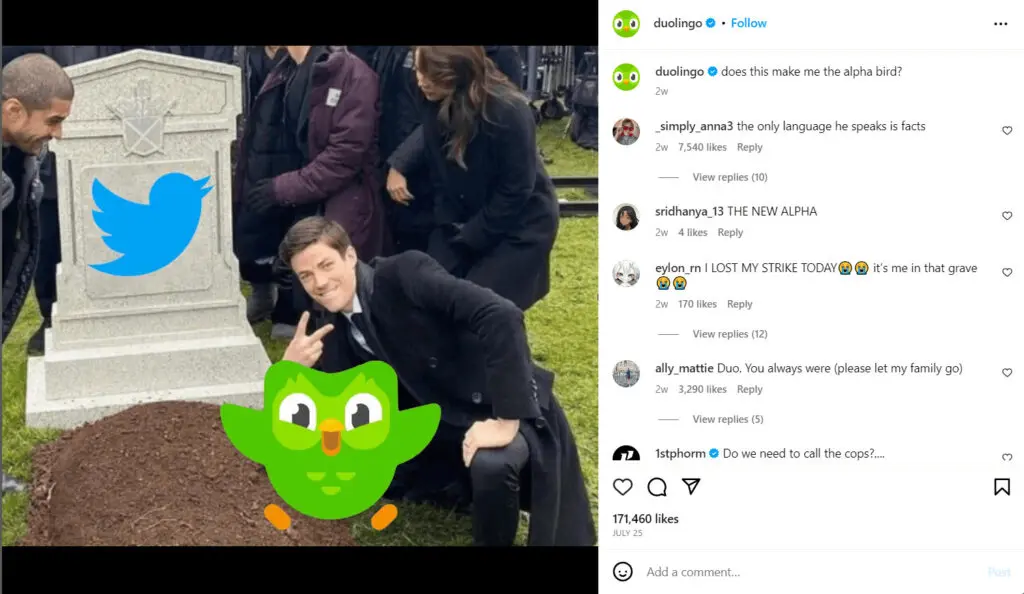
      Platforms like Newgrounds and 4chan repurposed anime eye-rolls into ironic or exaggerated reactions (e.g., "When you see a cat video" memes). The 2012 "Roll Safe" meme (a GIF of a character’s eyes spiraling) cemented the trope in digital communication.
    • 2010s–Present: TikTok and Viral Challenges:
      The phrase resurfaced in #EyeRollChallenge, where users filmed themselves reacting to absurd content. Brands and influencers adopted it to simulate authenticity, though critics argue it loses nuance in algorithm-driven humor.

    Flowchart: From Medical Observation to Pop-Culture Trope

    The following key milestones illustrate the phrase’s trajectory:

    1. Pre-1900: Medical/religious descriptions of seizures or trances.
    → 1920s: Vaudeville and blues music adopt it for laughter/shock.
    → 1950s–1970s: AAVE and Southern slang metaphorize the phrase.
    → 199
    make my eyes roll back - Ilustrasi 2

    Physiological and Psychological Triggers of Involuntary Eye-Rolling

    Involuntary eye-rolling—whether induced by extreme laughter, rage, or euphoria—serves as a visible manifestation of complex neurophysiological processes intersecting with emotional regulation. This phenomenon arises from the interplay between autonomic nervous system responses, brainstem reflexes, and higher cortical processing, often amplifying under conditions of heightened arousal. Below, the neurological mechanisms, stress-response pathways, and cultural interpretations of these triggers are examined through clinical observations, historical case studies, and cross-cultural comparisons.

    The involuntary nature of eye-rolling stems from its rootedness in primitive survival reflexes, later repurposed by emotional and cognitive systems. Unlike voluntary ocular movements controlled by the frontal eye fields, involuntary eye-rolling engages subcortical structures, including the oculomotor nerve (CN III) and vestibular system, which coordinate rapid, uncontrolled movements. These responses are not isolated but part of a broader stress-response cascade, where adrenaline and dopamine spikes modulate muscle tone, respiration, and sensory perception.

    Neurological Mechanisms and Brainstem Reflexes

    Involuntary eye-rolling is primarily governed by the oculomotor complex in the midbrain, which integrates signals from the vestibular nuclei, reticular formation, and hypothalamus. The superior colliculus and nucleus of the posterior commissure (NPC) play critical roles in generating conjugate upward gaze, often triggered by sudden emotional surges. During extreme states—such as laughter, orgasmic euphoria, or epileptic auras—gamma-aminobutyric acid (GABA)ergic inhibition in the brainstem temporarily weakens, allowing reflexive contractions of the levator palpebrae superioris and superior rectus muscles, which force the eyes upward and backward.

    Key neural pathways involved:

  • Vestibulo-ocular reflex (VOR): Normally stabilizes gaze during head movements; in emotional states, it may dysregulate, contributing to vertigo-like sensations paired with eye-rolling.
  • Hypothalamic-pituitary-adrenal (HPA) axis activation: Stress hormones (cortisol, adrenaline) enhance sympathetic dominance, increasing muscle rigidity and reducing voluntary control over ocular movements.
  • Limbic system hyperactivation: The amygdala and insula process emotional intensity, sending signals to the brainstem that override cortical inhibition.
  • First-person accounts frequently describe eye-rolling as accompanied by:

  • Head tilting backward (due to sternocleidomastoid and splenius capitis muscle spasms).
  • Muscle tremors in the neck and face (linked to myoclonic jerks from cerebellar dysfunction).
  • Sensory depersonalization (e.g., "floating" sensations, reported in cases of temporal lobe epilepsy).
  • Clinical parallels exist in catatonic states (e.g., negativism or posturing) and hysterical paroxysms of the 19th century, where patients exhibited opisthotonos (arching backward) and oculogyric crises—prolonged upward deviation of the eyes. Modern neurology categorizes similar episodes under dystonic reactions or paroxysmal non-kinesigenic dyskinesia (PNKD), where dopamine dysregulation triggers involuntary movements.

    Stress Response and Neurochemical Pathways

    The physiological sequence leading to eye-rolling during emotional extremes follows a predictable adrenaline-dopamine feedback loop:

    1. Trigger Phase:

  • Laughter: Sudden release of endorphins and dopamine from the nucleus accumbens, coupled with noradrenaline surges from the locus coeruleus.
  • Rage/Euphoria: Serotonin and glutamate spikes in the amygdala override prefrontal inhibitory control.
  • Sensory overload (e.g., music, orgasm): Oxytocin and vasopressin enhance limbic system excitability.
  • 2. Autonomic Dysregulation:

  • Sympathetic overdrive: Adrenaline increases muscle tone in the extraocular muscles, reducing voluntary control.
  • Parasympathetic rebound: Vagal stimulation may cause bradycardia or syncope-like sensations, further destabilizing ocular fixation.
  • 3. Motor Execution:

  • Brainstem reflex activation: The red nucleus and pontine reticular formation generate oculomotor bursts, overriding cortical commands.
  • Proprioceptive feedback: Stretch receptors in the neck (muscle spindles) amplify the response, creating a positive feedback loop (e.g., head tilt → further muscle contraction).
  • Case Study: "The Laughing Death" (Gelotophobia and Epilepsy)
    Historical records from the 19th century document "hysterical paroxysms" where patients experienced involuntary laughter followed by eye-rolling and convulsions, later classified as pseudobulbar affect or temporal lobe epilepsy. A notable case from Salpêtrière Hospital (1880s) described a patient who, upon hearing a joke, exhibited:

  • Opisthotonos (backward arching).
  • Oculogyric crises lasting 30–60 seconds.
  • Post-ictal confusion with memory gaps.
  • Neurologist Jean-Martin Charcot attributed these to "hysterical epilepsy," though modern interpretations link them to mesial temporal lobe dysfunction.

    Cross-Cultural Interpretations of Eye-Rolling

    The perception of eye-rolling as comical, sacred, or sinister varies across cultures, reflecting divergent frameworks for interpreting involuntary bodily responses. Below is a comparative analysis of emotional triggers, physical responses, and cultural narratives:
    Emotion Trigger Physical Response Cultural Interpretation
    Laughter Stand-up comedy, slapstick humor, absurdity Head thrown back, diaphragm spasms, tears
    • Western Comedy: Associated with "hilarity" (e.g., Charlie Chaplin’s exaggerated reactions).
    • Japanese Manzai: Audience laughter may induce shared nervous system synchronization, amplifying eye-rolling in performers.
    • Middle Eastern Laughter Therapy: Seen as a spiritual release (e.g., Sufi dervishes’ "laughing ecstasy").
    Rage Humiliation, betrayal, sudden provocation Jaw clenching, dilated pupils, temporary blindness
    • Greek Tragedy (e.g., "Thyestes" by Seneca): Eye-rolling depicted as a divine punishment (e.g., gods forcing victims to "see their own sin").
    • Japanese "Mushin" (No Theater): Actors use controlled eye-rolling to convey unbridled emotion without breaking character.
    • African Possession Rituals: Interpreted as spirit entry (e.g., Vodun ceremonies where trance states include ocular deviations).
    Euphoria Music (e.g., trance, techno), orgasm, religious ecstasy Piloerection, rapid breathing, dissociation
    • Christian Mysticism (e.g., St. Teresa of Ávila): "Rapture" described with eyes fixed upward, interpreted as divine union.
    • East Asian "Qi" Cultivation: Eye-rolling during Tai Chi or Qigong seen as energy blockage or spiritual ascent.
    • Modern EDM Culture: "Dropping" at festivals involves collective eye-rolling, framed as transcendent release.
    Fear/Panic Near-death experiences, horror stimuli Tunnel vision, muscle rigidity, auditory exclusion
    • Western Horror Tropes

      Pop Culture Depictions and Memes of "Make My Eyes Roll Back"

      The phrase "make my eyes roll back" has transcended its physiological origins to become a staple of visual comedy, internet humor, and animated expression. Pop culture has amplified its recognizability through exaggerated depictions, memetic repurposing, and viral trends, embedding it into digital and mainstream media lexicons. These portrayals often rely on hyperbole—whether in animated transformations, satirical edits, or social media challenges—to create shared cultural shorthand for disbelief, overstimulation, or exaggerated reactions.

      The visual and textual evolution of eye-rolling in media reflects broader trends in digital communication, where brevity and expressiveness dominate. Iconic media moments, memes, and animated character designs have cemented the phrase’s place in modern discourse, while platforms like TikTok and Twitter have turned it into an interactive, participatory phenomenon. Below, the analysis explores its manifestations across animation, internet culture, music, and social media, highlighting how these elements collectively shape its enduring relevance.

      Iconic Media Moments Featuring Exaggerated Eye-Rolling

      Five pivotal instances in animation, film, and television have visually exaggerated eye-rolling to comedic or dramatic effect, significantly boosting the phrase’s cultural penetration:

      - Looney Tunes (1930s–1960s): Characters like Bugs Bunny and Daffy Duck frequently employed exaggerated eye-rolls during moments of frustration or sarcasm. The technique—often paired with rapid head tilts or cross-eyed expressions—became a signature of the studio’s slapstick timing. For example, Bugs’ "Eh, what’s up, doc?" delivery in What’s Up, Doc? (1950) includes a subtle eye-roll that underscores his mischievous superiority.

    • South Park (1997–present): The show’s crude humor often features characters like Cartman or Stan rolling their eyes in slow-motion or with exaggerated sound effects (e.g., "Dun-dun-DUN!"). Episodes such as "Scott Tenorman Must Die" (1997) use eye-rolls to mock hypocrisy or absurdity, reinforcing the phrase’s association with dismissive reactions.
    • Dragon Ball Series (1986–present): The transformation sequences of characters like Goku or Vegeta frequently include eye-rolls as part of their power-ups, framed as a visual cue for "unleashing potential." The 1990s anime’s Western dub amplified this trope, with lines like "I’ll make your eyes roll back in your head!" becoming shorthand for overwhelming force.
    • Family Guy (1999–present): Stewie Griffin’s manic, wide-eyed reactions—often accompanied by dramatic eye-rolls—mirror his villainous or exasperated monologues. The show’s cutaway gags (e.g., "Peter’s Got Questions") use eye-rolls to signal absurdity, aligning the phrase with surreal humor.
    • Rick and Morty (2013–present): The series’ sci-fi absurdity frequently features characters (especially Rick) rolling their eyes in slow motion during existential or sarcastic remarks. Episodes like "The Rickshank Rickdemption" (2013) use the gesture to underscore cynicism, blending it with the show’s meta-humor.
    • These depictions leverage animation techniques such as exaggerated squash-and-stretch (e.g., elongated eyeballs), sound design (e.g., exaggerated "thuds" or "whooshes"), and timing (e.g., pauses before the roll) to heighten comedic impact. The phrase’s popularity surged as these moments became shorthand for "over-the-top reactions," particularly in internet culture.

      Internet Memes Repurposing the Phrase

      The internet has transformed "make my eyes roll back" into a versatile meme template, often repurposing it for satire, critique, or absurdist humor. The following examples illustrate its adaptive nature:

      - "Roll Safe" Edits: Originating from the 2010s, this meme format combines a clip of a character (e.g., SpongeBob or Homestar Runner) rolling their eyes with the phrase "Roll safe" superimposed. The humor stems from the juxtaposition of the phrase’s original medical connotation with the meme’s ironic, self-aware tone. Variations include "Roll safe, bro" or "Roll safe, Karen" to mock specific behaviors (e.g., entitlement).

    • "Distracted Boyfriend" Parodies: While primarily a template for infidelity humor, some edits repurpose the eye-roll trope to critique passive-aggressive behavior. For instance, a modified version might show a character eye-rolling at a partner’s excuses, with the caption "When your boyfriend says ‘I’ll explain later’ but you know he won’t."
    • "Oh No" Face to Eye-Roll Evolution: Memes transitioned from SpongeBob’s iconic "Oh no!" face (a wide-eyed, panicked expression) to exaggerated eye-rolls as a progression of frustration. This shift reflects a cultural move from shock to dismissive humor, often paired with text like "When you realize you’re the only one who gets it."
    • "Skibidi Toilet" Absurdism: The 2020s Skibidi Toilet meme series frequently features characters with wide, rolling eyes as part of its surreal, chaotic aesthetic. The phrase is invoked ironically, as the meme’s nonsensical nature renders literal eye-rolling impossible—highlighting the meme’s meta-commentary on internet culture itself.
    • Political and Social Commentary: Memes like "Make America Roll Back" (a play on "Make America Great Again") use the phrase to critique political rhetoric, framing eye-rolling as a collective response to perceived absurdity or hypocrisy.
    • The repurposing of the phrase in memes often relies on visual punning (e.g., altering existing templates) and textual layering (e.g., adding ironic captions). Platforms like Twitter and Reddit amplify its reach by associating it with niche communities (e.g., Weeaboo culture via Dragon Ball references) or broader trends (e.g., Gen Z’s "sigma" or "gyatt" humor).

      Animated Characters Designed to Evoke Eye-Rolling

      Several animated characters were explicitly designed with eye-rolling as a core expressive tool, often using animation principles to maximize comedic or dramatic effect. Key examples include:

      - SpongeBob SquarePants (1999–present): SpongeBob’s "Oh no!" face—characterized by wide, upward-rolling eyes and a gaping mouth—became a template for exaggerated reactions. The animation technique involves hyperbolic squash (elongating the eyeballs vertically) and anticipatory pauses before the roll to emphasize the suddenness of the reaction.

    • Homestar Runner (1996–present): The Strong Bad series’ characters frequently employ eye-rolls in their deadpan humor. Strong Bad’s "Oh, come ON!" moments use rapid blink-to-roll transitions to underscore sarcasm, while Marzipan’s reactions rely on asymmetrical eye-rolls (one eye rolling faster than the other) for comedic timing.
    • Adventure Time’s Finn (2010–2018): Finn’s exaggerated eye-rolls during moments of frustration (e.g., "Dude, that’s so dumb!") use dynamic camera angles (e.g., Dutch tilts) to amplify the gesture. The show’s fluid animation allows for elastic timing, where the roll occurs mid-sentence for comedic emphasis.
    • Rick and Morty’s Rick Sanchez (2013–present): Rick’s eye-rolls are often paired with slow-motion sequences and distorted sound effects (e.g., a "thwip" noise) to emphasize his disdain. The animation exaggerates his pupil dilation to convey his manic energy, blending horror-comedy with the trope.
    • Phineas and Ferb’s Perry (2007–2015): Perry the Platypus’ eye-rolls during his "I’m a platypus" monologues use exaggerated eyelid movements and sudden head snaps to contrast his deadpan delivery with physical comedy.
    • These characters leverage animation techniques such as:

    • Exaggeration: Stretching eyeballs or eyelids beyond realism.
    • Timing: Deliberate pauses or accelerations to control comedic impact.
    • Sound Design: Adding "thuds" or "whooshes" to mimic the physicality of the roll.
    • Camera Work: Using close-ups or extreme angles to isolate the gesture.
    • Musical References to Eye-Rolling in Lyrics and Music Videos

      Music has incorporated the phrase "make my eyes roll back" either literally or through misheard lyrics, often tying it to themes of intoxication, euphoria, or sensory overload. Notable examples

      The phrase "make my eyes roll back" stands as a testament to humanity’s ability to reframe the extraordinary into the everyday, turning a neurological quirk into a shared language of excess. Whether through the adrenaline-fueled spasms of laughter, the exaggerated animations of Looney Tunes, or the algorithm-driven humor of Twitter, its persistence underscores a universal truth: extreme emotions demand expression. By tracing its path from medical texts to viral trends, we uncover not just the science behind involuntary reactions, but also the cultural hunger to celebrate—or mock—the moments when our bodies betray our control. In an era of curated reactions, this phrase remains a raw, unfiltered mirror of what it means to feel too much.

    Leave a Comment

    Comments are moderated before appearing. The data you submit is processed according to the Privacy Policy of www.linuxunplugged.com.