iphone how to turn off essential steps and solutions

Table of Contents
- Step-by-Step Guide to Turning Off an iPhone (iOS 15 and Later)
- Standard Shutdown Procedure for iPhone Models with Face ID (iPhone X and Later)
- Standard Shutdown Procedure for iPhone Models with Home Button (Pre-iPhone X)
- Alternative Method for Users with Physical Button Issues (AssistiveTouch Setup)
- Shutting Down an iPhone in Low Battery Mode (Below 20%)
- Comparison Table: Shutdown Steps for Face ID vs. Home Button iPhones
- Troubleshooting iPhone Not Responding to Power-Off Commands
- Common Reasons for Ignored Power-Off Commands
- Forced Restart Procedures by iPhone Model
- Diagnosing Hardware Issues Preventing Power-Off
- Advanced Methods: Alternative Ways to Power Down an iPhone
- Using Siri Commands to Power Off an iPhone via Voice Activation
- Remotely Powering Off an iPhone Using Apple Watch
- Disabling the Power Button for Accessibility via Shortcuts
- Comparative Efficiency of Advanced Power-Off Methods
- Visual and Descriptive Breakdown of iPhone Power Button Functions
- Anatomy and Functional Distinctions of the Power Button
- System Shutdown Sequence Triggered by Power Button
- Decision Tree for iPhone Power States
- iOS Settings Influencing Power Button Behavior
- Security and Privacy Considerations When Turning Off an iPhone
- Impact of Forced Shutdown on Active Security Features
- Data Wiping and Activation Lock in Lost or Stolen iPhones
- Risk Comparison: Public vs. Private Shutdown Scenarios
- Best Practices for High-Risk Shutdown Environments
- Historical Evolution of iPhone Power-Off Methods
- Physical Button Designs and Material Innovations from iPhone 4 to iPhone 15
- Timeline of iOS Updates Modifying Power-Off Behavior
- User Experience Differences Between Touch ID and Face ID iPhones
- Impact of Third-Party Accessories on Power Button Functionality
Mastering the process of turning off an iPhone efficiently is essential for troubleshooting, battery management, or emergency shutdowns. Whether navigating iOS 15 or addressing unresponsive devices, understanding the correct procedures ensures seamless functionality while minimizing risks such as data loss or security vulnerabilities.
This guide explores standard and alternative methods—from physical button operations to voice-activated commands—while addressing hardware limitations, software glitches, and accessibility needs. Additionally, it examines the historical evolution of power-off mechanisms and their impact on user experience, alongside critical security considerations for safeguarding sensitive information during shutdowns.
Step-by-Step Guide to Turning Off an iPhone (iOS 15 and Later)
Turning off an iPhone is a straightforward process, but the method varies slightly depending on the model (Face ID vs. Home Button) and battery levels. Below are detailed instructions, including alternative methods for users with physical button limitations, and a comparison of steps across iPhone models. Proper shutdown procedures help conserve battery life, troubleshoot performance issues, or prepare the device for updates or repairs.
Standard Shutdown Procedure for iPhone Models with Face ID (iPhone X and Later)
For iPhones equipped with Face ID (e.g., iPhone X, 11, 12, 13, 14, 15, and SE 2nd/3rd generations), follow these steps:
Note: Ensure the device is unlocked before proceeding. If the screen is locked, authenticate using Face ID or passcode.
-
Press and hold the Side button (located on the right edge) and either Volume Up or Down button simultaneously.
- On iPhone 11 and later, this action triggers the power-off slider.
- On iPhone X, the slider appears after holding the Side button alone for 3 seconds.
-
Drag the "Power Off" slider from left to right to confirm shutdown.
- The screen will fade to black, and the device will power down within 30 seconds.
- If the slider does not appear, ensure the device is not in Low Power Mode or has sufficient battery (above 20%).
Standard Shutdown Procedure for iPhone Models with Home Button (Pre-iPhone X)
For older iPhone models (e.g., iPhone 8 and earlier), the process involves the Home button:
Note: This method requires physical interaction with the Home button, which may be unresponsive if damaged.
-
Press and hold the Side (or Top) button until the power-off slider appears.
- On iPhone 8, the Side button is located on the right edge.
- On iPhone 7 and earlier, the Top button (near the 3.5mm jack) is used.
-
Drag the "Slide to Power Off" slider to the right.
- The device will shut down after a 30-second countdown.
- If the slider fails to appear, check for button malfunctions or software glitches.
Alternative Method for Users with Physical Button Issues (AssistiveTouch Setup)
Users with non-functional Side, Volume, or Home buttons can use AssistiveTouch to trigger shutdown. This feature creates a virtual button on-screen for device control.
Prerequisite: Enable AssistiveTouch in Settings > Accessibility > Touch > AssistiveTouch before proceeding.
- Open the AssistiveTouch menu by tapping the floating button on the screen.
-
Navigate to "Device" > "More" > "Sleep" (or "Lock Screen" on older iOS versions).
- On iOS 15 and later, the "Sleep" option directly triggers shutdown.
- On earlier versions, "Lock Screen" may require additional steps (e.g., holding the button longer).
- Confirm the shutdown by tapping "Sleep" or holding the virtual button until the power-off slider appears.
Shutting Down an iPhone in Low Battery Mode (Below 20%)
When an iPhone’s battery drops to 20% or lower, it automatically enters Low Power Mode, which may prevent normal shutdown procedures. To force a shutdown:
Warning: This method may result in data loss if the device is not properly shut down. Use only when necessary.
- Connect the iPhone to a power source (e.g., charger or computer) to prevent immediate shutdown during the process.
-
Force restart the device using the following steps:
-
For iPhone 8 and later (Face ID):
- Quickly press and release the Volume Up button.
- Quickly press and release the Volume Down button.
- Press and hold the Side button until the Apple logo appears (approximately 10–15 seconds).
-
For iPhone 7 and 7 Plus:
- Press and hold both the Side (Top) button and the Volume Down button simultaneously.
- Release the buttons when the Apple logo appears.
-
For iPhone 6s and earlier:
- Press and hold both the Side (or Top) button and the Home button until the Apple logo appears.
-
For iPhone 8 and later (Face ID):
- Once the device restarts, follow the standard shutdown procedure (Side + Volume buttons or AssistiveTouch).
Comparison Table: Shutdown Steps for Face ID vs. Home Button iPhones
The following table summarizes the key differences in shutdown procedures based on iPhone model:
| Step | iPhone Models with Face ID (X and Later) | iPhone Models with Home Button (8 and Earlier) |
|---|---|---|
| Initial Action | Press and hold Side button + Volume Up/Down (iPhone 11+) or Side button for 3+ seconds (iPhone X). | Press and hold the Side (or Top) button until the slider appears. |
| Slider Appearance | "Power Off" slider appears immediately. | "Slide to Power Off" slider appears after holding the button. |
| Confirmation | Drag the slider right to shut down. | Drag the slider right to shut down. |
| Alternative for Button Issues | Use AssistiveTouch > Device > Sleep. | Use AssistiveTouch > Lock Screen (may require holding). |
| Low Battery Shutdown | Force restart via Volume Up + Down + Side button, then follow standard steps. | Force restart via Side + Volume Down (iPhone 7) or Side + Home (older models), then follow standard steps. |
Troubleshooting iPhone Not Responding to Power-Off Commands
When an iPhone fails to respond to standard power-off commands—such as pressing and holding the side button or using the Slide to Power Off slider—it typically indicates an underlying software or hardware issue. Common causes include frozen system processes, unresponsive touch screens, faulty power button connections, or liquid damage. Resolving these issues often requires a systematic approach, starting with forced restart procedures tailored to the iPhone model, followed by diagnostic checks for hardware degradation. Below, structured guidelines address software recovery, model-specific forced restarts, and hardware diagnostics, along with critical warnings about data loss risks.
Common Reasons for Ignored Power-Off Commands
Software and hardware malfunctions prevent an iPhone from executing power-off sequences. These include:
- System Freezes or Crashes: Unresponsive touch or display prevents interaction with the power-off slider or button.
For persistent issues, isolate whether the problem stems from software (resolvable via forced restarts) or hardware (requiring professional assessment).
Forced Restart Procedures by iPhone Model
Forced restarts bypass unresponsive interfaces and restart the device’s operating system. The method varies by model due to differences in hardware (e.g., absence of a Home button in newer iPhones). Below is a checklist for iOS 15 and later:Warning: Forced restarts do not trigger iCloud backups or sync data. Ensure critical files are backed up to iCloud or a computer before proceeding.iPhone 8 and Later (Including iPhone SE 2nd Generation and iPhone SE 3rd Generation)
1. Quickly press and release the Volume Up button.
2. Quickly press and release the Volume Down button.
3. Press and hold the Side button until the Apple logo appears (typically 5–10 seconds).
iPhone 7 and iPhone 7 Plus
1. Press and hold both the Volume Down button and the Side button simultaneously.
2. Release when the Apple logo appears (approximately 8–10 seconds).
iPhone 6s and Earlier
1. Press and hold both the Home button and the Side (or Top) button until the Apple logo appears (10–15 seconds).
Note: If the device does not restart after 30 seconds, repeat the process or proceed to hardware diagnostics.
Diagnosing Hardware Issues Preventing Power-Off
If forced restarts fail to resolve the issue, hardware components may be malfunctioning. Use the following diagnostic steps to identify potential faults:Visual and Physical Inspection
Functional Testing
2. For iPhone 8 and later: Press and quickly release Volume Up, then Volume Down. Hold the Side button for 10 seconds, then hold Side + Volume Down for 5 seconds until detected.
3. For iPhone 7/7 Plus: Hold Volume Down + Side for 8 seconds, then hold Side + Volume Down for 5 seconds.
4. For iPhone 6s and earlier: Hold Home + Side for 10 seconds, then hold Home + Side + Volume Down for 5 seconds.
5. Restore via the computer if prompted.
Professional Assessment Indicators
Mitigation for Data Loss
Advanced Methods: Alternative Ways to Power Down an iPhone
While standard methods for turning off an iPhone rely on physical button presses or touchscreen interactions, advanced techniques leverage voice commands, wearable integration, and accessibility features. These methods enhance usability for users with mobility limitations, those in hands-free environments, or situations where traditional methods fail. Below are three specialized approaches, each optimized for different scenarios, along with a comparative analysis of their efficiency.
Using Siri Commands to Power Off an iPhone via Voice Activation
Voice-activated power-off commands eliminate the need for physical or touchscreen interaction, making this method ideal for users with limited dexterity or those who prefer hands-free operation. Siri’s integration with iOS allows for seamless execution of power-related commands, provided the device is unlocked and Siri is enabled.
Requirements:
Steps to Enable and Use Siri for Power-Off:
1. Enable Siri:
2. Configure Accessibility Shortcuts (Optional):
3. Execute the Command:
Limitations:
Remotely Powering Off an iPhone Using Apple Watch
The Apple Watch provides a convenient way to power down an iPhone wirelessly via Bluetooth, eliminating the need to reach for the device. This method is particularly useful for users who frequently wear their Apple Watch and wish to avoid screen interactions or physical button presses.Requirements:
Steps to Enable and Use Apple Watch for Power-Off:
1. Configure the Watch App:
2. Execute the Command:
Limitations:
Disabling the Power Button for Accessibility via Shortcuts
For users with motor impairments or those who rely on alternative input methods, disabling the physical power button can be achieved through Accessibility Shortcuts. This method replaces the button’s function with a custom gesture (e.g., triple-clicking the Side button) or a Siri command, providing greater flexibility in device control.Requirements:
Steps to Configure Accessibility Shortcuts for Power-Off:
1. Enable Accessibility Shortcuts:
2. Create a Custom Shortcut for Power-Off:
3. Alternative: Use Built-in Shortcuts:
let command = "shutdown"
let process = Process()
process.launchPath = "/usr/bin/killall"
process.arguments = ["backboardd"]
try process.run()
- Note: This requires Jailbreak or Shortcuts app workarounds (not officially supported by Apple).
Limitations:
Comparative Efficiency of Advanced Power-Off Methods
The following table evaluates the three advanced methods based on speed, reliability, battery impact, and usability in different scenarios. Efficiency is rated on a scale of 1 (lowest) to 5 (highest).| Method | Speed (Execution Time) | Reliability (Success Rate) | Battery Impact | Usability (Accessibility/Convenience) | Best Use Case |
|---|---|---|---|---|---|
| Siri Voice Command | 3/5 (2–4 seconds, depends on Siri response) | 4/5 (High, but affected by background noise) | 2/5 (Minimal, but active Siri increases standby drain) | 5/5 (Hands-free, ideal for mobility-impaired users) | Unlocked device, hands-free environments (e.g., driving, cooking) |
| Apple Watch Remote Shutdown | 4/5 (~2–5 seconds, Bluetooth latency) | 5/5 (Consistent if devices are paired) | 1/5 (Negligible, Apple Watch uses low-power Bluetooth) | 4/5 (Requires Apple Watch, but no screen interaction) | Users who wear Apple Watch frequently (e.g., fitness tracking, quick access) |
| Accessibility Shortcuts (Triple-Click) | 5/5 (<1 second, direct hardware trigger) | 3/5 (Depends on Shortcut configuration) | 1/5 (No additional battery drain) | 5/5 (Customizable, works even if screen is off) | Users with motor impairments, emergency scenarios |
blockquote
For users requiring maximum reliability, the Apple Watch method
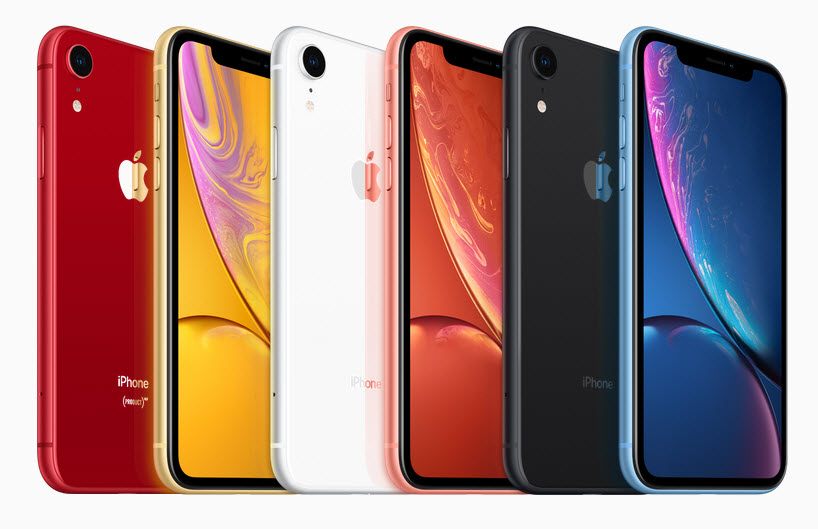
Visual and Descriptive Breakdown of iPhone Power Button Functions
The iPhone’s power button is a critical component that governs essential system interactions, including shutdown, sleep mode activation, and emergency features. Its design integrates both physical and software-driven behaviors, optimized for efficiency and user control. Understanding the button’s anatomy, functional distinctions between press types, and underlying system processes ensures proper utilization, especially in scenarios where responsiveness or power management is critical.The power button’s behavior varies based on hardware generation (e.g., iPhone 8 and later vs. older models), iOS version, and user-configurable settings. Below is a detailed breakdown of its structure, operational mechanics, and the decision-making framework governing its responses.
Anatomy and Functional Distinctions of the Power Button
The iPhone power button consists of two primary operational modes: single press and force press (also referred to as "long press" or "hard press" in earlier iOS versions). These actions trigger distinct system responses, tailored to user intent and device state.Text-Based Illustration of Power Button Anatomy:
```
+---------------------+
| |
| [Power Button] | ← Physical button (side-mounted on iPhone 8+)
| |
+--------+------------+
|
+-----> Single Press: Light tap (1-2 seconds)
|
+-----> Force Press: Firm, sustained press (3+ seconds)
(Detects pressure depth via Taptic Engine)
```
Key Differences:
- Force Press:
System Shutdown Sequence Triggered by Power Button
When a user initiates a shutdown via the power button (force press), the following sequence occurs in the background:1. Button Press Detection:
2. System Wake-Up:
3. User Interface Confirmation:
4. Background Processes:
5. Final System Halt:
Critical Note:
Decision Tree for iPhone Power States
The iPhone’s power button interactions follow a hierarchical decision tree, prioritizing user safety, system stability, and efficiency. Below is a textual flowchart representing the logic:```
START
│
├── Button Press Detected?
│ ├── No → No Action
│ └── Yes →
│ ├── Press Duration < 1 Second?
│ │ ├── Yes → Wake/Sleep Toggle (if locked/unresponsive)
│ │ └── No →
│ │ ├── Press Duration ≥ 3 Seconds?
│ │ │ ├── Yes →
│ │ │ │ ├── Emergency SOS Active? (Settings → Emergency SOS)
│ │ │ │ │ ├── Yes → Countdown (5s default) → SOS Call
│ │ │ │ │ └── No → Shutdown Sequence Initiated
│ │ │ │ ├── Slide to Power Off Confirmed? → Full Shutdown
│ │ │ │ └── No → Cancel Shutdown
│ │ │ └── No → Force Press (Alternative Actions)
│ │ │ ├── AssistiveTouch Configured? → Shortcut Execution
│ │ │ └── No → No Action
│ └── Press Duration ≥ 5 Seconds (Emergency SOS) →
│ ├── SOS Call Initiated (if enabled)
│ └── Auto-Dial After Countdown
```
Key Decision Points:
iOS Settings Influencing Power Button Behavior
Several iOS configurations modify how the power button responds, catering to accessibility, security, or convenience needs. Below are the primary settings and their effects:Core Settings Affecting Power Button Functionality:Table: Setting Impact on Power Button
Wake on Ring: Enables the device to wake from sleep when a call or notification arrives (Settings → Sounds & Haptics). Auto-Lock: Determines how long the device remains active before sleeping (Settings → Display & Brightness). Emergency SOS: Configures automatic SOS calls or medical ID access (Settings → Emergency SOS). AssistiveTouch: Assigns custom gestures to the power button via Create New Gesture (Settings → Accessibility). VoiceOver/Siri: May intercept single presses for accessibility features (Settings → Accessibility). Low Power Mode: Adjusts shutdown behavior when battery is critically low (Settings → Battery).
| Setting | Location | Effect on Power Button |
|---|---|---|
| Wake on Ring | Settings → Sounds & Haptics | Single press may wake device if a call/notification triggers it. |
| Auto-Lock (1-5 Minutes) | Settings → Display & Brightness | Faster sleep reduces need for manual power button use. |
| Emergency SOS | Settings → Emergency SOS | Force press (≥5s) initiates SOS if enabled; overrides shutdown. |
| AssistiveTouch | Settings → Accessibility | Force press may execute custom shortcuts (e.g., Siri, Control Center). |
| VoiceOver/Siri | Settings → Accessibility | Single press may activate Siri or VoiceOver if configured. |
| Low Power Mode | Settings → Battery | Forces shutdown at 20% battery if enabled; bypasses normal power-off confirmation. |
Security and Privacy Considerations When Turning Off an iPhone
Turning off an iPhone involves more than simply interrupting device functionality—it directly impacts active security protocols, data protection mechanisms, and vulnerability to unauthorized access. While a forced shutdown may resolve performance issues, it temporarily disables biometric authentication (Touch ID/Face ID), location tracking (Find My iPhone), and encryption-dependent features. Users must weigh the trade-offs between immediate troubleshooting needs and long-term security risks, particularly in scenarios involving lost devices, theft, or exposure to malicious environments.The decision to power down an iPhone also introduces critical considerations for data integrity, especially when the device is later recovered or accessed by unauthorized parties. Below, structured insights address the interplay between shutdown methods, security features, and risk mitigation strategies, including best practices for high-risk scenarios.
Impact of Forced Shutdown on Active Security Features
A forced shutdown (holding the Side button + Volume button until the power slider appears) bypasses iOS’s standard shutdown sequence, which includes:Key Consideration: Forced shutdowns do not trigger iCloud-backed security measures (e.g., Lost Mode) unless the device reconnects to a network post-reboot. Users should verify iCloud sync status before initiating a shutdown in high-risk areas.
Data Wiping and Activation Lock in Lost or Stolen iPhones
If an iPhone is lost or stolen after a shutdown, the primary defense against unauthorized access is Activation Lock, a feature tied to the user’s Apple ID. However, its efficacy depends on prior configuration:- Activation Lock Requirements:
- Steps to Maximize Protection:
Warning: Activation Lock does not prevent physical access to the device’s storage if removed (e.g., via jailbreaking or hardware exploits). Users should avoid storing highly sensitive data (e.g., cryptographic keys, unencrypted passwords) on the device if frequent shutdowns occur in unsecured environments.
Risk Comparison: Public vs. Private Shutdown Scenarios
The security implications of turning off an iPhone vary significantly based on the environment. Below is a comparative analysis of risks and mitigation strategies:| Scenario | Security Risks | Mitigation Strategies |
|---|---|---|
| Public Areas (Airports, Cafés, Concerts) | - Theft: Higher likelihood of device snatching during distraction. | - Use a lockbox or RFID-blocking sleeve to deter theft. |
| - Data Exposure: Unattended device may be accessed via shoulder-surfing or malicious apps. | - Enable Guided Access (Settings > Accessibility) to restrict app usage. | |
| - Network Attacks: Public Wi-Fi may intercept shutdown commands or exploit vulnerabilities. | - Avoid forced shutdowns; use Airplane Mode first to disconnect from networks. | |
| Private Settings (Home, Office) | - Unauthorized Access: Family members or IT admins may bypass shutdowns. | - Set a complex passcode and enable Erase Data after 10 failed attempts. |
| - Malware Persistence: Shutdowns may not terminate background processes. | - Use iOS updates to patch vulnerabilities and run malware scans via security apps. |
Best Practices for High-Risk Shutdown Environments
Users who frequently turn off their iPhones in high-risk areas (e.g., crowded events, transit hubs) should adopt the following protocols to balance functionality and security:"Before initiating a shutdown in a high-risk area, follow the ‘3-Phase Security Check’:Additional measures include:
1. Lock the Device: Enable Auto-Lock (Settings > Display & Brightness > Auto-Lock) to a maximum of 1 minute.
2. Disable Unnecessary Services: Turn off Bluetooth, Wi-Fi, and NFC to minimize attack surfaces.
3. Secure Physical Access: Use a passcode with alphanumeric characters and enable Touch ID/Face ID immediately post-reboot to restore biometric protection."
Example Scenario: At an airport, a user experiencing a frozen iPhone should:
1. Hold the Side + Volume Down buttons for 10 seconds (forced shutdown).
2. Immediately reactivate Face ID upon reboot.
3. Store the device in a locked bag or anti-theft pouch until departure.
Historical Evolution of iPhone Power-Off Methods
The power-off mechanism on iPhones has undergone significant transformations since the introduction of the first-generation device in 2007. These changes reflect advancements in hardware design, user experience (UX) optimization, and iOS functionality. From the physical button layouts of early models to the seamless integration of biometric authentication and software-driven power management, each iteration introduced refinements that addressed usability, security, and accessibility. Below is a chronological exploration of these developments, highlighting key design shifts, iOS updates, and the impact of third-party accessories on power button functionality.
Physical Button Designs and Material Innovations from iPhone 4 to iPhone 15
The evolution of iPhone power buttons mirrors broader trends in Apple’s design philosophy, balancing aesthetics, durability, and tactile feedback. Early models relied on physical buttons with distinct mechanical responses, while later iterations adopted more integrated or even virtual solutions.
The iPhone 4 (2010) introduced a physical power button made of aluminum, positioned on the top bezel alongside the volume buttons. This design emphasized a clickable, raised button with a metallic finish, providing clear haptic feedback. The button’s placement was symmetrical, aligning with the device’s glass-and-metal construction.
By the iPhone 6 (2014), Apple transitioned to a sapphire crystal power button, a material known for its scratch resistance and durability. This change coincided with the introduction of Touch ID, where the home button (later repurposed as a fingerprint sensor) also served as a secondary power-off trigger. The iPhone 6s (2015) further refined this with Force Touch, allowing users to press harder to access additional functions, though power-off remained a standard long-press action.
The iPhone X (2017) marked a radical departure with the elimination of the physical home button and the adoption of Face ID. The power button was relocated to the right-side bezel, now integrated into a silicon-infused glass panel with a matte finish for better grip. This design prioritized a sleek, edge-to-edge display while maintaining a soft-touch response for power management.
With the iPhone 12 (2020), Apple introduced a ceramic shield for the display, and the power button’s material shifted to a more rigid, textured glass to improve durability. The iPhone 14 (2022) and iPhone 15 (2023) retained this design but optimized the button’s pressure sensitivity for faster response times. The iPhone 15 Pro further refined this with an aluminum frame, though the power button remained a glass-based component with enhanced tactile feedback.
The shift from aluminum to sapphire crystal and ceramic shield reflects Apple’s prioritization of durability and scratch resistance, while the relocation from the top bezel to the side aligns with the trend toward edge-to-edge displays and minimalist bezels.
Timeline of iOS Updates Modifying Power-Off Behavior
iOS updates have repeatedly redefined how users interact with the power button, introducing features like AssistiveTouch, Low Power Mode integration, and software-based power-off triggers. Below is a key timeline of these changes:- iOS 4 (2010) – Introduced the slide-to-power-off gesture, replacing the previous "lock" button method. Users were required to drag a slider across the screen to confirm shutdown, a security measure to prevent accidental power-offs.
- iOS 7 (2013) – Overhauled the UI with flat design, and the power-off slider became smoother and more animated. The Emergency SOS feature was also introduced, allowing users to trigger a countdown to power-off in critical situations.
- iOS 11 (2017) – With the iPhone X, Apple replaced the slide-to-power-off with a press-and-hold power button followed by a swipe gesture on the "Power Off" option. This change was part of the transition to Face ID and the removal of the home button.
- iPhone 12 and iOS 14 (2020) – Introduced Fast Power Cycling, where a rapid press-and-release of the power button could force-restart the device without fully shutting it down. This was primarily for troubleshooting but also influenced power-off workflows.
- iOS 15 (2021) – Integrated Low Power Mode into the power-off menu, allowing users to enable it before shutting down to extend battery life. The AssistiveTouch feature also gained prominence, offering a virtual power button for users with mobility impairments.
- iOS 16 (2022) – Added Customizable Control Center options, where users could add a direct power-off button for quicker access. The Emergency SOS via Side Button was also refined, allowing users to hold the power button to call emergency services.
- iOS 17 (2023) – Further optimized the power-off animation with a faster transition and introduced StandBy Mode, which could be toggled during shutdown to preserve battery while in a docked state.
The progression from slide-to-power-off to press-and-swipe reflects Apple’s emphasis on gesture-based interactions and security enhancements, while features like Low Power Mode integration demonstrate the company’s focus on battery optimization.
User Experience Differences Between Touch ID and Face ID iPhones
The transition from Touch ID to Face ID significantly altered the power-off experience, influencing both accessibility and workflow efficiency. Below is a comparative analysis of the two systems:-
Physical Interaction and Haptics
- Touch ID (iPhone 5s–8/8 Plus, SE 1st/2nd Gen) – Required a long-press on the home button (or side button on SE models) followed by a slide-to-power-off. The tactile feedback from the home button provided a clear confirmation of the action.
- Face ID (iPhone X and later) – Replaced the home button with a side power button, eliminating the need for a central sensor. The haptic feedback from the side button is subtler, relying more on visual cues (e.g., the "Press Side Button" prompt).
-
Biometric Authentication During Shutdown
- Touch ID – Did not require fingerprint authentication during shutdown, as the power-off process was directly tied to the physical button.
- Face ID – Introduced optional Face ID verification during power-off in iOS 12+, allowing users to lock the device with their face before shutdown, adding an extra security layer.
-
Accessibility and Assistive Features
- Touch ID Devices – Relied on physical button presses, which could be challenging for users with limited dexterity. AssistiveTouch provided a virtual home button but did not initially offer a virtual power button.
- Face ID Devices – Expanded AssistiveTouch to include a virtual power button, enabling users to customize gestures (e.g., triple-click) for power management. VoiceOver also improved navigation for the visually impaired.
-
Emergency SOS Integration
- Touch ID – Emergency SOS was triggered via hardware buttons (Home + Power), requiring precise coordination.
- Face ID – Simplified Emergency SOS with a single-side-button press, reducing the risk of accidental activation while improving accessibility.
The shift from Touch ID to Face ID introduced greater flexibility in power management, particularly for users with disabilities, while also enhancing security through biometric verification during shutdown.
Impact of Third-Party Accessories on Power Button Functionality
Third-party accessories, including cases, screen protectors, and protective films, can interfere with the power button’s responsiveness due to material composition,Turning off an iPhone is more than a routine task—it involves navigating technical intricacies, mitigating potential risks, and adapting to evolving device functionalities. By leveraging the methods outlined, users can optimize performance, resolve issues, and maintain data security in diverse scenarios. Whether addressing a frozen screen, conserving battery life, or preparing for a secure shutdown, this guide equips you with the knowledge to handle every situation with confidence and precision.
Leave a Comment
Comments are moderated before appearing. The data you submit is processed according to the Privacy Policy of www.linuxunplugged.com.