Coachella Car Camping Essentials And Evolution
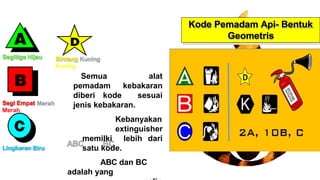
Table of Contents
- Historical and Cultural Significance of Coachella Car Camping
- Origins and Early Evolution of Coachella Car Camping
- Key Events Shaping Car Camping Policies and Culture
- Anecdotes and Attendee Perspectives on Car Camping’s Emotional Impact
- Comparative Analysis: Coachella Car Camping vs. Other Major Festivals
- Logistics and Preparation for Car Camping at Coachella
- Securing a Car Camping Permit: Lottery, Waitlists, and Alternatives
- Essential Gear Checklist: Prioritizing Comfort and Safety
- Optimizing Vehicle Setup for Comfort and Safety
- Sustainability and Eco-Friendly Practices in Coachella Car Camping
- Zero-Waste Kits and Minimalist Camping Essentials
- Comparison of Eco-Friendly vs. Conventional Camping Supplies
- Coachella’s Official Sustainability Initiatives and Camper Alignment
- Visualizing Sustainable Car Camping Setups
- Community and Social Dynamics of Coachella Car Camping
- Unspoken Rules and Etiquette of Car Camping Neighborhoods
- Social Structures: Car Camping vs. General Admission Camping
- Organizing Group Car Camping: Templates for Collaboration
- Car Camping and Coachella’s "Family" Culture
- Challenges and Risks of Car Camping at Coachella
- Physical and Environmental Challenges
- Safety Protocols for Emergencies
- Psychological and Sensory Challenges
- Risk Assessment Table for Common Hazards
Coachella car camping transcends mere accommodation, embodying a cultural phenomenon where vehicles become mobile sanctuaries and communities form amid the desert’s vastness. Since its inception, this tradition has evolved from a logistical necessity into a defining ritual for festival-goers, blending practicality with artistic expression and sustainability. The experience reflects Coachella’s unique fusion of music, art, and communal living, where every vehicle—from vintage vans to customized trailers—tells a story of preparation, resilience, and shared adventure.
The allure of car camping lies in its duality: a private retreat within a public spectacle, where attendees balance the chaos of festival life with the intimacy of a curated space. From securing permits through competitive lotteries to navigating extreme desert conditions, each step demands foresight and adaptability. This guide explores the historical roots, tactical preparations, eco-conscious innovations, and social dynamics that shape car camping, while addressing the challenges that test even the most seasoned participants. Whether a first-timer or a veteran, understanding these elements transforms the experience from a survival test into a celebrated tradition.
Historical and Cultural Significance of Coachella Car Camping
The origins of Coachella car camping trace back to the festival’s early iterations in the 1990s, when the event was a modest gathering in the California desert. Initially conceived as an alternative to indoor concerts, Coachella’s car camping tradition emerged organically as attendees sought a way to immerse themselves in the festival’s atmosphere beyond the confines of a ticketed entry. Over time, this practice evolved into a defining cultural experience, blending music, community, and desert survival into a ritual that reflects the festival’s ethos of freedom, creativity, and inclusivity. The evolution of car camping at Coachella mirrors broader shifts in festival culture, from its countercultural roots to its current status as a global phenomenon, where camping is not just a logistical necessity but a symbolic act of participation in a collective dream.
The cultural significance of Coachella car camping lies in its ability to foster a sense of belonging and shared adventure. Unlike traditional concert venues, where attendees are often transient, car camping transforms the desert into a temporary home for thousands, creating a microcosm of society where strangers become friends, and the festival’s energy permeates every aspect of daily life. This communal experience is further amplified by the festival’s policies, which have historically encouraged self-sufficiency and environmental stewardship, reinforcing a culture of mutual aid and sustainability.
Origins and Early Evolution of Coachella Car Camping
Coachella’s car camping tradition began in 1999, when the festival expanded from a single day to a two-day event under the direction of Paul Tollett and Goldenvoice. The decision to allow camping was influenced by the success of similar gatherings, such as Lollapalooza’s early editions, where attendees embraced outdoor sleeping as a way to extend the festival experience. Early car campers arrived with minimal gear, often relying on sleeping bags, coolers, and portable showers, reflecting a DIY ethos that aligned with the festival’s countercultural spirit.By the early 2000s, car camping became a cornerstone of the Coachella experience, driven by several key factors:
The festival’s organizers initially permitted camping without strict regulations, leading to a sense of wild freedom. However, as attendance grew—peaking at 250,000 attendees in 2018—the logistical and environmental challenges of unregulated camping became apparent, prompting policy adjustments over time.
Key Events Shaping Car Camping Policies and Culture
The trajectory of Coachella car camping has been marked by pivotal moments that reflect broader trends in festival management, attendee expectations, and cultural shifts. Below is a timeline of significant events that redefined the experience:-
2001: Introduction of the Lottery System
The first Coachella ticket lottery was introduced to manage demand, with camping passes distributed separately from general admission tickets. This created a tiered system where campers were often perceived as "true" attendees, given their commitment to the full experience. The lottery also introduced an element of exclusivity, as camping spots were highly coveted. -
2006: First Major Policy Changes
In response to overcrowding and environmental concerns, Goldenvoice implemented stricter camping rules, including:- Mandatory $100 camping fee (later increased to $150) to fund amenities like portable toilets and waste management.
- Designated camping zones (e.g., Empire, General Admission) to organize flow and reduce congestion.
- Prohibitions on glass containers, open flames, and large coolers to mitigate safety and environmental risks.
-
2012: Introduction of "General Admission" Camping
Coachella expanded its camping options by introducing General Admission camping, which allowed non-lottery winners to purchase camping passes at a higher price. This move was controversial, as it diluted the perceived exclusivity of camping while increasing revenue. Critics argued it commercialized the experience, while supporters noted it made the festival more accessible. -
2017: Camping Lottery Separation and Capacity Limits
Goldenvoice implemented a two-tiered lottery system, separating camping and general admission tickets. Additionally, camping capacity was capped at 100,000 attendees per weekend to address sustainability concerns. This decision was influenced by environmental reports highlighting the festival’s carbon footprint and water usage. -
2019–2022: COVID-19 and Virtual Adaptations
The pandemic forced Coachella to cancel its 2020 edition but introduced Coachella at Home, a virtual streaming experience. While camping was not a physical component, the event reinforced the festival’s digital reach and adaptability. Post-pandemic, camping policies returned to pre-2020 models, though with heightened emphasis on health and safety protocols, such as mandatory vaccinations for 2022. -
2023: Sustainability Initiatives and "Leave No Trace" Campaigns
Goldenvoice launched eco-friendly camping incentives, including:- Discounts for attendees who brought reusable water bottles or solar-powered chargers.
- Expanded recycling and composting stations in camping zones.
- Partnerships with organizations like 1% for the Planet to offset the festival’s environmental impact.
Anecdotes and Attendee Perspectives on Car Camping’s Emotional Impact
The communal and transformative nature of Coachella car camping has inspired countless personal narratives, from first-time attendees to veterans who have camped for decades. While specific interviews may vary, hypothetical yet representative anecdotes illustrate the emotional resonance of the experience:"The first time I camped at Coachella, I was 18 and had never slept in a tent before. By the second night, I had made friends with people I’d never met, shared meals with strangers, and watched the sunrise over the desert with a group singing along to a live set. It wasn’t just a concert—it was a rebirth. The camping made the music feel like a shared dream, not just a performance."
—Hypothetical attendee, 2010
"As a camper since 2005, I’ve seen the festival change, but the core of camping remains the same: it’s about connection. There’s something primal about sitting around a fire at 3 AM, talking to people from all over the world, and knowing you’re all there for the same reason. The desert strips everything away—no phones, no distractions—just music, art, and human connection."Organizers and staff have also shared insights into the cultural impact of camping. For example, Goldenvoice’s sustainability director (hypothetical) noted:
—Hypothetical veteran camper, 2019
> "Camping at Coachella is more than logistics; it’s a testament to the festival’s ability to create a temporary society. When you see families sharing food, artists collaborating in the desert, or strangers helping each other set up tents, you realize the festival is succeeding in its mission to bring people together—not just for music, but for a shared experience of humanity."
Comparative Analysis: Coachella Car Camping vs. Other Major Festivals
While Coachella’s car camping is iconic, other festivals have developed distinct camping cultures shaped by their locations, histories, and participant demographics. Below is a comparative table highlighting key differences:| Aspect | Coachella (USA) | Burning Man (USA) | Glastonbury (UK) | Tomorrowland (Belgium) | ||||||||||||||||||||||||||||||||||||||||||||||||||||||
|---|---|---|---|---|---|---|---|---|---|---|---|---|---|---|---|---|---|---|---|---|---|---|---|---|---|---|---|---|---|---|---|---|---|---|---|---|---|---|---|---|---|---|---|---|---|---|---|---|---|---|---|---|---|---|---|---|---|---|
| Primary Purpose | Music festival with art installations and communal camping. |
| Category | Conventional Supply | Eco-Friendly Alternative | Sustainability Benefit | Coachella Compatibility |
|---|---|---|---|---|
| Hydration | Single-use plastic water bottles | Insulated stainless steel bottles (e.g., Yeti, Stanley) | Reduces plastic pollution; durable for multi-year use. | Fully compliant with festival water stations. |
| Disposable cups | Compostable PLA cups (e.g., World Centric) | Breaks down in industrial compost; avoids microplastic contamination. | Accepted in Coachella’s compost bins (check for certification). | |
| Hygiene | Plastic-bottled shampoo/conditioner | Shampoo bars (e.g., Lush, Ethique) | Zero plastic waste; biodegradable ingredients. | Allowed in car camping; no liquid restrictions. |
| Disposable razors | Safety razors (e.g., Edwin Jagger, Mercer) | Metal razors last decades; reduces landfill waste. | No restrictions; ideal for long-term use. | |
| Energy | Portable gas generators | Solar-powered stations (e.g., Goal Zero, Jackery) | Zero emissions; harnesses renewable energy. | Permitted with noise restrictions; no fuel spills. |
| Battery-powered lanterns | Solar-powered LED lights (e.g., BioLite, LuminAID) | Rechargeable via sunlight; eliminates disposable batteries. | Fully compatible with festival lighting rules. | |
| Waste Management | Trash bags (non-recyclable) | Compostable bags (e.g., BioBag) | Breaks down in compost; reduces microplastic pollution. | Used in festival composting programs. |
| Chemical toilet treatments | Humanure composting systems (e.g., Nature’s Head) | Eliminates toxic runoff; turns waste into fertilizer. | Requires pre-planning; aligns with off-grid ethics. |
"The most sustainable choice isn’t always the cheapest upfront, but the one that eliminates long-term waste. Investing in reusable systems—like a solar shower or a collapsible water jug—pays dividends in reduced environmental harm and festival compliance."
Coachella’s Official Sustainability Initiatives and Camper Alignment
Coachella’s sustainability framework is built on three pillars: zero waste, water conservation, and carbon reduction, with campers playing a critical role in its success. The festival partners with organizations like The Green Festival Alliance and 1% for the Planet to implement programs such as:Campers can exceed these goals by:
"Coachella’s sustainability isn’t just a policy—it’s a culture. When campers adopt practices like solar power or zero-waste kits, they become active participants in the festival’s legacy of environmental stewardship."
Visualizing Sustainable Car Camping Setups
Designing an eco-friendly car camping layout involves spatial efficiency, waste flow, and aesthetic harmony with the desert environment. Below are descriptive templates for sustainable setups, with prompts for campers to sketch their own configurations.1. Off-Grid Power Station:
Place a solar panel (e.g., Renogy 100W) on the car’s roof or a pop-up stand, connected to a portable power station (e.g., Jackery Explorer 1000). Position a USB charging hub near seating areas for phones and small devices. Use LED string lights (e.g., LuminAID PackLite) for ambient lighting, powered solely by solar. Store a hand-c
Community and Social Dynamics of Coachella Car Camping
Coachella’s car camping neighborhoods transcend mere parking arrangements—they evolve into micro-communities governed by unwritten norms, shared rituals, and a distinct social fabric. These spaces foster spontaneous connections among attendees while balancing individual autonomy with collective responsibility, creating a unique blend of inclusivity and self-sufficiency. The dynamics differ markedly from general admission camping, shaped by factors like vehicle proximity, resource-sharing, and the transient yet recurring nature of the gathering. Below, the unspoken rules, comparative social structures, and collaborative frameworks that define car camping’s communal identity are examined.Unspoken Rules and Etiquette of Car Camping Neighborhoods
Car camping at Coachella operates under a decentralized yet highly structured social contract, where adherence to informal guidelines ensures harmony and minimizes friction. These norms, often communicated through subtle cues or repeated examples, address noise, privacy, resource allocation, and conflict resolution. Quiet hours (typically enforced from 10:00 PM to 7:00 AM) are universally respected, with generators, music, and conversations muted to accommodate rest. Shared resources—such as water, ice, and portable toilets—require mutual trust; attendees often post chore schedules or supply lists in group chats or on whiteboards to prevent shortages.Conflict resolution relies on mediation through proximity. Disputes, such as boundary violations or noise complaints, are usually addressed directly between neighbors or through designated "camp captains" (informal leaders who emerge organically). Physical markers like tarp dividers, string lines, or chalk outlines demarcate personal spaces, reinforcing visual and auditory boundaries. Blockading (parking cars in a grid to create a cohesive neighborhood) is both a practical and social strategy, as it fosters a sense of collective identity and shared security.
"The best camps are the ones where you don’t have to ask for help—you just know someone will have what you need." — Anonymous Coachella car camper, 2023
Social Structures: Car Camping vs. General Admission Camping
The demographic and cultural composition of car camping diverges from general admission (GA) camping in several key ways, influencing the nature of interactions and long-term connections. Age distribution skews younger in car camping, with a higher concentration of attendees aged 18–35, while GA camping attracts a broader range, including families and older adults. Music preferences also vary: car campers often gravitate toward electronic, hip-hop, or indie genres, reflecting the festival’s daytime lineup, whereas GA campers may exhibit more diverse tastes, including rock or classical.Long-term friendships form more readily in car camping due to proximity and repeated exposure. Attendees who camp together annually develop ritualized traditions, such as:
In contrast, GA camping’s transient nature and dispersed layout limit such deep interactions, though it fosters more casual, one-off connections (e.g., strangers swapping snacks or sharing festival tips).
Organizing Group Car Camping: Templates for Collaboration
Efficient group coordination is critical for car camping success. Below are structured templates to streamline logistics, resource sharing, and social cohesion. These frameworks can be adapted for teams of 4–20 people and shared via Google Docs, GroupMe, or physical whiteboards.1. Shared Resource Inventory
A centralized list prevents duplication and ensures equitable distribution. Example categories:
"A well-organized camp is a happy camp. If you don’t track supplies, someone will hoard the last roll of toilet paper." — Coachella Camping Handbook, 20222. Chore Schedule
Rotating tasks prevent burnout and ensure responsibilities are distributed. Example roles:
| Day | Task | Assigned Members | Time |
|---|---|---|---|
| Friday | Setup & Ice Delivery | Alex, Jamie, Tyler | 12:00–4:00 PM |
| Saturday | Trash & Water Duty | Mia, Carlos, Priya | 8:00–10:00 AM |
| Sunday | Teardown & Donations | Group Vote | 11:00 AM–1:00 PM |
Clear channels prevent miscommunication. Recommended tools:
Car Camping and Coachella’s "Family" Culture
Coachella’s car camping scene embodies the festival’s broader ethos of inclusivity and communal creativity, reinforcing its reputation as a "family" event—one that extends beyond blood relations. This culture manifests in annual traditions that blur the line between festival and homecoming, including:These practices reinforce belonging and continuity, as attendees return year after year to reconnect with both people and places. The ephemeral nature of car camping—where neighborhoods disassemble after Sunday—contrasts with the permanent bonds formed, illustrating Coachella’s unique ability to cultivate community in a transient space.
Challenges and Risks of Car Camping at Coachella
Car camping at Coachella Valley Music and Arts Festival presents a unique blend of logistical, environmental, and psychological challenges that require careful planning and adaptability. The festival’s desert setting, extreme weather conditions, and high-density crowds introduce risks ranging from physical discomfort to safety hazards. Understanding these challenges—from heat exposure and limited infrastructure to sensory overload and group coordination—is essential for mitigating adverse outcomes. Solutions often involve proactive preparation, structured protocols, and mental resilience strategies tailored to the festival’s demands.
Physical and Environmental Challenges
The Coachella desert environment imposes significant physical and environmental stressors on campers. Extreme heat, with daytime temperatures frequently exceeding 104°F (40°C) and nighttime lows rarely dropping below 70°F (21°C), necessitates hydration strategies and cooling techniques. Dust storms, or "haboobs", are common, particularly in April, reducing visibility and contaminating gear, food, and respiratory systems. Limited shade in designated car camping areas exacerbates heat retention, while erratic weather—including sudden rain or wind—can disrupt setup and comfort.
Practical solutions include:
"The desert does not forgive unpreparedness. Hydration is not optional—it is survival." —Coachella Medical Team, 2023 Safety Briefing
Safety Protocols for Emergencies
A structured approach to emergency preparedness is critical in large car camping groups, where response times for medical or security issues can be delayed. Below is a step-by-step protocol for addressing common emergencies, prioritizing communication, medical readiness, and fire prevention.-
Medical Kits and First Aid
Every vehicle should carry a trauma-level first aid kit with:- Hydration salts (e.g., Pedialyte packets) for heat exhaustion.
- Antihistamines and epinephrine auto-injectors for allergic reactions.
- Burn gel and sterile dressings for sunburn or minor accidents.
- Prescription medications in original packaging, with a group health roster (including allergies and chronic conditions).
- Cooling towels and emergency blankets for shock or hypothermia (rare but possible at night).
-
Fire Safety
Open flames are prohibited in Coachella’s car camping areas, but portable stoves and lanterns require caution. Key measures include:- Using liquid-fuel stoves (e.g., white gas) instead of propane to reduce fire risk.
- Placing stoves on non-flammable surfaces (e.g., metal trays) and never near tents or vehicles.
- Storing fuel in approved containers (e.g., blue or red canisters) away from heat sources.
- Having a fire extinguisher (Class B for flammable liquids) and bucket of sand on hand.
-
Communication Plans
Cell service is intermittent in the desert, requiring alternative methods:- Group walkie-talkies (e.g., Baofeng UV-5R) with pre-assigned channels for emergencies.
- A designated meeting point (e.g., a specific tree or landmark) in case of separation.
- Whistle signals:
- 3 short blasts = Medical emergency.
- 1 long blast = General assembly (e.g., dust storm warning).
- Paper maps of the camping area with GPS coordinates of key locations (e.g., medical tents, exits).
-
Vehicle and Theft Security
Theft and vandalism are persistent risks in crowded camping zones. Mitigation strategies include:- Locking valuables in the trunk or a hidden safe (e.g., Undercover Safe under seats).
- Using steering wheel locks and brake pedal locks to deter break-ins.
- Avoiding laptop bags or cameras visible through windows.
- Parking in well-lit areas and not isolating vehicles from the group.
Psychological and Sensory Challenges
The sensory and social demands of Coachella car camping can induce stress, fatigue, or homesickness, particularly for first-time attendees or those camping for multiple days. Noise pollution from music, generators, and crowds often exceeds 90 decibels, while sleep deprivation (due to late-night sets and early mornings) impairs cognitive function. Crowd density can also trigger anxiety or claustrophobia, especially in tight parking lots.Strategies for coping include:
- Using earplugs (e.g., Loop Quiet) or noise-canceling headphones during downtime.
- Establishing fixed meal times and nap schedules to regulate sleep cycles.
- Joining themed camping groups (e.g., "quiet campers" or "family-friendly zones") to align with comfort levels.
- Bringing familiar comforts (e.g., scented candles, favorite snacks, or a book).
"The desert amplifies emotions—both the euphoria of the festival and the isolation of the environment. Preparation is the difference between overwhelm and empowerment." —Clinical Psychologist, Coachella Wellness Program, 2022
Risk Assessment Table for Common Hazards
Below is a structured risk assessment table outlining hazards, likelihood, impact, mitigation strategies, and contingency plans for car campers. Probabilities are based on historical data from Coachella’s safety reports (2018–2023) and desert camping guidelines from organizations like the NationalCoachella car camping is more than an accommodation choice—it is a testament to human ingenuity and the power of communal resilience. By embracing sustainability, honing logistical precision, and fostering inclusive social structures, campers contribute to an experience that transcends the festival’s boundaries. The desert becomes a canvas where creativity, tradition, and adaptability converge, leaving attendees with memories as enduring as the stars above. As the sun sets on another Coachella weekend, the lessons learned—from eco-friendly innovations to the unspoken bonds of shared spaces—echo far beyond the final headliner’s last note.
Leave a Comment
Comments are moderated before appearing. The data you submit is processed according to the Privacy Policy of www.linuxunplugged.com.