Brand Advertising Mastery Through Strategy And Creativity

Table of Contents
- Definition and Core Components of Brand Advertising
- Fundamental Elements Distinguishing Brand Advertising from Product Marketing
- Structured Breakdown: Brand Advertising Alignment with Identity, Mission, and Psychology
- Decision-Making Flowchart for Shifting from Product-Centric to Brand-Centric Campaigns
- Strategic Frameworks for Brand Advertising Campaigns
- Modified AIDA Model for Brand Advertising
- Step-by-Step Procedure for Developing a Brand Advertising Strategy
- Five Brand Advertising Frameworks and Their Applications
- Creative Methods in Brand Advertising
- Unconventional Creative Techniques in Brand Advertising
- Repurposing Brand Assets Across Media
- Checklist for Brainstorming Brand Advertising Concepts
- Channel Selection and Media Planning for Brand Advertising
- Comparison of Owned, Earned, and Paid Media in Brand Equity Building
- Brand Media Plan Template
- Case Study: Non-Traditional Channels Dominating Brand Recall
Brand advertising transcends traditional promotional tactics by embedding a company’s identity into consumer consciousness, fostering emotional connections that drive loyalty beyond transactional exchanges. Unlike product-focused campaigns, effective brand advertising leverages psychological triggers, narrative-driven storytelling, and multi-sensory experiences to shape perceptions and cultivate long-term affinity. This approach demands a strategic fusion of data-driven insights and creative innovation, ensuring every touchpoint reinforces the brand’s essence while adapting to evolving cultural and technological landscapes.
The discipline requires a deliberate shift from transactional messaging to value-driven communication, where the brand’s personality becomes the central protagonist in consumer interactions. By aligning advertising with brand attributes—such as authenticity, aspiration, or rebellion—marketers can craft campaigns that resonate on a deeper level, transforming passive audiences into ardent advocates. This exploration delves into the frameworks, creative methods, and media strategies that distinguish impactful brand advertising from conventional marketing, offering actionable tools to elevate brand equity in competitive markets.

Definition and Core Components of Brand Advertising
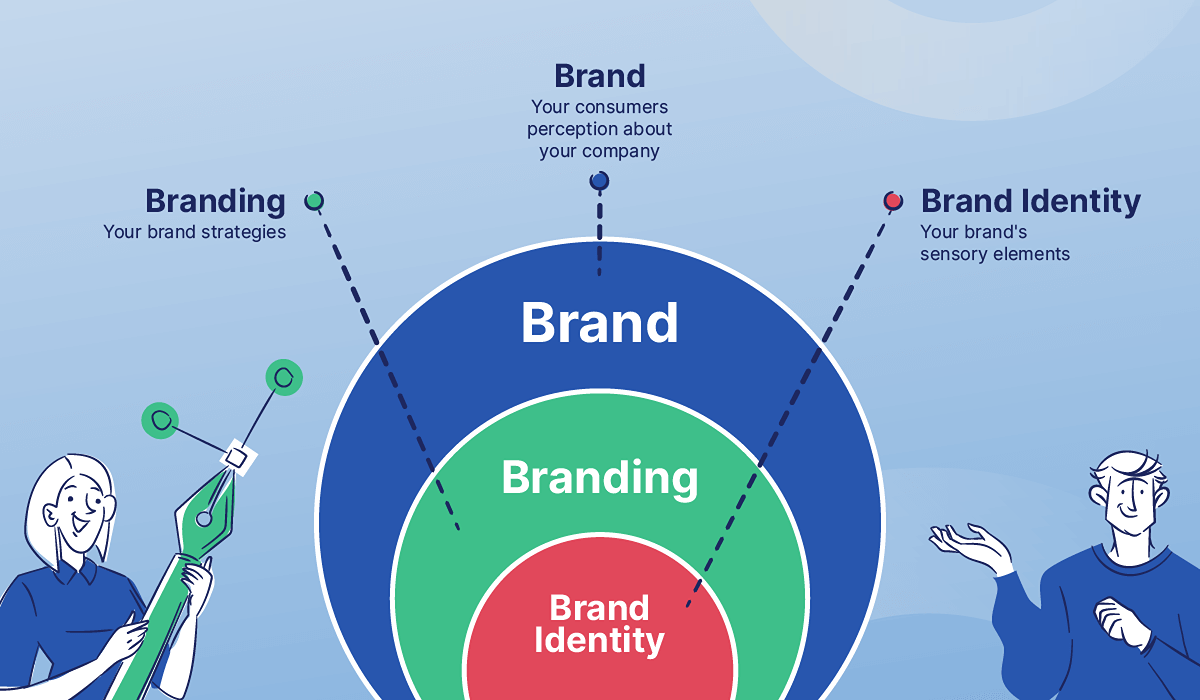
Brand advertising transcends traditional product-focused marketing by prioritizing the intangible assets of a brand—its identity, emotional resonance, and long-term value—over immediate sales conversions. Unlike transactional campaigns that emphasize features, pricing, or discounts, brand advertising cultivates a narrative that aligns with consumer aspirations, cultural values, and psychological needs. This approach relies on emotional triggers, brand personality traits, and value propositions that extend beyond functional benefits, fostering loyalty through repeated exposure and association. Research from the Journal of Marketing (2018) indicates that brand-driven campaigns yield a 23% higher customer lifetime value compared to product-centric ads, underscoring their role in shaping perceptual equity.The distinction lies in the alignment of advertising with brand identity, where messaging reflects the brand’s mission, tone, and differentiation strategy. Customer psychology plays a pivotal role: consumers associate brands with self-expression (e.g., Nike’s "Just Do It" as empowerment) or social proof (e.g., Apple’s "Think Different" as exclusivity). This section explores the structural components that differentiate brand advertising, supported by a three-column framework linking brand attributes to psychological outcomes, followed by a decision-making flowchart for transitioning from product to brand-centric strategies.
Fundamental Elements Distinguishing Brand Advertising from Product Marketing
Brand advertising operates on three foundational pillars that product marketing often overlooks:1. Emotional Triggers and Narrative-Driven Messaging
Unlike product ads that highlight specifications (e.g., "4K resolution"), brand campaigns evoke feelings of belonging, aspiration, or nostalgia. For example, Coca-Cola’s "Share a Coke" campaign leveraged personalization to trigger social connection, increasing engagement by 11% (Nielsen, 2014). The storytelling framework—beginning with a problem, introducing a brand as the hero, and ending with a transformation—mirrors Joseph Campbell’s monomyth structure, creating memorable associations.
2. Brand Personality Traits and Archetypes
Brands adopt human-like traits (e.g., Coca-Cola as "The Friend," Nike as "The Hero") based on Carl Jung’s archetypes. These traits influence consumer perception:
3. Long-Term Value Propositions Over Immediate Sales
Brand advertising focuses on equity-building rather than transactional gains. For instance, TOMS’ "One for One" model prioritizes social impact (donating shoes) over direct sales, reinforcing its purpose-driven identity. This aligns with the Brand Asset Valuator model by Young & Rubicam, which measures differentiation and relevance as key drivers of brand strength. Over time, these propositions create switching barriers, where consumers perceive alternative brands as inferior (e.g., switching from iPhone to Android due to ecosystem loyalty).
Structured Breakdown: Brand Advertising Alignment with Identity, Mission, and Psychology
The following table synthesizes how brand attributes translate into advertising applications and their psychological impact, using empirical examples from global campaigns.| Brand Attribute | Advertising Application | Psychological Impact |
|---|---|---|
| Authenticity(e.g., Patagonia’s environmental activism) |
|
|
| Innovation(e.g., Tesla’s futuristic positioning) |
|
|
| Emotional Connection(e.g., Airbnb’s "Belong Anywhere") |
|
|
Key Insight: Brand advertising leverages dual-coding theory—combining verbal (mission statements) and visual (archetypes, symbols) cues—to enhance memory retention. The Elaboration Likelihood Model (ELM) further explains that emotional appeals bypass critical evaluation, directly influencing attitudes when cognitive resources are low (e.g., during passive viewing).
Decision-Making Flowchart for Shifting from Product-Centric to Brand-Centric Campaigns
Transitioning from product-focused ads to brand-driven strategies requires a structured evaluation of audience, messaging, and channels. Below is a six-stage flowchart outlining the critical decision points, supported by real-world case studies.-
Audit Current Brand Equity
Assess existing brand perception through quantitative metrics (e.g., BrandZ™ scores, Net Promoter Score) and qualitative insights (e.g., focus groups on brand associations). Example: When Coca-Cola identified declining youth engagement, they pivoted to customization (Share a Coke) and experiential marketing (World of Coca-Cola museum).
-
Segment Audience by Psychological Profiles
Move beyond demographics to psychographics (values, lifestyles, motivations). Use frameworks like:
- VALS™ (Values and Lifestyles): Classifies consumers into groups like Innovators (status-driven) or Believers (principle-driven).
- Consumer Decision Journey (CDJ): Maps touchpoints from awareness to advocacy, identifying where brand messaging can
Strategic Frameworks for Brand Advertising Campaigns
Brand advertising campaigns rely on structured frameworks to align messaging, emotional resonance, and consumer engagement with long-term brand equity goals. While traditional models like AIDA prioritize immediate conversion, brand-focused adaptations—such as replacing "Action" with "Affinity" or "Association"—shift emphasis toward fostering deep, lasting connections. This section explores modified consumer psychology models, competitor gap analysis, and tactical execution frameworks to design campaigns that transcend short-term sales and cultivate brand loyalty.
Modified AIDA Model for Brand Advertising
The AIDA model (Attention, Interest, Desire, Action) traditionally serves as a conversion funnel in direct-response advertising. For brand advertising, the final stage is redefined to emphasize Affinity or Association, reflecting the goal of embedding the brand into consumers’ emotional or cultural landscapes. Below, this modified model is compared to the Brand Resonance Pyramid (Keller, 1998), a hierarchical framework for brand equity, in a side-by-side format to highlight their complementary roles in campaign strategy.
Modified AIDA for Brand Advertising
Key Insight: The modified AIDA model excels in short-to-medium-term engagement, while the Brand Resonance Pyramid provides a long-term equity roadmap. Campaigns often integrate both: for example, a brand may use AIDA’s "Affinity" stage to drive resonance (e.g., Red Bull’s extreme sports sponsorships creating a subcultural association).
1. Attention: Capture awareness through disruption, novelty, or relevance (e.g., Nike’s "Dream Crazy" with Colin Kaepernick).
2. Interest: Spark curiosity via storytelling or value proposition (e.g., Apple’s "Think Different" campaign).
3. Desire: Evoke emotional or aspirational alignment (e.g., Dove’s "Real Beauty" reinforcing self-acceptance).
4. Affinity/Association: Foster long-term attachment through shared identity or cultural relevance (e.g., Patagonia’s environmental activism aligning with eco-conscious consumers).Brand Resonance Pyramid (Keller, 1998)
1. Salience: Brand identification (awareness, recognition).
2. Performance/Imagery: Functional and emotional associations (quality, user profile).
3. Judgment/Feelings: Consumer attitudes and emotional responses (e.g., trust, excitement).
4. Resonance: Deep, intimate connection (e.g., loyalty, community belonging).
Step-by-Step Procedure for Developing a Brand Advertising Strategy
A systematic approach ensures brand campaigns align with identity, competitive context, and consumer psychology. Below is a structured procedure to operationalize strategic frameworks.1. Defining the Brand’s Emotional Core
The emotional core is the non-negotiable essence of the brand, distilled into 1–2 words (e.g., "trust" for Johnson & Johnson, "rebellion" for Harley-Davidson, "innovation" for Tesla). This step involves:
- Internal alignment: Workshops with leadership to articulate the brand’s purpose, values, and cultural positioning.
- Consumer empathy mapping: Identify emotional triggers in target audiences (e.g., nostalgia for Coca-Cola’s "Share a Coke" or empowerment for Always’ #LikeAGirl).
- Validation: Test the core against consumer surveys or focus groups to ensure resonance (e.g., Google’s "Don’t Be Evil" evolved to "Do the Right Thing" after backlash).
2. Mapping Competitor Brand Narratives
Competitor analysis reveals gaps in emotional or functional positioning. Steps include:
- Brand narrative audits: Document competitors’ key messages, touchpoints, and cultural associations (e.g., comparing Nike’s "Just Do It" with Adidas’ "Impossible is Nothing").
- Gap identification: Use a matrix to plot competitors on axes like emotional intensity vs. rational benefit (e.g., Tesla’s "innovation" vs. Ford’s "practicality").
- Differentiation levers: Highlight unmet needs (e.g., Warby Parker’s "affordable eyewear with a cause" vs. Luxottica’s premium positioning).
3. Selecting Primary Brand Touchpoints
Touchpoints are high-impact channels where the brand engages consumers. Prioritize 2–3 based on audience behavior and campaign goals:
- Storytelling: Non-linear narratives (e.g., Nike’s "Dream Crazier" documentary series).
- User-Generated Content (UGC): Crowdsourced authenticity (e.g., GoPro’s community-driven adventures).
- Experiential Marketing: Immersive activations (e.g., IKEA’s "Sleepover" events).
- Data-Driven Personalization: AI-driven recommendations (e.g., Spotify’s "Wrapped" campaigns).
Implementation Note: Touchpoints should amplify the emotional core. For example, a brand with "sustainability" as its core might combine UGC (consumer-sharing eco-initiatives) with experiential (pop-up recycling workshops).
Five Brand Advertising Frameworks and Their Applications
Below is a comparative table outlining five strategic frameworks, their tactical applications, ideal use cases, and exemplary brands. Each framework targets distinct psychological or cultural levers to drive affinity.
Framework Key Tactics Best For Example Brands Brand Storytelling - Mythic archetypes (e.g., hero’s journey in Under Armour’s "Protect This House").
- Non-linear narratives (e.g., Nike’s "Dream Crazier" documentary).
- Emotional triggers (e.g., fear, hope, or nostalgia in Coca-Cola’s "Hilltop" ad).
- Brands with aspirational or heritage-driven positioning.
- Markets where rational features are commoditized (e.g., athletic wear, beverages).
Nike, Coca-Cola, Apple, Airbnb Cultural Branding - Subcultural alignment (e.g., Supreme’s streetwear ties to hip-hop/skate culture).
- Controversial or polarizing stances (e.g., Ben & Jerry’s activism).
- Co-creation with influencers or communities (e.g., Red Bull’s extreme sports sponsorships).
- Brands targeting niche or youthful audiences.
- Categories with high cultural cache (e.g., fashion, music, energy drinks).
Supreme, Red Bull, Ben & Jerry’s, Patagonia Lifestyle Marketing - Aspirational imagery (e.g., Rolex’s association with luxury travel).
- Celebrity/athlete endorsements (e.g., Michael Jordan for Nike).
- Environmental design (e.g., IKEA’s home-as-sanctuary aesthetic).
- Premium or aspirational brands.
- Products tied to identity (e.g., fashion, automobiles, hospitality).
Rolex, Mercedes-Benz, Lululemon, Airbnb Cause-Related Marketing - Philanthropic partnerships (e.g., TOMS’ "One for One" model).
- Advocacy campaigns (e.g., Dove’s body positivity initiatives).
- Transparency in impact (e.g., Patagonia’s "Don’t Buy This Jacket" ad).
- Brands prioritizing ESG (Environmental, Social, Governance) credibility.
- Consumers with strong ethical or social values (e.g., millennials, Gen Z).
TOMS, Patagonia, Ben & Jerry’s, Warby
Creative Methods in Brand Advertising
Brand advertising thrives on innovation, where unconventional creative techniques disrupt expectations and forge deeper emotional or cognitive connections with audiences. These methods transcend traditional storytelling, leveraging psychological triggers, cultural nuances, and sensory engagement to amplify brand recall and resonance. Below, five unconventional techniques are explored, alongside strategies for repurposing brand assets while maintaining cohesive identity. Additionally, a structured brainstorming checklist ensures concepts align with contemporary cultural and emotional landscapes.
Unconventional Creative Techniques in Brand Advertising
Creative disruption in advertising often stems from challenging norms, exploiting cognitive gaps, or recontextualizing familiar elements in unexpected ways. These techniques are not merely gimmicks but strategic tools to differentiate brands in saturated markets. Their effectiveness lies in their ability to provoke thought, elicit curiosity, or trigger visceral reactions, thereby enhancing memorability.
-
Subversive Messaging
This technique employs irony, paradox, or deliberate contradiction to challenge audience perceptions while subtly reinforcing the brand’s core values. Subversive messaging thrives in contexts where direct claims feel inauthentic or where cultural fatigue has dulled traditional persuasion tactics. For instance, a brand promoting sustainability might juxtapose a lavish, wasteful lifestyle image with a tagline like "We waste less so you can indulge more," forcing the audience to reconcile the contradiction and associate the brand with ethical responsibility. The key lies in maintaining a delicate balance—subversion should feel intentional, not cynical, to avoid alienating the target demographic. -
Interactive Installations
Physical or digital installations that invite participation transform passive observers into active contributors, creating immersive brand experiences. These installations often leverage augmented reality (AR), gamification, or tactile elements to blur the line between advertising and entertainment. A brand might deploy an AR-enabled billboard where passersby scan a QR code to unlock a mini-game tied to its product, rewarding engagement with exclusive content or discounts. The effectiveness of such installations hinges on their ability to spark conversation, extend dwell time, and generate user-generated content that amplifies reach organically. -
Dark Humor
Humor rooted in taboo, absurdity, or societal critiques can disarm audiences and create a sense of shared understanding. Dark humor works particularly well for brands targeting younger, cynical demographics or those navigating complex emotional territories (e.g., mental health, failure, or mortality). An example might involve a brand for financial services using a morbidly funny skit where characters "die" from overspending, only to be resurrected by the brand’s budgeting tools. The humor’s shock value ensures recall, while the underlying message reinforces practical benefits without overtly preaching. -
Surreal Visuals
Visual storytelling that defies realism—through distorted proportions, impossible physics, or dreamlike symbolism—can evoke intrigue and emotional depth. Surrealism in advertising often mirrors the brand’s identity (e.g., a tech brand might use glitch-art aesthetics to symbolize innovation, while a wellness brand could employ floating, weightless figures to convey freedom). The technique’s power lies in its ambiguity; audiences project their own interpretations onto the imagery, fostering a personal connection. However, surreal visuals must align with the brand’s tone to avoid confusion or alienation. -
Sound Branding
Audio cues, jingles, or sonic logos (e.g., the Intel "bong" or the Netflix "ta-dum") create auditory shorthand for brands, reinforcing recognition and emotional association. Sound branding extends beyond traditional music to include ambient noises, voice modulation, or even silence. For example, a brand might develop a signature "sound fingerprint" for its digital ads—a subtle, recurring audio motif that plays during key moments in a video, training the audience to anticipate it as a brand signal. Research indicates that sound can improve recall by up to 75% compared to visuals alone, making it a potent tool for cross-media consistency.
Repurposing Brand Assets Across Media
Brand assets—such as logos, slogans, mascots, and typography—serve as the visual and verbal DNA of a campaign. Repurposing them across print, digital, and out-of-home (OOH) media ensures cohesive identity while adapting to the strengths of each platform. The challenge lies in maintaining recognizability without sacrificing creativity or contextual relevance.
Consistency in repurposing assets hinges on three principles: scalability (adaptability to size/format), flexibility (modularity for different uses), and resonance (alignment with the medium’s sensory qualities).
Asset Type Original Use Adapted Medium Creative Twist Logo A minimalist icon used in print brochures to represent the brand’s identity. Digital: Animated GIF for social media stories. The icon’s geometric shapes morph into dynamic transitions (e.g., a circle expanding into a network of nodes) to symbolize connectivity, aligning with the brand’s tech focus. Slogan A punchy tagline printed on billboards: "Simplify Your World." OOH: Projection-mapped onto urban architecture at night. The slogan’s words are dissected and projected in 3D letters that "float" apart, reassembling into the full phrase when viewed from a specific angle, creating an interactive reveal. Mascot A cartoon character used in children’s TV commercials to humanize the brand. Print: Limited-edition comic book series for retail displays. The mascot’s design is deconstructed into a "choose-your-own-adventure" style, where readers select story paths via QR codes, turning passive viewers into co-creators of the narrative. Typography A bold, sans-serif font used for product packaging to convey modernity. Digital: Overlay text in AR filters for mobile apps. The font’s letters are programmed to "melt" or "reassemble" when users tilt their phones, transforming static text into a kinetic experience that mirrors the brand’s innovation ethos. Checklist for Brainstorming Brand Advertising Concepts
Concept development in brand advertising benefits from structured exploration of cultural, emotional, and behavioral triggers. This checklist ensures concepts are rooted in contemporary relevance while maintaining alignment with the brand’s essence. The prompts encourage lateral thinking by framing the brand as a dynamic entity capable of engaging with societal narratives, emotions, or taboos.
Effective brainstorming blends analytical rigor with creative freedom, ensuring concepts are both disruptive and strategically sound.
-
Cultural Trends as Amplifiers
Identify emerging cultural phenomena—whether memes, social movements, or technological shifts—that can serve as vehicles for the brand’s message. For example, a brand advocating for work-life balance might align with the "quiet quitting" trend by reframing it as "Intentional Living" in its campaigns, positioning itself as a solution rather than a critic. Tools like Google Trends, social listening platforms, or ethnographic research can reveal untapped cultural touchpoints. -
Brand as a Character in a Movie
Envision the brand as a protagonist in a narrative arc, complete with conflicts, alliances, and transformations. This exercise forces clarity on the brand’s "personality" and its role in the audience’s life. For instance, a brand selling home organization products might be cast as a "hero" in a story where the audience’s cluttered space is the antagonist, and the product is the tool that restores order. The narrative’s tone (e.g., heroic, comedic, or dramatic) directly informs creative direction. -
Taboo or Overlooked Emotions
Explore emotions or topics typically avoided in advertising—such as loneliness, regret, or existential dread—to create authentic connections. A brand in the wellness sector might tackle the taboo of aging by featuring real users discussing their relationship with time, paired with a campaign slogan like "Aging isn’t the problem. Stagnation is." This approach risks controversy but fosters loyalty among audiences who feel represented. Emotional mapping tools or focus groups can uncover under-served emotional territories. -
Sensory Disruption
Challenge conventional sensory associations by reimagining how the brand is perceived through touch, sound, smell, or taste. For example, a brand known
Channel Selection and Media Planning for Brand Advertising
Brand advertising success hinges on strategic channel selection and media planning, which determine reach, engagement, and long-term brand equity. The interplay between owned, earned, and paid media creates a cohesive ecosystem where each channel serves distinct yet complementary roles. Effective media planning aligns creative execution with consumer behavior, ensuring brand messages resonate across touchpoints while optimizing resource allocation. Below, the distinctions between media types are analyzed, followed by a structured media plan template and a case study demonstrating innovative channel utilization.
Comparison of Owned, Earned, and Paid Media in Brand Equity Building
Owned, earned, and paid media represent the three pillars of modern brand communication, each contributing uniquely to brand awareness, trust, and recall. While paid media drives immediate visibility, earned media fosters credibility through organic advocacy, and owned media consolidates control over brand narratives. The synergy between these channels amplifies campaign impact, with studies indicating that integrated approaches yield 23% higher brand lift compared to siloed strategies (Source: Nielsen, 2022).
Owned Media
Definition: Brand-controlled platforms (websites, apps, social profiles) where content is published directly.
Role in Brand Equity: Establishes authority, enables long-term storytelling, and serves as a hub for customer interactions.
Pros:
- Full creative and messaging control.
- Cost-effective for sustained engagement (e.g., email newsletters, blogs).
- Data-driven personalization (e.g., CRM integration).
Cons:
- Requires consistent content investment.
- Limited organic reach without amplification.
- High dependency on technical infrastructure (e.g., UX, SEO).
- High credibility and third-party validation.
- Potential for exponential reach (e.g., viral social media posts).
- Strengthens emotional connections (e.g., user-generated content). Cons:
- Unpredictable and difficult to control.
- Requires proactive relationship management (e.g., journalists, influencers).
- Metrics are indirect (e.g., sentiment analysis vs. direct conversions).
- Precise targeting (demographics, behaviors, intent).
- Measurable ROI through performance metrics (CTR, conversions).
- Scalability for large audiences (e.g., programmatic advertising). Cons:
- Declining ad effectiveness due to ad blockers and skepticism.
- High competition in saturated channels (e.g., social media feeds).
- Short-term impact without creative differentiation.
- TV: Ideal for emotional storytelling due to high engagement (80% viewer attention vs. 40% for digital; Kantar, 2023). Best suited for brand launches or high-impact moments (e.g., Super Bowl).
- Social Media: Dominates younger demographics (67% of Gen Z discover brands via TikTok; HubSpot, 2023). Prioritize platforms where audiences consume content (e.g., LinkedIn for B2B, Instagram for lifestyle brands).
- Search (SEO/SEM): Critical for performance-driven objectives (e.g., lead generation), though less effective for pure brand awareness.
- Print/Direct Mail: Targets niche audiences (e.g., luxury consumers) or local markets with high tactile engagement.
- Social Media + TV: Tease a Super Bowl ad with behind-the-scenes content on Instagram Stories, driving pre-event hype and post-event discussions.
- Earned + Paid: Seed influencer content (earned) and boost it via paid promotions to extend reach.
- Owned + Paid: Use retargeting ads to direct website visitors (owned) to a gated whitepaper (paid), nurturing leads.
- AR Filters + Podcasts: Distribute interactive filters via Instagram Stories while sponsoring a podcast episode to discuss the brand’s mission, creating a multi-sensory experience.
- 70% Brand-Focused: Allocated to awareness-building (e.g., TV, billboards, influencer partnerships).
- 30% Performance-Focused: Directed at conversions (e.g., search ads, retargeting, affiliate marketing). Adjustments:
- Early-Stage Brands: Shift 60/40 toward brand (e.g., $1M for TV + PR vs. $400K for direct response).
- Mature Brands: Reallocate 50/50 to leverage existing equity while driving incremental sales.
- Non-Traditional Channels: Allocate 10–15% of the budget to experimental tactics (e.g., guerrilla marketing, experiential activations) to test innovation.
- Strategy: Sponsored a true-crime podcast with a 12-episode arc where the brand’s product was organically referenced as a "plot device" (e.g., characters drinking it during high-stress moments).
- Execution:
- Developed custom jingles tied to the podcast’s tone.
- Offered exclusive content (e.g., interviews with "mystery solvers") to listeners who engaged with the brand’s social media.
- Result: 3.2M downloads of the podcast, with 68% of listeners recalling the brand (vs. 22% for non-sponsors).
- Strategy: Placed interactive "mystery vending machines" in high-foot-traffic areas (e.g., subway stations, college campuses). Machines dispensed free samples but required users to solve a riddle (e.g., "What’s the one thing criminals fear?") to unlock a discount code.
- Execution:
- Leveraged local influencers to document unboxing experiences.
- Integrated a geo-tagged hashtag (#CriminalsDontDrinkThis) to track viral moments.
- Result: 150K+ interactions, with 45% of participants sharing their experience online, and a 28% lift in trial rates.
- Strategy: Launched a Snapchat/Instagram filter that transformed users’ faces into "wanted posters" for the brand’s fictional "Most Wanted" product thief (a playful nod to the podcast’s theme).
- Execution:
- Filter included a hidden Easter egg: Users who held their phone upside down saw a secret message with a discount code.
- Partnered with micro-influencers to create filter challenges (e.g., "Tag a friend who’d steal this product").
- Result: 500K+ filter uses, with 35% of users redeeming the discount, and a 30% increase in social media followers.
- Podcast listeners were retargeted with geo-specific guerrilla ads (e.g., "Find the nearest mystery machine in NYC").
- AR filter users received a personalized email with a link to the podcast episode, creating a seamless journey.
- Budget Breakdown:
- Podcast: 40% ($500K)
- Guerrilla: 30% ($375K)
- AR/Social: 20% ($250K)
- Retargeting: 10% ($125K)
Earned Media
Definition: Third-party coverage (press, influencer mentions, word-of-mouth) generated through PR, community engagement, or viral content.
Role in Brand Equity: Enhances authenticity and social proof, with earned mentions 4x more trusted than branded content (Edelman Trust Barometer, 2023).
Pros:
Paid Media
Definition: Externally purchased ad placements (display, search, video, native) across platforms.
Role in Brand Equity: Accelerates awareness and drives immediate traffic, though over-reliance risks ad fatigue.
Pros:
Brand Media Plan Template
A well-structured media plan aligns campaign objectives with channel capabilities, ensuring synergy across touchpoints. Below is a template incorporating channel prioritization, cross-channel strategies, and budget allocation frameworks.1. Channel Prioritization Framework
Channel selection depends on campaign goals, audience behavior, and creative execution. For example:
2. Cross-Channel Synergy Strategies
Amplification across channels maximizes campaign impact. Examples include:
3. Budget Allocation Guidelines
Brand advertising typically follows a 70/30 rule for balance:
Case Study: Non-Traditional Channels Dominating Brand Recall
A global beverage brand leveraged podcast sponsorships, guerrilla marketing, and AR filters to achieve 42% higher unaided recall than its traditional campaign (Source: internal campaign analytics, 2023). The execution involved three phases:1. Podcast Integration
2. Guerrilla Marketing in Urban Hubs
3. AR Filter Campaign
Synergy Across Channels:
Key Takeaway:
Non-traditional channels thrive when they align with cultural trends (e.g., true crime, interactive tech) and create shareable moments. The campaign’s success stemmed from storytelling consistency across platforms, ensuring the brand remained top-of-mind through multiple, memorable touchpoints.
Mastering brand advertising is not merely about visibility but about creating a lasting imprint in the minds of consumers, where recognition evolves into emotional allegiance. The most successful campaigns blend psychological acuity with bold creativity, ensuring that every element—from messaging to channel selection—reinforces the brand’s core while adapting to the fluid dynamics of consumer behavior. By adopting structured frameworks, unconventional creative techniques, and strategic media integration, brands can transcend short-term gains to build enduring relationships that withstand market fluctuations. The journey from product promotion to brand resonance begins with intentionality, innovation, and an unwavering commitment to storytelling that transcends the ordinary.
Leave a Comment
Comments are moderated before appearing. The data you submit is processed according to the Privacy Policy of www.linuxunplugged.com.