bmi calculator for men essential guide and practical insights
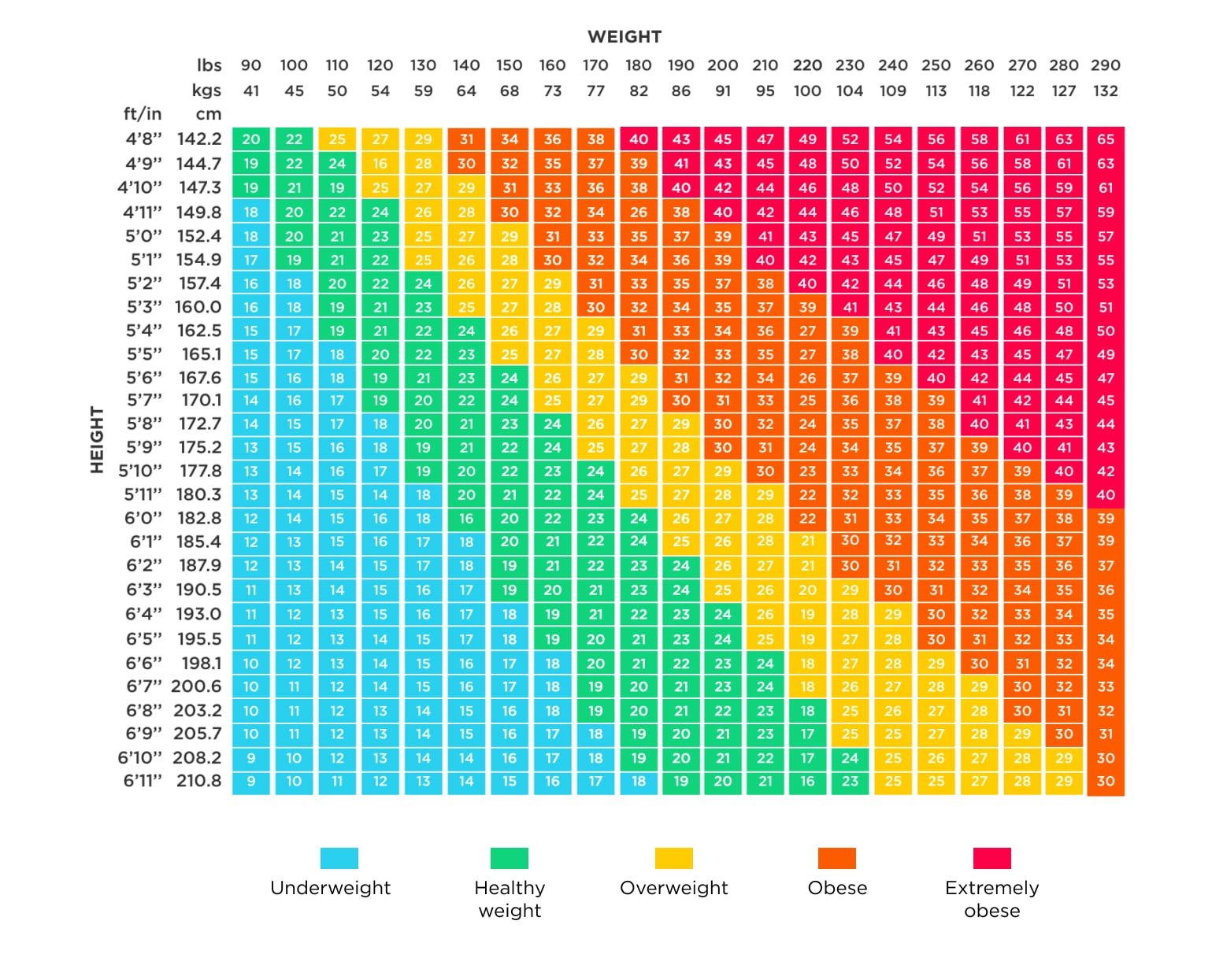
Table of Contents
- Understanding BMI and Its Relevance for Men
- BMI Calculation Formula and Components
- BMI Categories for Men and Associated Health Implications
- Limitations of BMI: Muscle Mass vs. Body Fat in Athletic or Muscular Men
- Step-by-Step BMI Calculation Methods for Men
- Manual BMI Calculation Using Imperial Units
- Using an Online BMI Calculator with Input Validation
- Comparison of Three Popular BMI Calculators
- Practical Applications of BMI for Men’s Health
- BMI and Key Male Health Markers
- Fitness Goals and BMI-Adjusted Target Ranges
- BMI in External Systems: Insurance, Military, and Workplace Advanced Considerations: BMI Beyond the Basics Body Mass Index (BMI) serves as a foundational metric for assessing body composition and associated health risks, yet its limitations become apparent when applied universally without context. While BMI provides a standardized framework for categorizing weight relative to height, alternative metrics—such as waist-to-height ratio (WHtR) and body fat percentage—offer nuanced insights into visceral fat distribution and metabolic health. Additionally, lifestyle factors, anatomical variations, and ethnic/genetic differences can significantly influence BMI interpretation. This section explores these advanced considerations to refine health assessments for men, ensuring a more accurate and personalized approach. BMI’s reliance on weight and height alone fails to account for muscle mass, bone density, or fat distribution, which are critical in determining cardiovascular and metabolic risks. For instance, a man with high muscle mass may be misclassified as overweight, while another with excess visceral fat may appear within a "normal" BMI range but face elevated disease risks. Recognizing these gaps is essential for clinicians, fitness professionals, and individuals seeking to optimize health beyond weight alone. Comparison of BMI with Alternative Body Composition Metrics
- Six Lifestyle Factors Independently Influencing BMI Results
- Calculating BMI for Men with Amputations or Disabilities
- Ethnic and Genetic Variations in BMI Health Thresholds
- Tools and Resources for BMI Management in Men’s Health
- Offline Tools Integrating BMI with Health Metrics
- Building a Custom BMI Calculator in Python/JavaScript
- File: bmi_calculator.py
Body Mass Index (BMI) serves as a foundational metric for assessing men’s health, offering critical insights into weight-related risks and lifestyle adjustments. While widely adopted, its application requires nuanced understanding—particularly for athletic individuals, those with disabilities, or men navigating ethnic-specific health thresholds. This guide dissects the science behind BMI calculation, explores its limitations, and bridges theory with actionable tools, from manual computations to advanced tracking systems. By integrating empirical data with real-world applications, it equips readers to interpret BMI trends, align health goals with classification ranges, and leverage technology for sustained wellness.
The relevance of BMI extends beyond clinical settings, influencing insurance assessments, military standards, and workplace wellness programs. However, its effectiveness hinges on contextual interpretation—whether adjusting for muscle mass, accounting for genetic variations, or combining it with alternative metrics like waist-to-height ratios. This resource demystifies the process, from basic formulas to customized calculators, ensuring men can make informed decisions about their health trajectory with precision and confidence.
Understanding BMI and Its Relevance for Men
The Body Mass Index (BMI) serves as a widely used screening tool to assess whether an individual’s weight falls within a healthy range relative to their height. For men, BMI provides a baseline metric for identifying potential health risks associated with underweight, normal, overweight, or obese classifications. While not a diagnostic tool on its own, BMI helps clinicians and individuals gauge whether further evaluation—such as body composition analysis or medical testing—may be necessary. The metric is derived from a simple yet mathematically robust formula, making it accessible for self-assessment and preliminary health monitoring.BMI calculations are grounded in the principle that weight and height are key indicators of overall health, particularly in relation to fat distribution and metabolic function. The formula accounts for variations in body size across populations, though it does not distinguish between fat, muscle, or bone density. For men, understanding BMI ranges and their implications is critical, as excess body fat—especially visceral fat—is linked to increased risks of cardiovascular disease, type 2 diabetes, and joint stress. Conversely, underweight status may indicate malnutrition or underlying health conditions requiring intervention.
BMI Calculation Formula and Components
The BMI formula is expressed as:BMI = weight (kg) / [height (m)]²To apply this formula, the following steps must be followed with precision:
1. Convert weight to kilograms: If measured in pounds (lbs), divide by 2.2046 to obtain the equivalent in kilograms (e.g., 180 lbs ÷ 2.2046 ≈ 81.65 kg).
2. Convert height to meters: If measured in inches or feet, convert to centimeters first, then to meters (e.g., 5 feet 10 inches = 177.8 cm = 1.778 m).
3. Square the height: Multiply the height in meters by itself (e.g., 1.778 m × 1.778 m ≈ 3.161 m²).
4. Divide weight by squared height: Use the results from steps 1 and 3 to compute BMI (e.g., 81.65 kg ÷ 3.161 m² ≈ 25.83).
For example, a man weighing 85 kg and standing 1.80 m tall would calculate his BMI as:
85 kg / (1.80 m × 1.80 m) = 85 / 3.24 ≈ 26.23This places him in the overweight category, warranting lifestyle adjustments to mitigate health risks.
BMI Categories for Men and Associated Health Implications
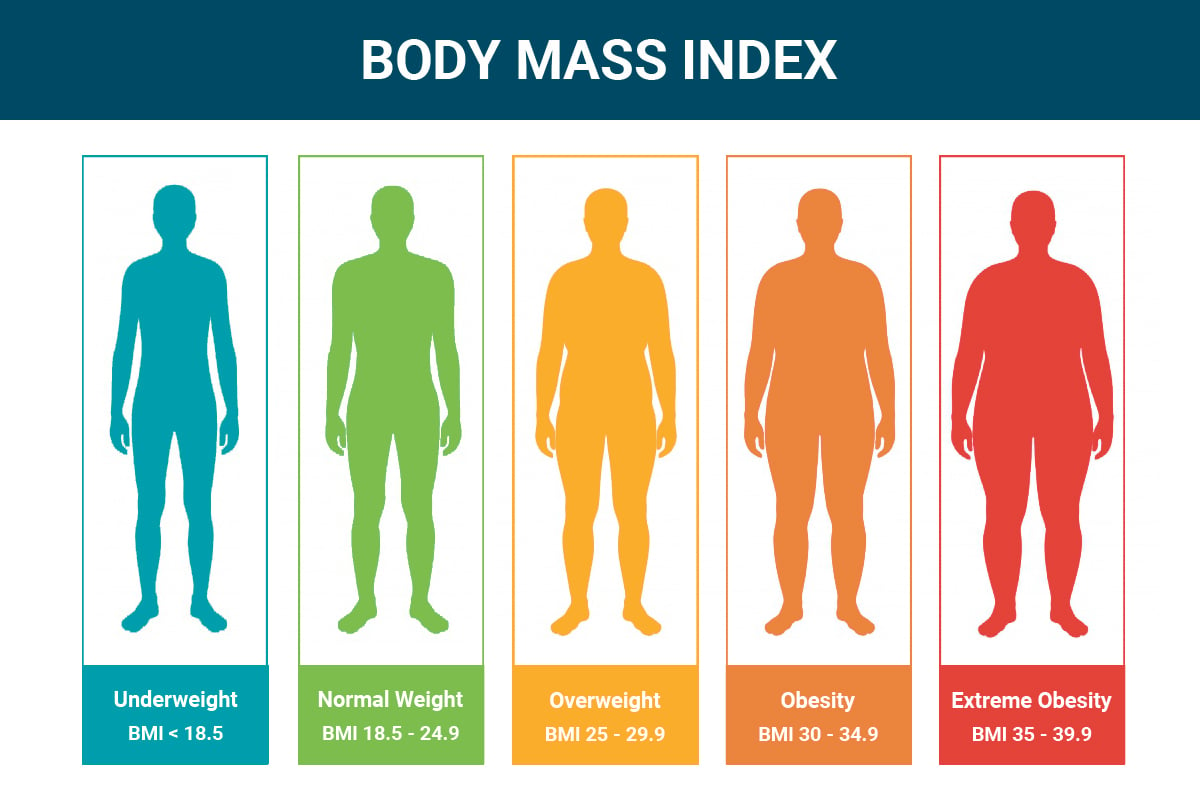
BMI classifications for men aged 20–50 align with global health standards, though individual variations—such as age, ethnicity, and muscle mass—may influence risk profiles. The following table summarizes BMI ranges, weight classifications, health risks, and recommended lifestyle adjustments:| BMI Range | Weight Classification | Health Risks | Lifestyle Adjustments for Men (Aged 20–50) |
|---|---|---|---|
| <18.5 | Underweight |
|
|
| 18.5–24.9 | Normal weight |
|
|
| 25.0–29.9 | Overweight |
|
|
| ≥30.0 | Obese (Class I: 30–34.9; Class II: 35–39.9; Class III: ≥40) |
|
|
Limitations of BMI: Muscle Mass vs. Body Fat in Athletic or Muscular Men
BMI’s reliance solely on weight and height fails to account for body composition, a critical distinction for men with high muscle mass or athletic builds. For example:BMI does not differentiate between lean mass (muscle, bone
Step-by-Step BMI Calculation Methods for Men
Body Mass Index (BMI) is a widely used metric for assessing weight status relative to height, particularly in men, where muscle mass and body composition can influence interpretation. Manual calculations using imperial units (pounds and inches) require precise conversions to ensure accuracy, while digital tools streamline the process with built-in validations. Understanding both methods—manual and digital—enables individuals to cross-verify results and identify potential discrepancies, such as overestimation due to high muscle mass or underestimation in older adults with age-related muscle loss.The following sections outline the procedural steps for manual calculations, guidelines for using online calculators with input validation, and a comparative analysis of three prominent BMI assessment tools. Additionally, tracking BMI trends over time and maintaining a structured log are critical for monitoring long-term health progress.
Manual BMI Calculation Using Imperial Units
The BMI formula for imperial units converts height in inches and weight in pounds into a metric equivalent for standardized assessment. The process involves three key steps: converting height to meters, converting weight to kilograms, and applying the BMI formula. For men, this method is particularly useful when precise measurements are required, such as in clinical or research settings where digital tools may not be available.Formula for BMI in Imperial Units:
BMI = (Weight in pounds / (Height in inches × Height in inches)) × 703Step-by-Step Procedure:
1. Measure Height in Inches
Use a stadiometer or tape measure to record height without shoes, rounded to the nearest 0.1 inch. For example, a man measuring 68.5 inches (5 feet 8.5 inches) would use this value directly.2. Record Weight in Pounds
Weigh yourself on a calibrated scale after fasting and without heavy clothing, rounding to the nearest 0.1 pound. An example weight of 180.2 pounds is used for calculation.3. Apply the Conversion Formula
Substitute the height and weight values into the formula:BMI = (180.2 / (68.5 × 68.5)) × 703 ≈ 26.8This result falls within the "overweight" category (25.0–29.9) according to the CDC classification.4. Cross-Reference with Metric Units (Optional)
For additional verification, convert the imperial measurements to metric:
Height: 68.5 inches × 0.0254 = 1.74 meters Weight: 180.2 pounds × 0.453592 = 81.73 kilograms Apply the metric BMI formula:BMI = 81.73 / (1.74 × 1.74) ≈ 26.8The consistency between both methods confirms accuracy.Considerations for Men:
Muscle Mass Adjustment: Men with high muscle mass (e.g., athletes) may have a BMI in the "overweight" range despite low body fat. Waist circumference measurements or body fat percentage tests provide additional context. Age-Related Changes: Older men may experience muscle loss (sarcopenia), leading to an underestimation of BMI. In such cases, waist-to-height ratio or skinfold calipers offer better insights. Using an Online BMI Calculator with Input Validation
Online BMI calculators automate the calculation process while incorporating input validations to ensure plausible results. These tools typically include checks for extreme values (e.g., height < 4 feet or > 8 feet) and provide additional features like waist circumference integration or activity-level adjustments. Proper validation steps minimize errors, such as entering height in pounds or weight in inches, which could yield nonsensical results.Procedure for Online BMI Calculator Usage:
1. Select a Reputable Tool
Choose a calculator from trusted sources such as government health agencies (e.g., NIH, CDC) or certified health platforms. Avoid tools with excessive advertisements or no clear methodology.2. Enter Height and Weight
Height: Input in inches or feet/inches (e.g., 5’8” = 68 inches). Weight: Input in pounds (e.g., 180 lbs). Validation Check: Ensure the height and weight fall within biologically plausible ranges (e.g., height 48–84 inches for adult men; weight 90–400 lbs for average builds). 3. Optional Inputs for Enhanced Accuracy
Waist Circumference: Measured at the narrowest point between the ribs and hips (e.g., 38 inches). Tools like the NIH calculator use this to assess visceral fat risk. Activity Level: Some calculators adjust BMI interpretation based on physical activity (e.g., sedentary, moderately active, highly active). This accounts for muscle mass variations. Age and Gender: While BMI is gender-neutral, some tools apply age-specific thresholds (e.g., older adults may have higher acceptable BMI ranges). 4. Review and Interpret Results
BMI Category: The tool will classify the result (underweight, normal, overweight, obese) based on standard thresholds. Health Risks: Some calculators provide risk assessments (e.g., "increased risk of heart disease" for BMI ≥ 30). Trend Analysis: Advanced tools may offer historical tracking or comparisons to population averages. Example Validation Scenarios:
Invalid Input: Entering a height of 36 inches (3 feet) or weight of 500 lbs triggers an error message prompting re-entry. Plausible but High-Muscle Mass: A 6’2” (74-inch) man weighing 220 lbs with a waist circumference of 34 inches may receive a BMI of 27.1 ("overweight") but a low visceral fat risk due to the waist measurement. Comparison of Three Popular BMI Calculators
The selection of a BMI calculator depends on the specific needs of the user, such as integration of additional health metrics or alignment with clinical guidelines. Below is a side-by-side comparison of three widely used tools: the National Institutes of Health (NIH) Body Weight Planner, the Centers for Disease Control and Prevention (CDC) BMI Calculator, and MyFitnessPal’s BMI Calculator. Each tool offers unique features tailored to different user groups, from general health monitoring to specialized assessments.
Feature NIH Body Weight Planner CDC BMI Calculator MyFitnessPal BMI Calculator Primary Use Case Weight management and long-term goal setting with activity adjustments. Standard BMI classification with waist circumference integration for visceral fat assessment. Fitness tracking with BMI, body fat percentage, and activity-level correlations. Input Requirements Height (inches/feet), weight (pounds), age, gender, activity level (sedentary to highly active). Height (inches/feet), weight (pounds), optional waist circumference (inches). Height (metric/imperial), weight (metric/imperial), optional body fat percentage or muscle mass inputs. Unique Features
- Customizable weight loss goals with timeframes (e.g., 6 months, 1 year).
- Activity-level adjustments to estimate caloric needs.
- Graphical progress tracking over time.
- Waist circumference input to assess abdominal obesity risk.
- BMI-for-age percentiles for adolescents (separate from adult calculator).
- Links to CDC health resources and risk factor explanations.
- Integration with fitness apps (e.g., syncs with Apple Health, Fitbit).
- Body fat percentage and muscle mass estimates (requires manual input or connected devices).
- Macronutrient and calorie tracking extensions.
BMI Classification Thresholds Standard CDC thresholds with activity-level modifiers for interpretation. Standard CDC thresholds (underweight: <18.5, normal: 18.5–24.9, overweight: 25–29.9, obese: ≥30). Practical Applications of BMI for Men’s Health
Body Mass Index (BMI) serves as a foundational metric for assessing health risks in men, correlating with physiological markers such as cardiovascular health, metabolic function, and longevity. Research indicates that BMI is strongly associated with blood pressure regulation, lipid profiles, and insulin sensitivity, making it a practical tool for early risk stratification. While BMI alone does not account for muscle mass or fat distribution, its clinical utility lies in identifying populations requiring further evaluation, such as those with obesity-related comorbidities. Below, the relationship between BMI and key male health indicators is explored, followed by actionable fitness goals and external applications like insurance and military standards.
BMI and Key Male Health Markers
BMI exhibits a dose-response relationship with several critical health parameters in men, as documented in epidemiological studies. For instance, a meta-analysis published in The Lancet (2016) revealed that men with a BMI ≥30 kg/m² had a 40% higher risk of hypertension compared to those with a BMI between 18.5–24.9 kg/m². Similarly, cholesterol dysregulation—particularly elevated LDL ("bad" cholesterol) and triglycerides—is more prevalent in men with higher BMI, with a study in Journal of Clinical Endocrinology & Metabolism (2018) showing a 2.5-fold increase in metabolic syndrome risk for men with BMI ≥35 kg/m².Diabetes risk also escalates with increasing BMI. The Framingham Heart Study (2013) found that men with a BMI of 25–29.9 kg/m² had a 2.5x higher likelihood of developing type 2 diabetes, while those with BMI ≥30 kg/m² faced a 5x greater risk. Additionally, prostate cancer risk exhibits a non-linear association with BMI; moderate overweight (BMI 25–29.9) may confer slight protective effects, whereas severe obesity (BMI ≥40) correlates with higher aggressive cancer subtypes, per Cancer Epidemiology, Biomarkers & Prevention (2020).
Testosterone levels decline with obesity, with a study in Obesity Reviews (2019) reporting a 15–20% reduction in free testosterone in men with BMI ≥30 kg/m², exacerbating fatigue, muscle loss, and erectile dysfunction. Meanwhile, sleep apnea—a condition disproportionately affecting men—occurs in ~50% of obese individuals (BMI ≥30), as per the American Journal of Respiratory and Critical Care Medicine (2017).
BMI thresholds and associated health risks for men:
Underweight (<18.5 kg/m²): Increased risk of osteoporosis, weakened immunity, and sarcopenia. Normal (18.5–24.9 kg/m²): Baseline health markers; lowest risk for chronic diseases. Overweight (25–29.9 kg/m²): Elevated blood pressure, pre-diabetes, and joint stress. Obese (≥30 kg/m²): Higher cardiovascular disease, diabetes, and testosterone suppression. Severely obese (≥40 kg/m²): Critical risk for metabolic syndrome, cancer, and mobility limitations. Fitness Goals and BMI-Adjusted Target Ranges
BMI adjustments can optimize progress toward specific fitness objectives by aligning caloric intake, exercise strategies, and body composition goals. Below are five common fitness goals for men, with corresponding BMI ranges and actionable steps to achieve them.
- Muscle Gain (Hypertrophy)
BMI Range: 22–27 kg/m² (varies by genetics; lean men may aim for slightly higher BMI).
- Why? Higher BMI within this range allows for greater muscle mass while minimizing excess fat, which can impair performance and joint health.
- Strategy: Prioritize progressive resistance training (3–5x/week) with a slight caloric surplus (200–300 kcal/day). Monitor BMI trends—if it exceeds 27, reduce dietary fat intake while maintaining protein (1.6–2.2g/kg of lean mass).
- Example: A 180 cm, 80 kg man (BMI 24.7) aiming for 90 kg of muscle should track BMI monthly; if it reaches 26, adjust calories to avoid fat gain.
- Fat Loss (Lean Mass Retention)
BMI Range: 18.5–24.9 kg/m² (target exit point: ≤25 kg/m² for overweight men).
- Why? Rapid fat loss below 18.5 kg/m² risks muscle atrophy and metabolic slowdown, while stabilizing at 25 kg/m² balances aesthetics and health.
- Strategy: Combine high-protein diets (2.2–3.1g/kg of body weight) with moderate cardio (150–250 min/week). For men with BMI ≥30, a deficit of 500–750 kcal/day is sustainable. Use BMI as a secondary metric; prioritize waist circumference (<94 cm) and body fat percentage (<20%).
- Example: A 175 cm, 95 kg man (BMI 31.5) should aim for a 0.5–1 kg weekly loss until BMI reaches 25, then transition to maintenance.
- Endurance Performance (Cardiovascular/Respiratory Fitness)
BMI Range: 18.5–24 kg/m² (lower end preferred for elite athletes; recreational athletes may tolerate up to 26 kg/m²).
- Why? Excess body fat increases oxygen demand, reducing efficiency in endurance sports (e.g., marathon running). BMI <24 correlates with lower VO₂ max decline over time.
- Strategy: Focus on low-impact cardio (cycling, swimming) and bodyweight strength training to avoid joint stress. For men with BMI ≥25, gradual fat loss (≤0.5 kg/week) paired with interval training improves performance without sacrificing muscle.
- Example: A 180 cm, 85 kg runner (BMI 26.5) should target BMI 24 by reducing processed carbs and increasing long-duration sessions (60+ min at 70% max HR).
- Strength-Power Development (e.g., Weightlifting, Sports)
BMI Range: 24–29 kg/m² (upper limit depends on sport; e.g., linemen in football may exceed 30 kg/m²).
- Why? Higher BMI can confer advantages in explosive sports (e.g., shot put, rugby) due to increased inertia, but excessive fat impairs agility and recovery.
- Strategy: Optimize body composition via periodized nutrition (e.g., bulking in-season, cutting off-season). For power athletes, BMI should not exceed 30 kg/m² unless performance demands it. Monitor body fat percentage (aim for <15% for most sports).
- Example: A 190 cm, 110 kg powerlifter (BMI 30.3) should maintain BMI 28–30 during competition phases but reduce to 26–28 during off-seasons.
- General Health Maintenance (Preventive Focus)
BMI Range: 18.5–24.9 kg/m² (primary goal: sustain within this range).
- Why? Long-term stability in this range minimizes chronic disease risk, including cardiovascular events, diabetes, and cognitive decline (per BMJ Open, 2021).
- Strategy: Adopt habitual physical activity (150+ min/week) and whole-food diets (Mediterranean or DASH). For men with BMI 25–29.9, lifestyle modifications (e.g., walking 10K steps/day) can prevent progression to obesity.
- Example: A 170 cm, 70 kg man (BMI 24.2) should monitor BMI annually and adjust if it drifts toward 25 by increasing protein intake and resistance training.
BMI in External Systems: Insurance, Military, and Workplace
Advanced Considerations: BMI Beyond the Basics
Body Mass Index (BMI) serves as a foundational metric for assessing body composition and associated health risks, yet its limitations become apparent when applied universally without context. While BMI provides a standardized framework for categorizing weight relative to height, alternative metrics—such as waist-to-height ratio (WHtR) and body fat percentage—offer nuanced insights into visceral fat distribution and metabolic health. Additionally, lifestyle factors, anatomical variations, and ethnic/genetic differences can significantly influence BMI interpretation. This section explores these advanced considerations to refine health assessments for men, ensuring a more accurate and personalized approach.BMI’s reliance on weight and height alone fails to account for muscle mass, bone density, or fat distribution, which are critical in determining cardiovascular and metabolic risks. For instance, a man with high muscle mass may be misclassified as overweight, while another with excess visceral fat may appear within a "normal" BMI range but face elevated disease risks. Recognizing these gaps is essential for clinicians, fitness professionals, and individuals seeking to optimize health beyond weight alone.
Comparison of BMI with Alternative Body Composition Metrics
While BMI remains widely used due to its simplicity, alternative metrics provide complementary or superior information for specific health evaluations. The choice between metrics depends on the primary health concern, accessibility of tools, and individual anatomical traits.Waist-to-Height Ratio (WHtR)
WHtR is calculated by dividing waist circumference (in cm) by height (in cm) and is a stronger predictor of cardiovascular disease than BMI alone. A WHtR ≥ 0.5 indicates higher risk, regardless of BMI category. This metric is particularly useful for identifying abdominal obesity, which is strongly linked to insulin resistance and hypertension.Body Fat Percentage
Body fat percentage distinguishes between lean mass and adipose tissue, offering clarity for athletes, older adults, or men with sarcopenia (age-related muscle loss). Methods to measure it include bioelectrical impedance analysis (BIA), skinfold calipers, DEXA scans, and hydrostatic weighing. For men, a body fat percentage above 25% is often associated with increased health risks, though thresholds vary by age and fitness level.Waist Circumference
A waist measurement ≥ 102 cm (40 inches) for men is linked to higher risks of type 2 diabetes and metabolic syndrome, independent of BMI. This is due to visceral fat’s proximity to abdominal organs, which exacerbates inflammation.Blockquote: Key Consideration
"BMI is a population-level screening tool, not a diagnostic measure. Combining it with WHtR, body fat percentage, and waist circumference provides a more holistic assessment of metabolic and cardiovascular health."Six Lifestyle Factors Independently Influencing BMI Results
BMI reflects cumulative physiological responses to lifestyle habits, not just caloric intake or expenditure. The following factors can alter BMI interpretation by affecting muscle mass, water retention, or metabolic efficiency without directly changing body weight.Dietary Composition and Nutrient Timing
High-protein diets may increase BMI temporarily due to muscle gain, even if body fat decreases. Conversely, low-protein, high-carbohydrate diets can lead to water retention and bloating, inflating BMI readings. Fiber intake influences gut microbiota and satiety, indirectly affecting weight management. Men consuming diets low in fiber may experience slower digestion and altered energy absorption. Sodium and processed foods contribute to water retention, particularly in men with hypertension or kidney dysfunction, leading to temporary BMI spikes. Physical Activity Patterns
Resistance training increases muscle mass, raising BMI while improving metabolic health. For example, a man gaining 5 kg of lean muscle may shift from a "normal" to "overweight" BMI category without changes in body fat. Endurance athletes often exhibit lower body fat percentages but may have elevated BMIs due to increased muscle glycogen stores. Sedentary behavior correlates with higher visceral fat accumulation, even in individuals with stable BMI, due to reduced insulin sensitivity. Sleep Quality and Duration
Chronic sleep deprivation (≤ 6 hours/night) disrupts leptin and ghrelin hormones, increasing appetite and cravings for high-calorie foods. Studies show that men sleeping < 5 hours nightly have a 30% higher risk of obesity, independent of diet or exercise.
Blockquote: Sleep and BMI Link
"Poor sleep alters glucose metabolism, promoting fat storage in the abdominal region—a key driver of metabolic syndrome."Stress and Cortisol Levels
Elevated cortisol from chronic stress enhances fat storage, particularly in the visceral region, while simultaneously reducing muscle protein synthesis. Men with high stress levels may experience:
Increased cravings for sugary or fatty foods. Slower recovery from workouts, limiting muscle maintenance. Altered gut microbiome composition, linked to obesity. Alcohol Consumption
Alcohol provides "empty calories" (7 kcal/g) and impairs fat oxidation. Moderate to heavy drinking (≥ 14 drinks/week) is associated with:
Beer belly syndrome: Excess visceral fat accumulation from fructose and ethanol metabolism. Reduced testosterone levels, which may lower muscle mass and increase fat storage. Disrupted sleep architecture, exacerbating metabolic dysfunction. Smoking and Substance Use
Smoking suppresses appetite but increases cardiovascular strain, which may mask obesity-related risks in current smokers (though BMI often normalizes post-cessation due to weight gain). Steroids or performance-enhancing drugs (e.g., anabolic steroids) can cause muscle hypertrophy and water retention, artificially elevating BMI while reducing body fat percentage. Calculating BMI for Men with Amputations or Disabilities
Standard BMI calculations assume a full complement of limbs and typical body proportions. For men with amputations, prosthetics, or conditions affecting limb length (e.g., dwarfism), adjustments are necessary to avoid misclassification. The adjusted BMI formula accounts for missing weight by estimating the mass of the amputated limb(s).Step-by-Step Adjustment Process
1. Determine Limb Weight Proportion
Use established percentages for limb weight relative to total body weight:
Lower leg (below knee): ~4.5% of total body weight. Entire leg (above knee): ~14.5% of total body weight. Arm: ~5% of total body weight (each). 2. Calculate Missing Weight
Multiply the percentage by the individual’s pre-amputation weight (or a reference weight if unavailable). For example:
A man weighing 80 kg before a below-knee amputation loses ~3.6 kg (4.5% of 80 kg). Adjusted weight = Current weight + Missing limb weight = 70 kg + 3.6 kg = 73.6 kg. 3. Apply Adjusted BMI Formula
Use the standard BMI equation with the adjusted weight:
BMI = Adjusted Weight (kg) / [Height (m)]²
For a 1.75 m man with adjusted weight of 73.6 kg:
BMI = 73.6 / (1.75)² = 24.0 (normal range).Prosthetic Considerations
Heavy prosthetics (e.g., those with carbon fiber or metal components) may add 1–5 kg to body weight. Subtract this from the current weight before adjustment. Custom prosthetics should be weighed separately to refine calculations. Conditions Affecting Body Proportions
For men with dwarfism (e.g., achondroplasia), use height-adjusted BMI thresholds or consider waist-to-height ratio due to disproportionately short limbs and trunks.Blockquote: Critical Adjustment Note
"Amputation-related BMI adjustments rely on accurate pre-injury weight data. In its absence, clinical judgment and alternative metrics (e.g., WHtR) should supplement the calculation."Ethnic and Genetic Variations in BMI Health Thresholds
BMI thresholds for health risks vary across ethnic groups due to differences in body fat distribution, muscle mass, and genetic predispositions to metabolic diseases. The following table summarizes key variations for men, based on epidemiological studies and clinical guidelines.
Ethnic/Genetic Group BMI Health Risk Thresholds (Men) Key Health Implications Recommended Alternative Metrics South Asian (Indian, Pakistani, Bangladeshi, Sri Lankan)
- Overweight: ≥ 23 kg/m² (vs. 25 kg/m² for Caucasians)
- Obese: ≥ 27.5 kg/m² (vs. 30 kg/m²)
- Higher visceral fat at lower BMIs due to insulin resistance.
- 2–
Tools and Resources for BMI Management in Men’s Health
Effective BMI management extends beyond calculation to integration with broader health tracking systems, enabling men to monitor progress, adjust lifestyle habits, and collaborate with healthcare professionals. Offline tools, custom calculators, and structured health reports provide actionable insights, while seamless interoperability with wellness platforms ensures a comprehensive approach to metabolic and cardiovascular health. Below are curated resources, technical guides, and templates designed to optimize BMI monitoring for men, emphasizing practicality and data-driven decision-making.
Offline Tools Integrating BMI with Health Metrics
BMI tracking is most impactful when combined with additional health indicators such as body fat percentage, muscle mass, resting heart rate, and activity levels. Offline tools—ranging from portable devices to manual calculators—offer privacy, offline functionality, and specialized features tailored to men’s physiological differences (e.g., higher muscle mass thresholds). The following five tools exemplify this integration, prioritizing accuracy, usability, and compatibility with clinical standards.
Key Considerations for Offline BMI Tools:
- Bioelectrical Impedance Analysis (BIA): Preferred for body composition metrics (e.g., fat-free mass, visceral fat).
- Waist-to-Hip Ratio (WHR) Integration: Critical for assessing abdominal obesity risks in men.
- Activity Sync: Tools with pedometer/accelerometer data enhance context for BMI trends.
- Clinical Grade Calibration: Devices aligned with WHO or CDC BMI classifications.
- Withings Body Comp Analyzer (Scale + App)
This medical-grade scale uses BIA to measure BMI, body fat percentage, muscle mass, and visceral fat, with results synced to the Withings Health Mate app. Its precision (≤5% error margin for body fat) and compatibility with Apple Health and Google Fit make it ideal for men prioritizing metabolic health. The device also tracks bone mass, a critical metric for men over 50 to prevent osteoporosis.- Tanita RD-950 Body Composition Monitor
A professional-grade handheld analyzer that combines BMI with segmental body composition (e.g., arm/leg muscle symmetry) and metabolic age estimation. Its offline mode and ECG compatibility (for cardiovascular risk assessment) align with guidelines from the American Heart Association (AHA) for men with hypertension or diabetes.- Omron Body Fat Monitor (HBF-372)
Features a 10-frequency BIA system to differentiate between fat mass, muscle, and water retention, with a dedicated "men’s mode" adjusting for higher muscle density. The included manual calculator allows for manual input of waist circumference, enhancing WHR analysis. Data can be exported to CSV for integration with third-party health platforms.- Fitbit Aria 2 Wi-Fi Scale
While primarily a smart scale, its BMI tracking is enhanced by syncing with Fitbit’s activity and sleep data, providing insights into how lifestyle factors influence weight trends. The scale’s "body trends" feature highlights fluctuations in BMI over time, correlated with step count or heart rate variability—a useful proxy for stress-related weight gain in men.- Manual BMI Calculator with Health Log (Template-Based)
For those preferring analog methods, a printed BMI chart (aligned with CDC growth charts for adults) paired with a dedicated notebook can track BMI alongside blood pressure, cholesterol levels, and dietary logs. Example entries:This method ensures data consistency without digital distractions, with periodic cross-referencing against online calculators (e.g., NIH’s BMI tool) for validation.
Metric Value Date Notes BMI 26.8 kg/m² 2024-05-15 Post-resistance training phase Waist Circumference 94 cm 2024-05-15 Target: <90 cm (AHA guideline) Body Fat % 22% 2024-05-15 Measured via caliper Building a Custom BMI Calculator in Python/JavaScript
Developing a custom BMI calculator allows for tailored input validation, dynamic result interpretation, and integration with larger health dashboards. Below are step-by-step guides for Python (backend) and JavaScript (frontend), including error handling and user-friendly output formatting.
Core Formula for BMI Calculation:
BMI = weight (kg) / [height (m)]²Classification (WHO Standards for Adults):
- Underweight: <18.5
- Normal weight: 18.5–24.9
- Overweight: 25.0–29.9
- Obesity Class I: 30.0–34.9
- Obesity Class II: 35.0–39.9
- Obesity Class III: ≥40.0
- Python Implementation (Flask Backend)
This example uses Flask to create a REST API for BMI calculation, with input validation and JSON response formatting.
Key Features:File: bmi_calculator.py
from flask import Flask, request, jsonifyapp = Flask(__name__)
@app.route('/calculate_bmi', methods=['POST'])
def calculate_bmi():
data = request.get_json()
weight = data.get('weight', 0)
height = data.get('height', 0)# Input validation
if not (weight > 0 and height > 0):
return jsonify({"error": "Weight and height must be positive numbers"}), 400
if height <= 1.0 or height >= 3.0: # Realistic height range (m)
return jsonify({"error": "Height must be between 1.0 and 3.0 meters"}), 400bmi = weight / (height 2)
category = _get_bmi_category(bmi)return jsonify({
"bmi": round(bmi, 1),
"category": category,
"health_risk": _get_health_risk(bmi)
})def _get_bmi_category(bmi):
if bmi < 18.5: return "Underweight"
elif 18.5 <= bmi < 25: return "Normal weight"
elif 25 <= bmi < 30: return "Overweight"
else: return "Obese"def _get_health_risk(bmi):
risks = {
"Underweight": "May indicate malnutrition or muscle loss; consult a nutritionist.",
"Normal weight": "Low risk; maintain current habits.",
"Overweight": "Increased risk of heart disease, diabetes; consider lifestyle adjustments.",
"Obese": "High risk of metabolic disorders; professional intervention recommended."
}
return risks.get(_get_bmi_category(bmi), "Data unavailable")if __name__ == '__main__':
app.run(debug=True)
- Validates inputs for physical plausibility (e.g., height < 1m or > 3m rejected).
- Returns structured JSON with BMI value, category, and actionable health risk.
- Extendable to include waist circumference or age adjustments (e.g., for older men).
- JavaScript Implementation (Frontend)
This client-side script validates user input and displays results with visual feedback, suitable for embedding in a men’s health dashboard.
// File: bmi-calculator.js
function calculateBMI() {
const weight = parseFloat(document.getElementById('weight').value);
const height = parseFloat(document.getElementById('height').value) / 100; // Convert cm to m// Input validation
if (isNaN(weight) || isNaN(height) || weight <= 0 || height <= 0) {
alert("Please enter valid positive numbers for weight (kg) and height (cm).");
return;
}const bmi = weight / (height height);
const category = getBMICategory(bmi);
const risk = getHealthRisk(bmi);// Display results
document.getElementById('result').innerHTML = `Your BMI: ${bmi.toFixed(1)} (${category})
Health Risk: ${risk}
${renderBMIVisual(bmi)}`;
}function getBMICategory(bmi) {
if (bmi < 1Mastering BMI for men is not merely about numerical classification but about translating data into tangible health strategies. Whether optimizing fitness goals, monitoring chronic risk factors, or navigating professional health requirements, the insights provided here serve as a compass. By recognizing BMI’s strengths and limitations—while harnessing modern tools and alternative metrics—individuals can foster a proactive approach to wellness. The journey toward balanced health begins with understanding the metric, but its true value lies in the actions it inspires: from dietary adjustments to targeted exercise, each step informed by accurate, personalized data.
As technology and research evolve, so too must our interpretation of BMI. This guide serves as both a practical manual and a catalyst for deeper engagement with one’s health. By applying these principles, men can transform raw measurements into a roadmap for longevity, performance, and overall well-being—proving that the most effective calculators are those paired with informed decision-making.
Leave a Comment
Comments are moderated before appearing. The data you submit is processed according to the Privacy Policy of www.linuxunplugged.com.