Beef Bottom Round Steak Recipes Mastering Versatile Cooking Techniques
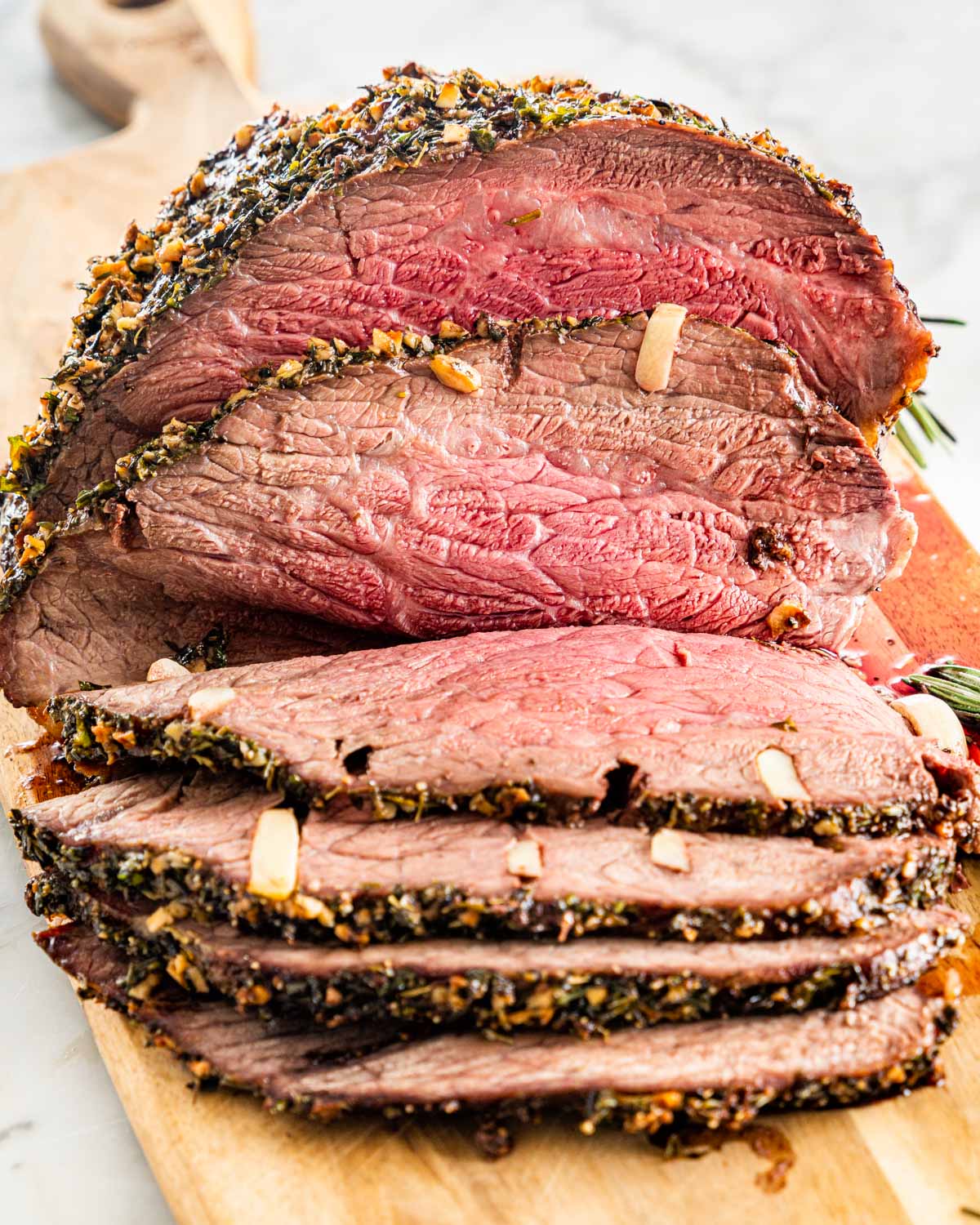
Table of Contents
- Culinary Basics of Bottom Round Steak: Anatomical, Structural, and Flavor Fundamentals
- Anatomical and Structural Comparison: Bottom Round Steak vs. Common Lean Cuts
- Flavor Evolution by Doneness: Sensory Descriptors and Chemical Changes
- Decision Flowchart: Selecting Bottom Round Steak by Budget, Meal Type, and Dietary Needs
- Preparation Techniques for Enhanced Flavor in Bottom Round Steak
- Mechanical Tenderization: Pounding and Cubing Methods
- Enzymatic Tenderization: Marinades with Papaya and Kiwi
- Dry Brine for Bottom Round Steak: Optimization of Salt, Timing, and Humidity
- Acid-Based Marinades: Collagen Breakdown and Acidity Balance
- Top 3 Flavor-Enhancing Spice Blends for Bottom Round Steak
- Unconventional Marinade Ingredients and Their Roles
- Cooking Methods and Temperature Control for Bottom Round Steak
- Reverse Sear Method for Bottom Round Steak
- Braising Bottom Round Steak for Maximum Tenderness
- Comparative Analysis: Grilling vs. Pan-Searing Bottom Round Steak
- Cooking Method Matrix for Bottom Round Steak Applications
Beef bottom round steak represents a versatile yet underutilized cut, offering a lean, robust profile that adapts seamlessly to diverse culinary applications. Unlike premium cuts such as ribeye or sirloin, its lower fat content and higher collagen levels demand strategic preparation—whether through slow braising, precise temperature control, or innovative marinades—to unlock its full potential. This guide explores the anatomical and sensory nuances of bottom round steak, from its earthy undertones when rare to its tenderized texture when slow-cooked, while equipping chefs with technical methods to elevate its flavor and texture across grilling, searing, and braising techniques.
The effectiveness of cooking bottom round steak hinges on understanding its structural composition: a dense muscle with minimal marbling that benefits from collagen breakdown to achieve tenderness. By comparing its yield, cost, and ideal applications against other cuts—such as top round or chuck roast—this resource clarifies how to select the right preparation method based on budget, dietary goals, and desired meal outcomes. From dry brining to acid-based marinades, each technique is dissected with scientific precision, ensuring optimal results without compromising safety or nutritional integrity.
Culinary Basics of Bottom Round Steak: Anatomical, Structural, and Flavor Fundamentals
The beef bottom round steak originates from the rear leg of the cow, specifically the biceps femoris and semitendinosus muscles, located beneath the hip and above the shank. Unlike premium cuts such as ribeye or sirloin, which derive from the loin and rib sections, bottom round steak is classified as a lean, intermediate muscle, meaning it contains minimal marbling (intramuscular fat) but higher levels of connective tissue (collagen). This anatomical distinction directly influences its texture—dense, fibrous, and firm—when compared to the tender, buttery ribeye or the balanced sirloin. Understanding these structural and compositional traits is critical for selecting appropriate cooking methods, as bottom round steak excels in slow-cooked dishes where collagen breaks down into gelatin, rather than high-heat searing techniques suited for marbled cuts.The fat content and collagen levels in bottom round steak dictate its suitability for specific culinary applications. With 2–5% fat (compared to ribeye’s 15–20%) and collagen-rich connective tissue, this cut benefits from moist-heat cooking (braising, slow roasting, or sous vide) to tenderize the fibers. Overdirect grilling or frying can exacerbate dryness due to its low fat retention. Marbling, while minimal, plays a subtle role in flavor—higher-fat versions (e.g., "round tip" subprimal) yield a slightly richer taste, whereas USDA Choice or Select-grade bottom round remains lean and earthy. The flavor profile evolves dramatically with doneness:
Anatomical and Structural Comparison: Bottom Round Steak vs. Common Lean Cuts
The muscle origin and fiber alignment of bottom round steak distinguish it from other lean cuts like top round, flank steak, and chuck roast. Below is a comparative analysis of their yield, cost, and ideal applications, based on USDA grading standards and butcherhouse data (e.g., Iowa Beef Processors, Cargill):| Attribute | Bottom Round Steak | Top Round Steak | Flank Steak | Chuck Roast (Arm) |
|---|---|---|---|---|
| Anatomical Origin | Rear leg (biceps femoris/semitendinosus) | Upper rear leg (quadriceps group) | Abdominal wall (plate muscle) | Shoulder/neck (complex muscle groups) |
| Fat Content (%) | 2–5 (lean to moderately lean) | 2–4 (leaner than bottom round) | 3–6 (higher surface fat) | 10–15 (higher intramuscular fat) |
| Collagen Level | High (tenderizes with moist heat) | Moderate (dries out if overcooked) | Low (best for quick cooking) | Very high (ideal for braising) |
| Yield (Cooked Weight) | 65–70% (shrinks less than flank) | 60–65% (more prone to moisture loss) | 55–60% (high surface area = faster drying) | 70–75% (collagen renders as fat) |
| Cost per Pound (USD, 2023 Avg.) | $4.50–$6.50 (Choice/Select) | $4.00–$5.50 (budget-friendly) | $7.00–$9.00 (higher demand) | $3.50–$5.00 (bulk pricing) |
| Best Cooking Methods | Braising, slow roasting, sous vide, sandwiches | Grilling (quick sear), roasting, stir-fry | Marinating + grilling/sautéing (thin cut) | Braising, stewing, slow smoking |
| Flavor Profile (Well-Done) | Earthy, slightly sweet (collagen breakdown) | Dry, mild beefy (lacks fat) | Intense, gamy (if not marinated) | Deep, savory, fatty (umami-rich) |
Bottom round steak’s high collagen and moderate fat make it a versatile workhorse for dishes requiring prolonged cooking, whereas top round’s lower collagen demands quicker methods to avoid dryness. Chuck roast, despite its higher fat, is cheaper and more forgiving for slow-cooked applications, while flank steak’s thin, dense structure suits high-heat, marinade-dependent recipes.
Flavor Evolution by Doneness: Sensory Descriptors and Chemical Changes
The Maillard reaction and collagen denaturation in bottom round steak create distinct flavor and textural shifts across doneness levels. Below are sensory profiles based on USDA temperature guidelines and research from the Journal of Agricultural and Food Chemistry:Critical Temperature Zones for Bottom Round Steak:Chemical Basis for Flavor Shifts:
Rare (120–125°F / 49–52°C): Myoglobin remains purple-red; flavor is lean, metallic, and faintly gamey, with a dry, chewy bite. Ideal for quick searing (e.g., Korean bulgogi-style) where acidity (vinegar, soy) masks gaminess. Medium (140–145°F / 60–63°C): Myoglobin converts to brown (brown ring), reducing gaminess to an earthy, slightly sweet undertone. Texture softens slightly but retains fibrous resistance. Best for sandwiches (philly cheesesteak) or stir-fries with umami boosters (mushrooms, Worcestershire). Well-Done (160°F+ / 71°C+): Collagen fully hydrolyzes into gelatin, imparting a slightly sweet, almost custard-like mouthfeel. Flavor becomes mildly beefy with a dry, papery crust if overcooked. Optimal for braised dishes (e.g., Cuban ropa vieja) where moisture retention is prioritized.
Decision Flowchart: Selecting Bottom Round Steak by Budget, Meal Type, and Dietary Needs
The following decision tree guides selection based on three primary variables: cost constraints, meal application, and dietary goals (e.g., low-fat, high-protein). Each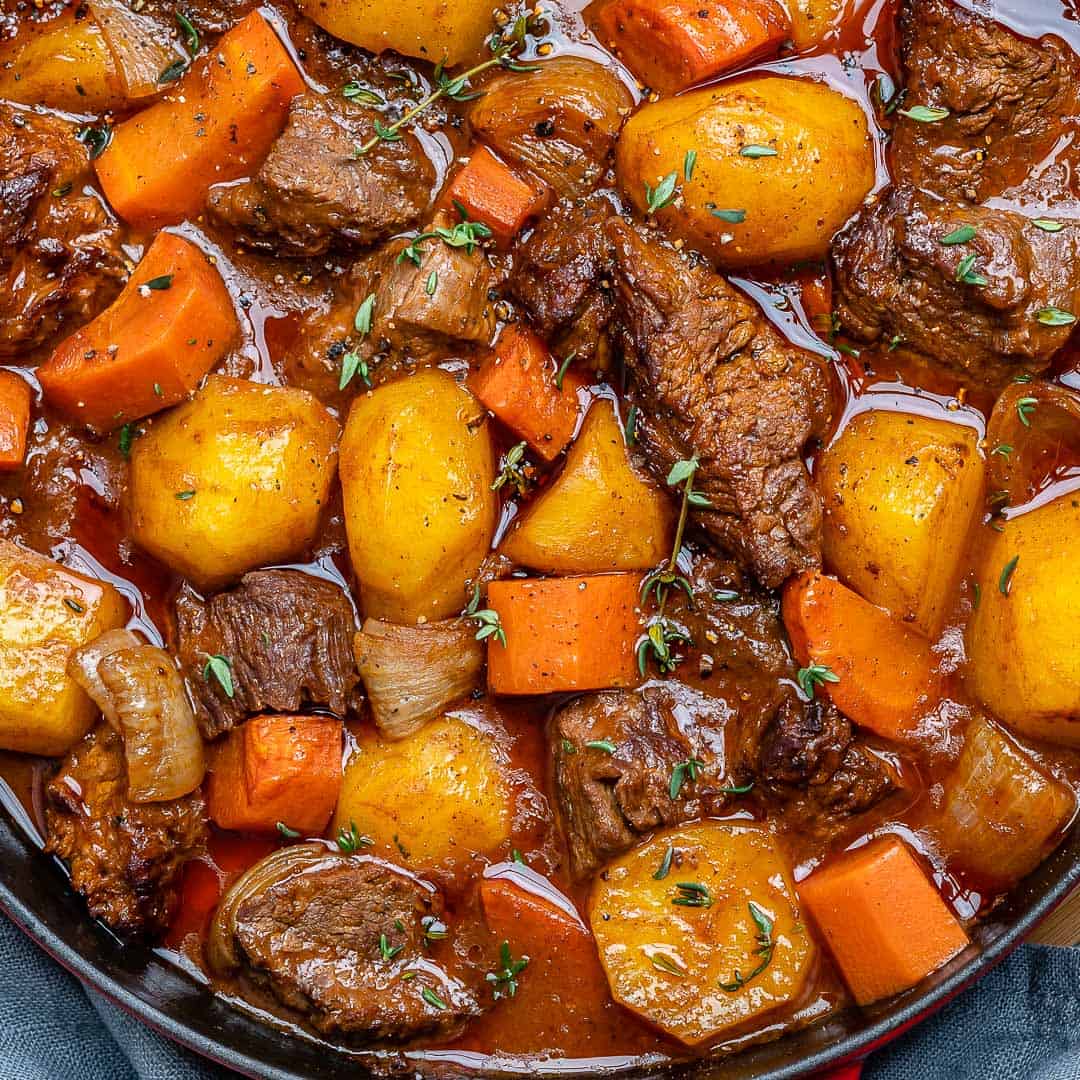
Preparation Techniques for Enhanced Flavor in Bottom Round Steak
The bottom round steak, characterized by its lean profile and dense connective tissue, requires strategic preparation to unlock its full potential. Mechanical and enzymatic methods—ranging from traditional pounding to acid-based marinades—target collagen breakdown, protein denaturation, and flavor infusion without compromising structural integrity. Precision in timing, acidity balance, and humidity control ensures tenderness while preserving the steak’s inherent savoriness. This section explores evidence-based techniques, from dry brining to unconventional marinades, grounded in culinary science and regional traditions.Mechanical Tenderization: Pounding and Cubing Methods
Mechanical tenderization disrupts muscle fibers and connective tissue through physical force, ideal for bottom round steak due to its fibrous nature. Pounding with a mallet or meat tenderizer (pre-chilled to prevent heat buildup) should be performed 30–45 minutes before cooking to allow enzymes to activate. For cubed preparations (e.g., stroganoff or beef bourguignon), uniform 1.5–2 cm cubes are recommended, as smaller pieces tenderize faster during cooking. Safety precautions include:For cubed applications, a pre-cooking sear at 180–190°C for 2–3 minutes per side (using a cast-iron skillet) initiates the Maillard reaction while partially breaking down collagen. Post-sear, braising at 90–95°C for 1.5–2 hours in a liquid (e.g., red wine reduction or tomato-based sauce) completes collagen conversion to gelatin.
Enzymatic Tenderization: Marinades with Papaya and Kiwi
Enzymatic marinades leverage proteases like papain (papaya) and actinidin (kiwi) to hydrolyze muscle proteins, reducing toughness. A standard enzymatic marinade for bottom round steak consists of:Application protocol:
1. Blend 200 g ripe papaya or kiwi with 100 ml water and 5 g citric acid.
2. Coat 500 g bottom round steak evenly, ensuring submergence.
3. Marinate in a sealed container with breathable humidity (e.g., damp paper towel) to prevent dehydration.
4. Rinse briefly under cold water before cooking to remove residual enzyme residue.
Note: Enzymatic tenderization is most effective for short-term applications (≤6 hours) and pairs best with high-heat cooking methods (grilling, searing) to denature residual enzymes.
Dry Brine for Bottom Round Steak: Optimization of Salt, Timing, and Humidity
Dry brining (salt-only marinade) enhances moisture retention and surface Maillard development in lean cuts like bottom round. Optimal parameters:Step-by-step protocol:
1. Pat steak dry with paper towels to remove surface moisture.
2. Apply salt evenly, massaging into seams and edges.
3. Place on a wire rack over a tray lined with parchment paper to allow airflow.
4. Cover loosely with plastic wrap (vented) or store in a humidity-controlled container.
5. Rest: 12 hours at 4°C for 1 cm-thick cuts; 24 hours for thicker sections (>2 cm).
Science behind dry brining:
Avoid: Exceeding 2% salt concentration, which may induce excessive moisture loss or alter texture.
Acid-Based Marinades: Collagen Breakdown and Acidity Balance
Acidic marinades (vinegar, citrus, yogurt) hydrolyze collagen and denature proteins, but improper balance risks over-softening or surface toughening. Key mechanisms:Optimal acidity parameters:
Example marinade (for 500 g steak):
Regional adaptations:
Top 3 Flavor-Enhancing Spice Blends for Bottom Round Steak
1. Coffee-Rub (Brazilian Churrasco Tradition)Components: 50% finely ground dark roast coffee, 30% smoked paprika, 10% brown sugar, 10% cayenne. Role: Coffee’s chlorogenic acid tenderizes while adding bitterness; smoked paprika contributes depth. Pairing: Grilled picanha-style, served with farofa (toasted cassava flour). 2. Smoky Paprika-Umami Blend (Spanish Adobo Influence)
Components: 40% sweet smoked paprika, 30% ground cumin, 20% garlic powder, 10% black pepper. Role: Paprika’s capsaicin enhances heat perception; cumin adds earthiness. Pairing: Braised carne mechada with tomatoes and olives. 3. Soy-Ginger Marinade (East Asian Yakitori Style)
Components: 50% soy sauce, 20% mirin, 15% grated ginger, 10% sesame oil, 5% sugar. Role: Soy’s glutamate (umami) and ginger’s gingerol break down collagen; mirin balances sweetness. Pairing: Skewered and grilled with yuzu glaze.
Unconventional Marinade Ingredients and Their Roles
Unconventional ingredients introduce unique enzymatic or flavor profiles to bottom round steak. Below are five underutilized components, their mechanisms, and recommended cooking times:| Ingredient | Role | Mechanism | Marination Time | Cooking Method | |||||||||||||||||||
|---|---|---|---|---|---|---|---|---|---|---|---|---|---|---|---|---|---|---|---|---|---|---|---|
| Miso (White or Red) | Umami depth, collagen tenderization | Fermented soy’s proteases (Cooking Methods and Temperature Control for Bottom Round SteakThe bottom round steak, characterized by its lean yet flavorful profile, demands precise cooking techniques to balance texture and taste. Temperature control and method selection—whether reverse searing, braising, or direct heat—directly influence outcomes, from a tender, caramelized crust to a uniformly moist interior. This section explores technical execution, heat distribution, and doneness guidelines to optimize results across grilling, oven, and slow-cooking applications.Reverse Sear Method for Bottom Round SteakThe reverse sear method leverages low-and-slow cooking followed by a high-heat finish, ideal for bottom round steak due to its lean nature. This approach ensures even internal temperature development while creating a reactive crust. Internal temperature targets for bottom round steak differ slightly from traditional steaks due to its lower fat content and higher connective tissue; 110–115°F (43–46°C) for rare, 130–135°F (54–57°C) for medium-rare, and 140–145°F (60–63°C) for medium are recommended to prevent overcooking.Process: Heat Distribution Considerations: Key Adjustment: Bottom round steak’s lean profile requires shorter searing times (30–60 seconds per side) compared to ribeye or strip steaks to avoid drying out. Braising Bottom Round Steak for Maximum TendernessBraising transforms the tough, fibrous structure of bottom round steak into a fall-apart texture through prolonged moist-heat cooking. This method is ideal for cubed or sliced steak (e.g., for stews or pot roasts) and relies on collagen breakdown and aromatic infusion. The 1:1 meat-to-liquid ratio is standard, though adjustments may be made for deeper flavors (e.g., 1:1.5 for richer sauces).Technical Parameters: Texture and Flavor Outcomes: Pro Tip: For extra tenderness, add 1–2 tbsp of vinegar or lemon juice to the braising liquid to tenderize connective tissue via acid hydrolysis. Comparative Analysis: Grilling vs. Pan-Searing Bottom Round SteakGrilling and pan-searing produce distinct textural and flavor profiles in bottom round steak, primarily due to heat transfer dynamics and surface area exposure. While both methods rely on high-heat crust formation, their execution and outcomes differ significantly.Grilling: Pan-Searing: Descriptive Outcomes:
Critical Note: Bottom round steak’s lean nature makes it more susceptible to overcooking than marbled cuts. Use a meat thermometer to avoid exceeding 145°F (63°C) for medium-rare. Cooking Method Matrix for Bottom Round Steak ApplicationsThe selection of cooking method and cut preparation (steak, cubes, ground) dictates both technique and doneness guidelines. Below is a structured reference for optimal applications, including ideal cuts, methods, and target temperatures.
|
Leave a Comment
Comments are moderated before appearing. The data you submit is processed according to the Privacy Policy of www.linuxunplugged.com.