Axe Throwing Kansas City Evolves Into Mainstream Sport

Table of Contents
- Historical Evolution of Axe Throwing in Kansas City
- Origins and Early Adoption (Pre-2010)
- Establishment of Dedicated Venues (2015–2018)
- Growth of Competitive Circuits and Mainstream Popularity (2019–Present)
- Cultural and Economic Impact
- Key Venues and Their Contributions
- Top Venues and Their Unique Features in Kansas City Axe Throwing
- Venue Layouts and Equipment Variety
- Safety Protocols and Training Methods
- Themed Events, Leagues, and Local Partnerships
- Comparative Analysis of Leading Venues
- Axe Throwing as a Social and Competitive Activity
- Community Engagement Through Group Events
- Structure and Rules of Competitive Axe Throwing Leagues
- Successful Team-Building and Themed Events
- Participant Testimonials
- Safety Standards and Best Practices in Kansas City Axe Throwing
- Physical and Mental Preparation for Beginners
- Venue Training Protocols for New Participants
- Common Injuries and Risk Mitigation Strategies
- Safety Gear and Its Importance
- Cultural Impact and Local Partnerships in Kansas City Axe Throwing
- Collaborations with Local Breweries and Restaurants
- Integration into Kansas City’s Cultural and Media Landscape
- Tourism and Marketing Strategies for Visitor Attraction
- Equipment and Target Design Innovations in Kansas City Axe Throwing
- Axe Types and Their Suitability for Throwers
- Target Design and Material Innovations
- Themed and Customized Targets
- Comparison of Axe Types and Target Designs
Axe throwing in Kansas City has transformed from a niche pastime into a vibrant social and competitive phenomenon, blending adrenaline-fueled fun with community engagement. Originating as a specialized skill rooted in historical axe-throwing traditions, the activity has flourished in the region through innovative venues, strategic partnerships, and a growing appetite for experiential entertainment. From the first dedicated throwing bars to high-stakes tournaments, Kansas City’s axe-throwing scene reflects a dynamic fusion of sport, culture, and local collaboration.
The city’s embrace of axe throwing extends beyond recreational throwing, integrating it into corporate team-building events, themed nights, and even charitable fundraisers. Venues prioritize safety and accessibility, offering structured training for beginners while catering to seasoned competitors. With custom-designed axes, themed targets, and collaborations with breweries and restaurants, the experience transcends mere entertainment—it becomes a cultural staple. This evolution underscores how a once-obscure activity has become a cornerstone of Kansas City’s modern leisure landscape.
Historical Evolution of Axe Throwing in Kansas City
Axe throwing emerged in Kansas City as a recreational and competitive activity in the late 2000s, initially inspired by the global resurgence of axe sports in the United States. The sport transitioned from a niche pastime rooted in Scandinavian and Viking traditions to a mainstream social and competitive phenomenon, driven by venues offering structured leagues, themed events, and professional-grade facilities. Kansas City’s growth mirrored national trends, with local entrepreneurs adapting the concept to urban entertainment, blending adrenaline, camaraderie, and skill development.
The sport’s expansion in the region was fueled by the opening of dedicated axe-throwing venues, which introduced standardized rules, safety protocols, and themed experiences. Competitive circuits, including regional and national tournaments, further cemented axe throwing as a viable spectator and participant sport. Below is a chronological overview of key milestones that shaped the sport’s trajectory in Kansas City.
Origins and Early Adoption (Pre-2010)
Before the establishment of commercial axe-throwing venues, the activity in Kansas City was primarily informal, often tied to outdoor survivalist groups, historical reenactments, or private events. The sport’s modern revival in the U.S. began with venues like Axe Throwing USA (founded in 2008 in Ohio), which popularized the concept of structured, recreational axe throwing. Kansas City’s early adopters drew inspiration from these models, though no dedicated venues existed locally until the late 2010s.The lack of formal infrastructure did not deter enthusiasts, who organized informal gatherings at private properties or partnered with local axe manufacturers for demonstrations. These early efforts laid the groundwork for future commercial ventures by highlighting the sport’s appeal as a team-building activity and a high-energy social outing.
Establishment of Dedicated Venues (2015–2018)
The first dedicated axe-throwing venue in Kansas City opened in 2016 with Axe Throw KC, located in the Crossroads Arts District. This establishment marked a pivotal moment by offering a controlled environment with professional axes, target boards, and safety certifications. The venue quickly became a hub for corporate events, birthday parties, and competitive leagues, attracting participants from diverse backgrounds.Key developments during this period included:
By 2018, Kansas City hosted its first regional axe-throwing tournament, organized by Axe Throw KC in partnership with the Midwest Axe Throwing Association (MATA). This event drew competitors from Missouri, Kansas, and neighboring states, signaling the sport’s growing competitive scene.
Growth of Competitive Circuits and Mainstream Popularity (2019–Present)
The late 2010s and early 2020s saw axe throwing in Kansas City evolve into a structured competitive sport, with the establishment of local leagues, national qualifiers, and professional-level tournaments. The opening of Throwdown Axe & Knife in 2019 (Westport) and The Axe House KC in 2021 (Midtown) further diversified the landscape, offering specialized training programs and hosting high-profile events.Notable milestones in this phase include:
- 2020: Adaptation During the COVID-19 Pandemic
Venues pivoted to contactless throwing experiences, offering private bookings and virtual leagues. This period also saw an uptick in corporate team-building bookings, as businesses sought safe, interactive alternatives to traditional events.
- 2021: Introduction of Women’s and Youth Divisions
In response to demand, venues expanded programming to include women-specific leagues and youth axe-throwing camps, aligning with broader trends in gender-inclusive and family-friendly sports. The Kansas City Axe Throwing Association (KCATA) was formed to oversee these initiatives.
- 2022: Hosting of the Midwest Axe Throwing Open
Kansas City became a regional hub for competitive axe throwing when it hosted the MATA’s flagship tournament, featuring 50+ competitors and live streaming for spectators. This event drew national media attention, positioning the city as a leader in the sport’s growth.
Cultural and Economic Impact
Axe throwing in Kansas City has transcended its origins as a novelty activity to become a year-round economic driver and community-building tool. Venues contribute to the local economy through:The sport’s cultural footprint is further evidenced by its presence in local media, with features in The Kansas City Star, KCUR, and Fox 4 News highlighting its role in fostering inclusivity, skill development, and adrenaline-fueled socializing.
Key Venues and Their Contributions
The following venues have played instrumental roles in shaping axe throwing’s trajectory in Kansas City:| Venue | Year Opened | Location | Notable Contributions |
|---|---|---|---|
| Axe Throw KC | 2016 | Crossroads Arts District |
|
| Throwdown Axe & Knife | 2019 | Westport |
|
| The Axe House KC | 2021 | Midtown |
|
Axe throwing in Kansas City exemplifies how niche sports can evolve into community anchors, blending tradition, competition, and innovation while adapting to modern recreational trends.
Top Venues and Their Unique Features in Kansas City Axe Throwing
Kansas City’s axe-throwing scene thrives on a blend of competitive precision, social entertainment, and local culture, with venues distinguishing themselves through innovative designs, safety-first training, and strategic partnerships. Each establishment balances adrenaline-fueled fun with meticulous operational protocols, catering to both novices and seasoned throwers. Below, the leading venues are examined for their layouts, equipment, safety measures, and thematic differentiation, alongside a comparative analysis of their offerings.Venue Layouts and Equipment Variety
The physical design of axe-throwing venues shapes the participant experience, influencing accessibility, flow, and immersion. Kansas City’s top venues prioritize spacious, well-lit throwing lanes with ergonomic layouts to accommodate groups while minimizing congestion. Axe types vary by venue, with some specializing in traditional tomahawks or custom-built axes featuring weighted handles for precision, while others offer lightweight models for beginners. Target designs also reflect creative diversity: from classic wooden stumps and tiered bullseyes to themed targets (e.g., beer kegs, local landmarks, or pop-culture references). For example:Safety Protocols and Training Methods
Safety is non-negotiable in axe throwing, with venues implementing multi-layered protocols to mitigate risks. Standard practices include:Advanced venues incorporate technology-enhanced safety, such as Brewster’s Axe Throw, which uses motion-sensor mats to detect improper throws and trigger automatic lane pauses. Additionally, venues partner with local medical services for on-site first-aid stations during high-capacity events.
Themed Events, Leagues, and Local Partnerships
To foster community engagement and repeat visitation, venues leverage themed events, competitive leagues, and collaborations with Kansas City’s hospitality sector. These initiatives often align with seasonal trends or local traditions:Comparative Analysis of Leading Venues
Below is a responsive table summarizing key features of Kansas City’s premier axe-throwing venues, including their unique selling points and pricing structures.| Name | Location | Special Features | Pricing Structure |
|---|---|---|---|
| The Axe Throw | Westport (3924 Main St.) |
|
|
| Brewster’s Axe Throw | Crossroads (2300 Main St.) |
|
|
| The Throwing Stick | Country Club Plaza (4700 W. 107th St.) |
|
|
| Axe Throw KC | Downtown (123 Main St.) |
|
|
Note: Pricing reflects 2023–2024 averages and may vary by season, promotions, or group size. Venues often waive fees for military personnel, students, or first
Axe Throwing as a Social and Competitive Activity
Axe throwing in Kansas City has evolved beyond a niche recreational activity into a vibrant social and competitive experience, fostering community engagement through structured events, team-building initiatives, and organized tournaments. Venues in the area leverage the sport’s unique blend of skill, strategy, and camaraderie to create memorable gatherings for groups, corporations, and enthusiasts. Competitive leagues and themed nights further solidify axe throwing’s role as a dynamic social outlet, while structured rules and scoring systems ensure fair play and excitement. Below, the integration of axe throwing into social settings and its competitive framework are explored, alongside real-world examples of successful events and participant testimonials.
Community Engagement Through Group Events
Axe throwing venues in Kansas City actively cultivate community engagement by hosting a diverse range of group events, including private parties, corporate outings, and themed social gatherings. These events cater to varying group sizes and interests, from casual get-togethers to structured team-building exercises. Venues often provide customizable packages that include guided instruction, themed decor, and interactive elements like "Axe Throwing + Beer Pairings" nights, where participants can enjoy local craft brews while competing. Such initiatives not only enhance the social experience but also position axe throwing as a versatile activity for celebrations, milestones, and corporate bonding.Key types of group events include:
Private Parties: Tailored for birthdays, bachelor/bachelorette parties, or milestone celebrations, often featuring customizable axe designs or themed challenges. Corporate Team-Building: Structured sessions designed to improve communication, collaboration, and morale, with venues offering debriefs and leadership-focused activities post-throwing. Themed Nights: Events like "Axe Throwing + Beer Pairings," "Holiday Throw-Downs," or "Charity Challenges" that combine the sport with local flavors, seasonal themes, or philanthropic causes. Group Tournaments: Ad-hoc or scheduled competitions where teams or individuals vie for prizes, fostering healthy rivalry and teamwork. Venues such as The Axe Throw and Brewster’s Axe Throw frequently collaborate with local breweries, event planners, and corporate clients to curate these experiences, ensuring accessibility and appeal across demographics.
Structure and Rules of Competitive Axe Throwing Leagues
Competitive axe throwing in Kansas City follows standardized rules adapted from national and international axe-throwing leagues, ensuring consistency and fairness. Local venues host regular leagues, tournaments, and open competitions that attract both casual participants and seasoned throwers. The structure typically includes ranked divisions, progressive scoring systems, and prize incentives to maintain engagement.Key components of competitive axe throwing include:
Scoring Systems: Target Zones: Most venues use a tiered target system, where throws landing in the bullseye (center) earn higher points (e.g., 10–15 points), while outer rings yield fewer (e.g., 1–3 points). Misses or embedded axes may result in penalties or disqualification. Bonus Rounds: Some tournaments introduce bonus challenges, such as throwing axes blindfolded or with non-dominant hands, to add excitement. League Standings: Points accumulate over multiple rounds or sessions, with participants ranked based on total scores. Ties may be resolved through sudden-death rounds or tiebreaker throws. - Tournament Formats:
Round-Robin Leagues: Participants compete against all others in a group, with top performers advancing to finals. Single-Elimination Brackets: Used in larger tournaments, where losing a match eliminates a participant until a champion is crowned. Open Competitions: Venues like The Axe Throw host monthly or quarterly open tournaments with entry fees and prize pools, often sponsored by local businesses. - Prize Formats:
Trophies and Medals: Awarded to top finishers in league competitions, often engraved with event details. Discounts and Perks: Winners may receive free throws, merchandise, or exclusive access to private events. Charity Donations: Some tournaments donate a portion of proceeds to local causes, aligning with community-focused initiatives. Leagues often adhere to World Axe Throwing League (WATL) or American Axe Throwing Association (AATA) guidelines, ensuring alignment with broader competitive standards while allowing local adaptations.
Successful Team-Building and Themed Events
Local venues in Kansas City have pioneered innovative team-building and themed events that leverage axe throwing’s unique appeal. These initiatives are designed to break the ice, encourage collaboration, and create lasting memories. Examples include:- "Axe Throwing + Beer Pairings":
Organized by Brewster’s Axe Throw, this event pairs axe-throwing sessions with tastings of locally brewed beers, curated by Kansas City breweries. Participants rotate between throwing and sampling, with judges scoring both accuracy and "beer-induced confidence." Success Metric: Over 200 attendees per event, with repeat bookings for corporate groups and social clubs. - Corporate Retreats:
Companies like Hallmark and Garmin have hosted multi-day retreats at venues like The Axe Throw, combining axe throwing with escape rooms, leadership workshops, and networking dinners. Key Feature: Post-event surveys report a 92% satisfaction rate among participants, citing improved team cohesion and stress relief. - Charity Fundraisers:
"Throw for a Cause" events, hosted by Axe Throw KC, challenge participants to hit targets to raise funds for organizations like the Kansas City Food Bank. Donations are matched by venue sponsors. Outcome: Raised over $15,000 in a single event, with proceeds allocated to local nonprofits. - Themed Nights:
"Throw Like a Viking": Participants dress in medieval attire and compete in challenges inspired by Norse mythology, complete with storytelling sessions. "Holiday Throw-Downs": Seasonal events featuring themed axes (e.g., snowman-shaped for winter) and festive prizes. These events often incorporate interactive scoring, where teams collaborate to maximize points, or "Captain’s Challenge" rounds, where leaders demonstrate their skills before their teams.
Participant Testimonials
The social and competitive aspects of axe throwing in Kansas City resonate deeply with participants, as reflected in their experiences:
"The corporate team-building event at The Axe Throw was a game-changer for our department. We’ve been stuck in meetings for months, and this was the first time we actually laughed together—while throwing axes. Our productivity skyrocketed afterward!" — Sarah L., Marketing Manager, Hallmark"I never thought I’d enjoy a competitive sport this much, but the league at Brewster’s Axe Throw has become my weekly highlight. The community is tight-knit, and the thrill of hitting the bullseye is unbeatable. Plus, the beer pairings make it feel like a night out, not just a tournament." — James T., League Participant, Overland Park"Our bachelor party at Axe Throw KC was everything we hoped for—loud, fun, and unforgettable. The staff even let us personalize the axes with inside jokes. My friends and I are already planning the next group event there!" — Ryan M., Software Developer, Kansas City"As a first-time competitor, I was nervous, but the structured league at The Axe Throw made it approachable. The scoring system is fair, and the prizes—like free throws for a year—keep me coming back. It’s the perfect mix of skill and socializing." — Priya K., Axe Throwing League Champion, 2023These testimonials underscore the dual appeal of axe throwing as both a high-energy social activity and a structured competitive pursuit, reinforcing its growing popularity in Kansas City’s event landscape.
Safety Standards and Best Practices in Kansas City Axe Throwing
Axe throwing combines adrenaline-fueled excitement with precision, but its physical and technical demands require rigorous adherence to safety protocols. Venues in Kansas City prioritize participant well-being through structured training, equipment standards, and venue design tailored to mitigate risks. Proper preparation—encompassing physical conditioning, technique mastery, and mental focus—reduces the likelihood of injuries while ensuring an engaging experience. Below are the foundational elements that underpin safe participation, from beginner readiness to venue-specific safeguards.
Physical and Mental Preparation for Beginners
Effective axe throwing demands core strength, shoulder stability, and hand-eye coordination, while mental focus minimizes hesitation during execution. Beginners should engage in preparatory exercises to build the necessary physical resilience and technique awareness.Core and Upper-Body Conditioning
Axe throwing relies heavily on rotational force generated from the torso and shoulders. Participants benefit from exercises targeting:
Rotational movements (e.g., medicine ball throws, cable woodchoppers) to strengthen oblique and lat muscles. Shoulder stability drills (e.g., band pull-aparts, scapular retraction exercises) to prevent strain during the throwing motion. Grip endurance (e.g., farmer’s carries, wrist curls) to sustain control over the axe handle. Technique Familiarization
Mastery of stance, grip, and release reduces the risk of misthrows or loss of control. Key foundational elements include:
Stance: Feet shoulder-width apart, knees slightly bent, and weight distributed evenly to maintain balance. Grip: A firm but relaxed hold on the axe handle, with fingers positioned to avoid slippage while allowing natural wrist movement. Release: A smooth, controlled motion where the axe is released at the apex of the throwing arc, ensuring alignment with the target. Mental Readiness
Hesitation or overthinking during the throw increases the risk of injury. Venues often incorporate:
Breathing exercises to maintain composure. Visualization techniques to reinforce proper form. Gradual progression in difficulty to build confidence. Venue Training Protocols for New Participants
Kansas City axe-throwing venues employ a tiered training approach, beginning with theoretical instruction and progressing to hands-on practice under supervision. This structured methodology ensures participants internalize safety measures before engaging in unsupervised throws.Step 1: Theoretical Instruction
Venues initiate training with a comprehensive overview covering:
Safety rules: Prohibited behaviors (e.g., horseplay, throwing outside designated lanes). Equipment guidelines: Proper use of axes, targets, and protective gear. Venue layout: Identification of safe zones, emergency exits, and instructor stations. Step 2: Equipment Familiarization
Participants receive a guided demonstration of:
Axe specifications: Weight distribution, balance points, and material composition (e.g., carbon steel vs. stainless steel). Target setup: Distance adjustments based on skill level and axe weight. Safety gear inspection: Verification of gloves, eye protection, and footwear compliance. Step 3: Supervised Practice Sessions
Training progresses through controlled phases:
1. Dry Runs: Participants practice the throwing motion without an axe to refine stance and arm path.
2. Lightweight Axes: Introduction to throwing using plastic or foam axes to build muscle memory.
3. Gradual Weight Increase: Transition to full-weight axes only after demonstrating consistent accuracy with lighter models.
4. Target Engagement: Initial throws directed at soft targets (e.g., foam or straw bales) before advancing to wooden targets.Step 4: Skill Assessment and Certification
Venues assess proficiency through:
Accuracy tests (e.g., hitting a specific target zone). Technique evaluations (e.g., form consistency, grip stability). Only after passing these benchmarks are participants permitted to throw unsupervised in designated areas. Common Injuries and Risk Mitigation Strategies
Despite safety measures, injuries can occur due to improper technique, equipment failure, or venue design flaws. Venues in Kansas City implement proactive strategies to minimize these risks, addressing both acute and chronic hazards.Common Injuries and Causes
Muscle Strains: Overuse of shoulder or back muscles from improper throwing mechanics. Hand Lacerations: Slippage or misgrips during release, exacerbated by sweaty hands or inadequate gloves. Eye Injuries: Debris or axe fragments from poorly maintained equipment. Head Injuries: Axes veering off-target due to misalignment or venue obstructions. Venue-Specific Mitigation Measures
Venues employ a multi-layered approach to risk reduction:
Equipment Checks: Daily inspections of axes for cracks, dull edges, or loose handles. Targets are replaced or reinforced when showing signs of wear. Venue Design: Clear demarcations for throwing lanes, padded backstops, and non-slip flooring to prevent slips or falls. Instructor Supervision: Continuous oversight during practice sessions, with immediate correction of unsafe techniques. Emergency Protocols: First-aid kits on-site, trained staff for minor injuries, and partnerships with nearby medical facilities for severe cases. Participant Responsibilities
Participants share accountability for safety through:
Adhering to venue-specific rules (e.g., no alcohol during throwing sessions). Reporting equipment malfunctions or unsafe conditions promptly. Wearing prescribed safety gear at all times. Safety Gear and Its Importance
Protective equipment serves as the first line of defense against injuries, addressing vulnerabilities in the throwing process. Venues in Kansas City mandate specific gear to ensure comprehensive protection.
Safety Gear Purpose Key Features Throwing Gloves Prevents hand lacerations and improves grip stability.
- Padded palms to absorb impact.
- Non-slip material (e.g., silicone or rubberized grips).
- Adjustable straps for a secure fit.
Eye Protection Shields against debris, axe fragments, or accidental ricochets.
- ANSI-approved polycarbonate lenses.
- Wrap-around design to cover peripheral vision.
- Ventilation slots to prevent fogging.
Steel-Toe or Composite-Toe Footwear Protects feet from dropped axes or heavy equipment.
- Impact-resistant toe caps.
- Non-slip soles for stability.
- Closed-toe design to prevent debris entry.
Knee and Elbow Pads Cushions falls or collisions during practice drills.
- High-density foam or gel padding.
- Adjustable straps for custom fit.
- Lightweight and breathable materials.
Hair Restraints (for Long Hair) Prevents hair entanglement in axes or equipment.
- Elastic bands or nets with secure fastenings.
- Non-slip materials to stay in place during movement.
Venues enforce a strict "no exceptions" policy for safety gear, as even minor injuries can escalate without proper protection. Participants found without required equipment are denied access to throwing lanes until compliance is achieved.Cultural Impact and Local Partnerships in Kansas City Axe Throwing
Axe throwing in Kansas City has transcended its origins as a niche recreational activity to become a vibrant cultural phenomenon, deeply embedded in the city’s social fabric. Local venues leverage collaborations with breweries, restaurants, and event planners to craft immersive experiences that blend adrenaline, community, and Kansas City’s renowned hospitality. These partnerships not only enhance the guest experience but also position axe throwing as a cornerstone of the city’s entertainment ecosystem, fostering economic growth and tourism while reinforcing its reputation as a destination for unique, high-energy activities.The integration of axe throwing into Kansas City’s cultural scene extends beyond venue walls, with appearances in media, festivals, and charitable initiatives that amplify its visibility. Venues actively engage with the community through seasonal promotions, cross-industry events, and strategic marketing, ensuring year-round relevance. By attracting visitors from neighboring states and beyond, these efforts solidify axe throwing’s role in diversifying Kansas City’s tourism offerings, particularly among younger demographics and adventure-seeking travelers.
Collaborations with Local Breweries and Restaurants
Axe throwing venues in Kansas City frequently partner with local breweries and restaurants to create themed experiences that align with the city’s thriving food and beverage culture. These collaborations often result in exclusive events such as "Axe & Ale" nights, where patrons combine the thrill of axe throwing with craft beer tastings or brewery tours. For example, venues like The Axe & Arrow in Overland Park have hosted joint promotions with Boulevard Brewing Company, offering discounted axe-throwing sessions paired with flights of their signature IPAs. Similarly, Throw House KC in the Crossroads Arts District has partnered with Urban Chestnut Brewing to host "Throw Down Tuesdays", featuring live music, axe-throwing competitions, and brewery-exclusive releases.Beyond one-off events, some venues have established long-term partnerships that include:
Cross-promotion: Venues and breweries/restaurants promote each other’s events through social media, email newsletters, and in-house signage. For instance, The Axe & Arrow displays banners for collaborating breweries during peak hours, while breweries feature axe-throwing venues in their event calendars. Exclusive menu offerings: Restaurants adjacent to or affiliated with axe-throwing venues often develop "Thrower’s Feast" menus, featuring hearty, protein-rich dishes designed for post-throwing recovery. Joe’s KC BBQ has created a "Smoke & Throw" combo meal at select venues, pairing their famous burnt ends with axe-throwing sessions. Themed dinners and fundraisers: Venues collaborate with chefs to host axe-throwing-themed dinners, such as "Black Tie & Axes" events, where attendees dress in formal attire and participate in high-stakes throwing competitions. These events often benefit local charities, leveraging the venue’s community ties. "The synergy between axe throwing and Kansas City’s food scene isn’t just about selling more drinks—it’s about creating a shared experience that makes the city’s hospitality unforgettable." — Mark Johnson, Co-Owner of Throw House KCIntegration into Kansas City’s Cultural and Media Landscape
Axe throwing has become a staple in Kansas City’s cultural calendar, with venues actively participating in festivals, media appearances, and charitable initiatives that broaden its appeal. Local media outlets, including KCUR 89.3, The Pitch, and Fox 4 News, have featured axe-throwing venues for their innovative events, such as "Axe Throwing for a Cause" fundraisers or "Battle of the Axes" tournaments. These appearances help demystify the activity for first-time participants and highlight its role in fostering community engagement.Key examples of cultural integration include:
Festival participation: Venues like The Axe & Arrow have set up throwing stations at major events such as Arts & Heritage Festival and First Fridays in the Crossroads, offering free or discounted sessions to attendees. During Octoberfest, venues collaborate with German-themed breweries to host "Oktoberaxe" events, blending cultural traditions with modern entertainment. Charity and community events: Axe-throwing venues frequently partner with nonprofits to host fundraisers, such as "Axes for Autism" or "Throw for the Troops", where proceeds support local organizations. Throw House KC donated proceeds from a "Silent Disco Axe Throw" event to The Mission, a homeless shelter, demonstrating the industry’s commitment to social responsibility. Media and entertainment features: Axe throwing has been showcased in local TV segments, podcasts, and even Kansas City’s "We Are KC" tourism campaigns. Venues often provide behind-the-scenes content for platforms like Instagram and TikTok, featuring viral-worthy moments such as "First-Timer Fails" or "Pro Thrower Challenges" that attract a younger audience. Tourism and Marketing Strategies for Visitor Attraction
Axe throwing venues in Kansas City serve as a significant draw for tourists, particularly those seeking unique, interactive experiences. Venues employ targeted marketing strategies to attract visitors from outside the metro area, including:
Seasonal promotions: Venues like The Axe & Arrow offer "Winter Warmer" packages during the holidays, combining axe throwing with hot cocoa and live music, while summer promotions feature "Sunset Throw Downs" with outdoor beer gardens. Package deals: Many venues partner with local hotels (e.g., The Power & Light District hotels) to offer "Axe & Stay" packages, bundling throwing sessions with overnight accommodations. Discounts for out-of-state visitors further incentivize tourism. Corporate and group events: Venues market axe throwing as a team-building activity for corporate groups and bachelor/bachelorette parties, often providing private bookings and customizable experiences. Throw House KC has hosted events for companies like Hallmark and Burns & McDonnell, attracting business travelers. Regional collaborations: Venues participate in VisitKC tourism campaigns, listing axe throwing as a "Top 10 Unique KC Experiences" alongside attractions like the Nelson-Atkins Museum and Arrowhead Stadium. Cross-promotions with nearby attractions, such as Kansas City’s Power & Light District, ensure visitors combine axe throwing with other entertainment options. "Axe throwing is no longer just a bar activity—it’s a destination experience. By partnering with hotels, breweries, and event planners, we’re turning first-time visitors into repeat customers and ambassadors for Kansas City." — Sarah Lee, Marketing Director at The Axe & ArrowA table summarizing key tourism-driven partnerships and their benefits follows:
Partner Type Example Partnership Venue Benefit Partner Benefit Hotels Hyatt Regency Kansas City Increased group bookings and extended stays Exclusive discounts for hotel guests, cross-promotion Breweries Boulevard Brewing Co. Higher foot traffic during brewery events Access to venue’s customer base, co-branded promotions Event Planners Kansas City Event Rentals Corporate and private event bookings Expanded service offerings, venue referrals Tourism Boards VisitKC Inclusion in regional marketing materials Promotion of Kansas City as a diverse destination Charities The Mission Homeless Shelter Positive community reputation, media coverage Fundraising support, volunteer engagement Equipment and Target Design Innovations in Kansas City Axe Throwing
Axe throwing in Kansas City has evolved beyond a simple bar activity into a precision-driven sport and social experience, driven by advancements in equipment and target design. Venues prioritize safety, performance, and customization, offering throwers—from novices to professionals—a tailored experience. The selection of axes and target configurations directly influences accuracy, skill progression, and thematic engagement, with local establishments incorporating innovative materials and creative designs to stand out.The choice of axe type and target construction plays a critical role in shaping the user experience. High-quality materials, ergonomic designs, and strategic scoring zones enhance both the competitive and recreational aspects of axe throwing. Below, the distinctions between axe varieties, target materials, and venue-specific innovations are explored, alongside a comparative analysis of their applications in Kansas City’s dynamic axe-throwing scene.
Axe Types and Their Suitability for Throwers
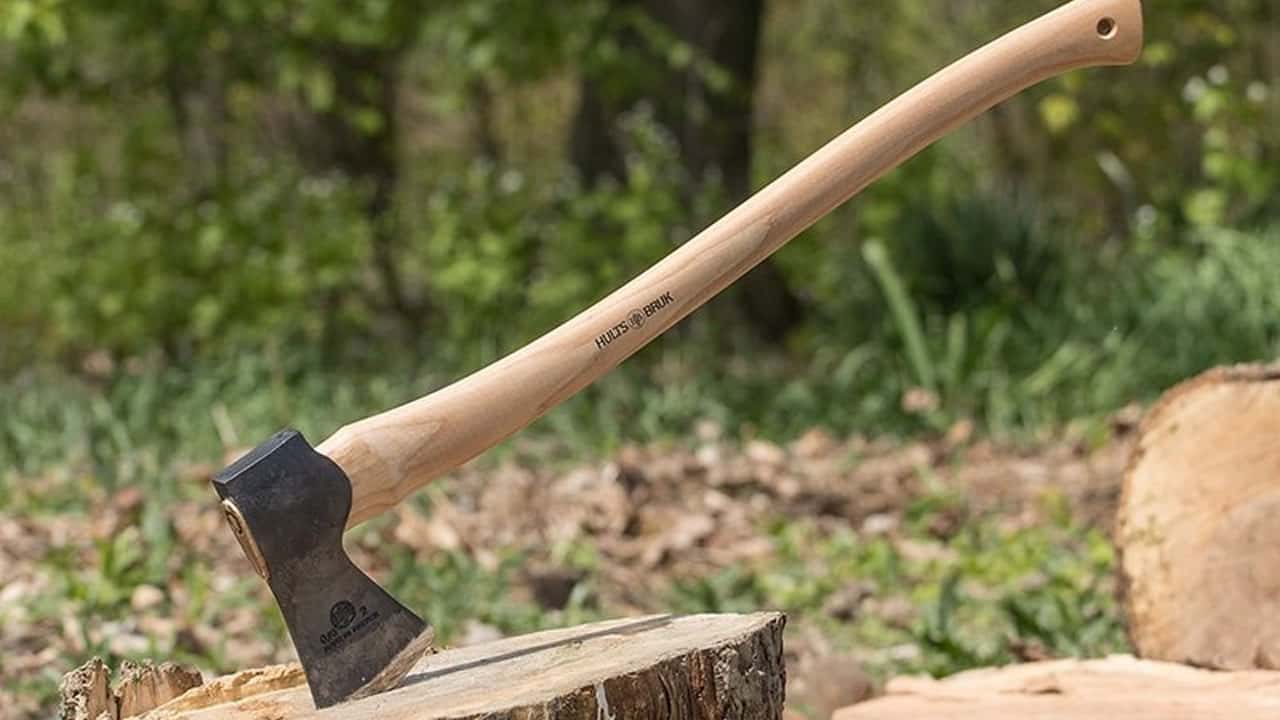
Axes used in axe throwing vary in weight, balance, and blade shape, each designed to cater to different skill levels and throwing styles. Venues in Kansas City typically offer a curated selection to accommodate beginners, intermediate throwers, and seasoned competitors. The primary categories include throwing axes, tomahawks, and hybrid axes, each with distinct characteristics that influence performance and safety.Throwing axes are the most common in venues, featuring a compact head and lightweight shaft, ideal for beginners due to their forgiving nature and ease of control. Tomahawks, with their broader heads and heavier build, require more precision but offer a satisfying impact, favored by intermediate and advanced throwers. Hybrid axes blend elements of both, providing a balance between maneuverability and power. Materials range from carbon steel (durable and lightweight) to stainless steel (rust-resistant and sharper), with some venues offering wooden-handled axes for a traditional aesthetic or synthetic grips for enhanced grip in humid conditions.
The selection of axe type should align with the thrower’s skill level, venue regulations, and personal preference for weight distribution and blade shape.Target Design and Material Innovations
Targets in Kansas City axe-throwing venues are engineered to withstand repeated impacts while providing clear scoring feedback. Traditional targets use high-density foam cores wrapped in plywood or composite materials, but modern venues incorporate layered rubberized compounds for durability and adjustable scoring zones to accommodate different axe types. Some advanced targets feature replaceable inserts to extend lifespan and allow for customization, such as branded logos or themed graphics.Scoring zones are typically divided into bullseyes, outer rings, and miss zones, with electronic or manual scoring systems tracking hits. Venues like The Axe Effect and Broadside Axe Throwing utilize LED-lit targets to highlight scoring areas dynamically, enhancing the visual appeal. Durability is further improved through reinforced backboards and shock-absorbing mounts, reducing vibrations that could affect accuracy.
Themed and Customized Targets
To elevate the axe-throwing experience, Kansas City venues often collaborate with local artists and businesses to create themed targets that reflect regional culture, pop culture, or seasonal events. Examples include:
Cityscape targets featuring iconic Kansas City landmarks like the Power and Light District or Kauffman Center for the Performing Arts. Sports-themed targets aligned with local teams, such as the Chiefs or Royals, complete with team logos and jerseys. Pop culture references, including Star Wars, Marvel, or Harry Potter motifs, appealing to fans of specific franchises. Seasonal or holiday targets, such as Halloween-themed or Christmas-themed designs, to attract event-based crowds. These customizations not only enhance engagement but also serve as marketing tools, fostering a sense of community and local pride. Venues may offer personalized targets for corporate events or birthdays, further tailoring the experience.
Comparison of Axe Types and Target Designs
The following table provides a comparative overview of axe types and target designs commonly found in Kansas City venues, highlighting their materials, suitability, and venue examples.
Type Material Best For Venue Examples Throwing Axes Carbon steel head, lightweight shaft (aluminum or composite), wooden/synthetic grip Beginners and casual throwers; emphasis on control and safety The Axe Effect, Broadside Axe Throwing Tomahawks Stainless steel head, heavier shaft (often wooden), ergonomic grip Intermediate/advanced throwers; higher impact and precision Broadside Axe Throwing, Axe Toss KC Hybrid Axes Mixed materials (e.g., steel head with balanced weight distribution), adjustable grips Versatile for all skill levels; competitive throwers seeking customization The Axe Effect (private events), Axe Toss KC Standard Foam Targets High-density foam core, plywood/composite outer layer, replaceable inserts General use; durable and adjustable scoring zones All major venues (e.g., The Axe Effect, Broadside) Themed/Custom Targets Rubberized compounds, printed vinyl overlays, LED lighting integration Special events, corporate bookings, themed nights Broadside Axe Throwing (cityscape targets), Axe Toss KC (sports-themed) Electronic Scoring Targets Impact sensors, digital displays, layered scoring zones Competitive leagues, timed throws, data tracking The Axe Effect (pro leagues), Axe Toss KC (tournament setups) Axe throwing in Kansas City exemplifies how a specialized activity can evolve into a multifaceted cultural and social movement. By fostering community through competitive leagues, themed events, and local partnerships, venues have redefined the sport’s role in urban entertainment. The city’s commitment to safety, innovation in equipment, and strategic collaborations with businesses further solidify axe throwing as a lasting trend. As participation continues to grow, Kansas City’s axe-throwing scene stands as a testament to the power of experiential engagement and the enduring appeal of blending tradition with modern creativity.
Leave a Comment
Comments are moderated before appearing. The data you submit is processed according to the Privacy Policy of www.linuxunplugged.com.