Apex Legends Crypto Wallpaper Designs Merge Game Art With Blockchain Aesthe

Table of Contents
- The Cultural and Thematic Fusion of Apex Legends and Cryptocurrency Aesthetics
- Visual Motifs in Apex Legends and Their Crypto-Inspired Adaptations
- Step-by-Step Guide to Identifying Apex Legends Visual Trends for Crypto Wallpaper Themes
- Technical Methods for Creating Crypto-Themed Apex Legends Wallpapers
- Software Tools and Plugins for Asset Integration
- File Formats and Optimization for Wallpaper Output
- Integrating Blockchain-Related Graphics Using Layer Masks and Blending Modes
- Crypto Wallpaper Design Trends Linked to Apex Legends : A Fusion of Gaming and Blockchain Aesthetics
- Cyberpunk Meets Crypto: Neon Environments and DeFi Interfaces
- Pixel Art + Blockchain: Generative NFT Techniques for Retro Apex Legends Styles
- 3D Renders with Crypto Textures: Procedural Blockchain Visuals
- Five Unique Apex Legends Crypto Wallpaper Concepts
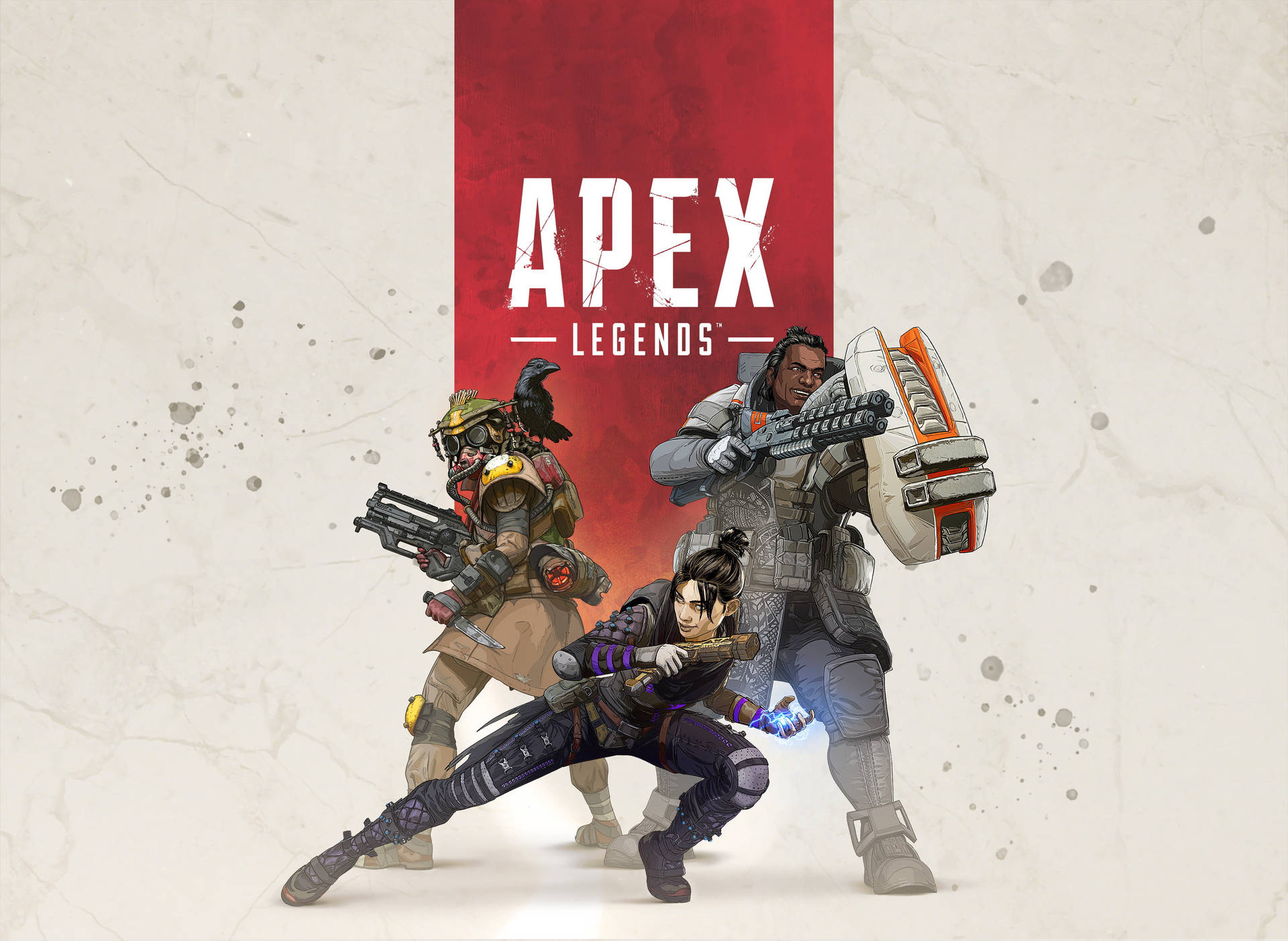
The fusion of Apex Legends’ iconic visual identity with cryptocurrency’s digital artistry presents a compelling intersection of gaming culture and blockchain innovation. This synthesis transcends traditional wallpaper design by reimagining futuristic weaponry, neon-lit battlefields, and legendary characters through the lens of NFTs, DeFi interfaces, and procedural generation techniques. By analyzing how pixel art, cyberpunk lighting, and 3D textures align with crypto motifs—such as hex grids or tokenized collectibles—designers can create immersive digital assets that resonate with both esports enthusiasts and blockchain communities.
From extracting high-resolution Apex Legends textures to integrating blockchain symbols via non-destructive editing, the process demands technical precision and creative adaptability. Whether through pixel-art NFTs, cyberpunk-inspired DeFi dashboards, or 3D-rendered Titan skins infused with crypto textures, this guide explores methodologies to bridge two dynamic digital landscapes. The result is not merely wallpaper but a visual narrative that reflects the evolving aesthetics of decentralized culture.
The Cultural and Thematic Fusion of Apex Legends and Cryptocurrency Aesthetics
The intersection of Apex Legends and cryptocurrency aesthetics represents a convergence of two dominant digital cultures: competitive esports gaming and decentralized finance (DeFi) visual identity. Both domains thrive on futuristic, high-tech visual languages—Apex Legends through its cyberpunk-inspired sci-fi universe, and cryptocurrency through blockchain-driven digital art, NFTs, and speculative financial symbolism. This fusion leverages shared motifs such as neon lighting, glitch art, and modular design systems, while adapting them to reflect themes of ownership, scarcity, and digital collectibility inherent in crypto. The result is a hybrid visual language that merges tactical gaming immersion with the speculative allure of digital assets.The thematic alignment between the two worlds is reinforced by their reliance on digital-native aesthetics. Apex Legends’ environments—characterized by high-contrast color schemes, dynamic lighting, and fragmented perspectives—mirror the fragmented, decentralized nature of blockchain networks. Similarly, character skins and weapon designs often incorporate futuristic textures and geometric patterns, which can be reinterpreted as blockchain nodes, NFT metadata, or decentralized identity markers. This synergy extends to cultural trends, where both communities embrace limited-edition drops, community-driven customization, and speculative value attribution to digital artifacts.
Visual Motifs in Apex Legends and Their Crypto-Inspired Adaptations
Apex Legends’ visual identity is built on recurring motifs that can be systematically reinterpreted through a crypto lens. These motifs include:The following table provides a structured comparison of traditional Apex Legends elements and their crypto-inspired adaptations, alongside artistic references that embody these themes:
| Game Element | Traditional Aesthetic Traits | Crypto-Inspired Adaptations | Example Artistic References |
|---|---|---|---|
| Titan Skins | Modular armor designs with color gradients, metallic textures, and tactical markings. | NFT-based skins with embedded metadata (e.g., "staked" skins unlocking exclusive traits, dynamic wear-and-tear effects tied to blockchain activity). |
|
| Map Layouts (e.g., Kings Canyon, World’s Edge) | Geometric environments with verticality, industrial ruins, and neon signage. | Blockchain network visualizations where maps represent decentralized nodes, and loot crates symbolize token distributions. |
|
| Weapon Skins (e.g., Wingman, Flatline) | Holographic sights, energy-based effects, and weapon-specific iconography. | Digital weapons as "smart contracts" with interactive elements (e.g., firing patterns tied to on-chain events, ammo represented as ERC-20 tokens). |
|
| Environmental Hazards (e.g., shockwaves, gas clouds) | Particle effects with color-coded dangers (e.g., red for fire, blue for ice). | Visualizations of blockchain risks (e.g., gas fees as "energy drains," failed transactions as "shockwaves"). |
|
Step-by-Step Guide to Identifying Apex Legends Visual Trends for Crypto Wallpaper Themes
To systematically extract visual trends from Apex Legends for crypto wallpaper design, follow this structured approach:The core principle is to deconstruct the game’s visual language into modular components (color, shape, texture, motion) and remap them onto crypto-specific narratives (decentralization, scarcity, interactivity).Step 1: Color Palette Analysis
Apex Legends employs a limited but high-impact palette dominated by:
Actionable Insight:
Extract dominant hues using tools like Adobe Color or Coolors from in-game screenshots, then pair them with crypto-relevant gradients (e.g., shifting from blue to green for "bullish" transitions).
Step 2: Composition Techniques
The game’s visuals rely on:
Example Application:
A crypto wallpaper could feature a glitching Titan skin (using Apex’s corrupted texture effects) overlaid with a blockchain explorer UI, where weapon attachments represent wallet addresses.
Step 3: Motion and Particle Effects
Apex Legends’ particle systems (e.g., muzzle flashes, environmental hazards) can be reinterpreted as:
Technical Implementation:
Use After Effects or Blender to animate particle systems with real-time data feeds (e.g., Ethereum gas prices) to create dynamic wallpapers.
Step 4: Thematic Narrative Mapping
Align Apex Legends’ lore with crypto themes:
Technical Methods for Creating Crypto-Themed Apex Legends Wallpapers
The fusion of Apex Legends’ iconic visuals with cryptocurrency aesthetics requires a structured technical approach to ensure visual cohesion, scalability, and artistic integrity. This process involves leveraging specialized software tools, procedural generation techniques, and non-destructive editing workflows to merge game assets with blockchain-inspired motifs. The result is a wallpaper that retains the high-resolution clarity of Apex Legends while incorporating crypto symbolism—such as hex grids, blockchain chains, or NFT verification badges—without compromising performance or visual fidelity.The technical execution hinges on three core pillars: asset extraction and preparation, layer-based composition, and procedural enhancement. Each step is optimized for file formats (PNG, SVG, WebP) that balance quality and compatibility across devices, while plugins and scripts automate repetitive tasks. Below, the workflow is broken down into actionable methods, supported by software recommendations and code snippets for dynamic pattern generation.
Software Tools and Plugins for Asset Integration
The selection of software determines the efficiency of merging Apex Legends textures with cryptocurrency visuals. Professional-grade tools offer precision in layer manipulation, procedural effects, and file format optimization. Below are the recommended applications, categorized by their primary function in the workflow:Key Considerations for Tool Selection:
Resolution Handling: Apex Legends assets often exceed 4K; tools must support 8K+ workflows. Non-Destructive Edits: Layer masks and smart objects prevent permanent alterations to source files. Format Compatibility: Export options should include lossless formats (PNG, WebP) and vector layers (SVG) for scalability.
-
Raster Editing and Composition:
- Adobe Photoshop – Industry standard for layer masks, blending modes (e.g., Overlay, Screen), and displacement maps. Plugins like Neon Glow (by PixelBog) enhance crypto-themed lighting effects.
- GIMP (Free Alternative) – Supports PSD compatibility and advanced layer blending, though plugin support is limited compared to Photoshop.
- Affinity Photo – A cost-effective alternative with non-destructive edits and batch processing for multiple wallpaper variants.
-
3D Texturing and Procedural Generation:
- Blender (Free) – Essential for generating 3D crypto motifs (e.g., blockchain chains) and exporting high-poly textures. Add-ons like Node Wrangler streamline shader workflows.
- Substance Painter – Specialized in PBR (Physically Based Rendering) textures, useful for creating crypto-themed material libraries (e.g., metallic Bitcoin textures).
-
Vector and UI Design:
- Adobe Illustrator – For creating scalable crypto symbols (e.g., Ethereum logos, hex grids) as SVG files, which can be overlaid on Apex Legends raster assets.
- Inkscape (Free) – Open-source vector editor for editing SVG files and generating procedural patterns.
-
Mobile and Procreate Workflows:
- Procreate – Ideal for hand-drawn crypto motifs (e.g., stylized NFT badges) that can be imported as PNG layers. Supports layer groups and blending modes.
- Krita (Free) – Offers HDR painting tools for creating custom crypto-themed lighting effects compatible with Apex Legends’ neon aesthetics.
-
Procedural and Scripting Tools:
- Processing (Java-based) – For generating algorithmic crypto patterns (e.g., hex grids, fractal blockchain chains) that align with Apex Legends’ pixel art style.
- Shadertoy (GLSL) – Web-based platform for creating real-time shaders that simulate blockchain-like visuals (e.g., dynamic noise textures).
- Python (Pillow/PIL) – Scripting library for batch processing Apex Legends textures and applying crypto overlays programmatically.
File Formats and Optimization for Wallpaper Output
The choice of file format directly impacts the wallpaper’s visual quality, file size, and compatibility across devices. Apex Legends wallpapers benefit from formats that preserve transparency, support high dynamic range (HDR), and enable lossless compression. Below are the recommended formats and their use cases:Format Selection Criteria:
Transparency: PNG and WebP support alpha channels for seamless integration of crypto badges or hex grids. Lossless Compression: WebP and FLIF (emerging format) reduce file size without quality loss. Vector Scalability: SVG files are ideal for crypto logos or geometric patterns that must scale without pixelation. HDR Support: Exr or OpenEXR formats are used for intermediate HDR workflows before final export.
-
Primary Export Formats:
- PNG (Portable Network Graphics) – Lossless format with alpha channel support. Ideal for static wallpapers with crypto overlays (e.g., Bitcoin icon on Titan skin).
- WebP (Web Picture) – Modern format with superior compression for lossless or lossy (high-quality) wallpapers. Supports transparency and HDR.
- SVG (Scalable Vector Graphics) – For crypto-themed vector elements (e.g., blockchain chains, NFT badges) that can be embedded as layers in raster compositions.
- JPEG (Baseline) – Avoid for wallpapers due to lossy compression artifacts, but usable for low-resolution previews.
-
Optimization Techniques:
- Layer Merging: Use Photoshop’s Save for Web to convert layered PNGs into a single optimized file while preserving transparency.
- WebP Conversion: Utilize tools like
cwebp(Google’s CLI) to convert PNGs to WebP with custom quality settings (e.g.,--quality 100 --lossless). - SVG Embedding: Export crypto vectors as SVG, then import them into Photoshop as smart objects to maintain scalability.
- Batch Processing: Use Python scripts with the
Pillowlibrary to resize and optimize multiple wallpaper variants simultaneously.
-
Example Workflow for Format Conversion (Python):
            from PIL import Image

            import osdef convert_to_webp(input_dir, output_dir, quality=100):

                for filename in os.listdir(input_dir):

                    if filename.endswith((".png", ".jpg")):

                        img = Image.open(os.path.join(input_dir, filename))

                        webp_path = os.path.join(output_dir, f"{os.path.splitext(filename)[0]}.webp")

                        img.save(webp_path, "WebP", quality=quality, lossless=True)convert_to_webp("apex_assets/", "optimized_webp/", 95)
Integrating Blockchain-Related Graphics Using Layer Masks and Blending Modes
The seamless fusion of Apex Legends assets with crypto graphics relies on non-destructive editing techniques. Layer masks and blending modes enable precise control over opacity, lighting, and composition without altering the original textures. Below are the methods for integrating elements like hex grids, blockchain chains, and NFT badges:Best Practices for Layer Integration:
Non-Destructive Workflow: Always use layer masks or smart objects to avoid permanent edits to source files. Blending Modes: Leverage modes like Overlay, Screen, or Add to merge crypto elements with Apex Legends’ neon or metallic textures. Masking Techniques: Use gradient masks or custom brushes to simulate depth (e.g., a blockchain chain "floating" over a Titan’s armor).
-
Layer Mask Techniques:
- Hex Grid Overlay:
- Create a hex grid pattern in Illustrator or Processing, export as PNG with transparency. <
- Smart contract dashboards overlaid on Apex Legends maps (e.g., King’s Canyon reimagined as a DeFi yield farming hub).
- Neon-lit tokenomics charts replacing in-game scoreboards, with real-time price feeds from platforms like Uniswap or Aave.
- Holographic "Battle Pass" NFT progression bars, where unlockable skins correspond to tokenized rewards (e.g., ERC-721 drops for completing "quests" like staking or liquidity provision).
- Use Blender or Substance Painter to composite Apex Legends 3D assets with Figma/Adobe XD DeFi UI mockups.
- Apply glow effects (via Photoshop’s Neon Glow filter or Blender’s Emission Shader) to mimic Apex Legends’ signature lighting while ensuring readability for colorblind audiences (e.g., avoiding red-green contrasts).
- Example Palette: `#FF00FF` (magenta) for primary accents (e.g., token values), `#00FFFF` (cyan) for secondary UI, and `#000000` (black) for backgrounds to maintain Apex Legends’ high-contrast style.
- Procedural pixelation of Apex Legends characters (e.g., Bloodhound’s tracking drone reimagined as a pixelated, algorithmically generated avatar).
- On-chain variability where each NFT wallpaper variant alters pixel density, color schemes, or character poses (e.g., Pathfinder’s grappling hook as a dynamic, glitch-effect element).
- Minting as a "skin drop"—wallpapers function as collectible NFTs tied to in-game events (e.g., a pixel-art Apex Legends × CryptoPunks crossover).
- Hatch.sh or Generative Art Tools for creating pixel-based smart contracts.
- Photoshop’s Pixelate filter combined with JavaScript (p5.js) for custom generative logic.
- Accessibility Note: Ensure pixel art uses high-contrast color pairs (e.g., `#FFFFFF` on `#000000`) and avoid fine details that may not render clearly on low-DPI screens.
- Substance Painter nodes to simulate blockchain "mining" patterns on Apex Legends armor (e.g., Valkyrie’s exo-suit with circuit-like textures).
- Displacement maps to add glitch effects reminiscent of blockchain transactions (e.g., Caustic Gas’s fog rendered as a distorted, pixelated haze).
- Metallic/roughness maps to mimic crypto coin surfaces (e.g., Apex Legends’ Rampage skin retextured to resemble a Bitcoin core).
- Colorblind-friendly textures: Replace red/green gradients (e.g., in Apex Legends’ health bars) with blue/yellow or black/white alternatives.
- High-contrast edges: Ensure procedural textures maintain sharp outlines for readability on OLED screens.
-
Battle Pass NFT Mockup
A dynamic wallpaper where Apex Legends’ Battle Pass tiers are represented as ERC-721 tokens, with each skin drop (e.g., Horizon Journey) as a mintable NFT. The design includes:
- A procedurally generated "passport" showing owned tokens.
- Neon progress bars that update based on hypothetical staking rewards.
- Example Tools: Figma for UI layout, Solidity for smart contract logic (via Hardhat).
Crypto Wallpaper Design Trends Linked to Apex Legends: A Fusion of Gaming and Blockchain Aesthetics
The intersection of Apex Legends’ iconic visual language and cryptocurrency design trends presents a dynamic opportunity for artists and developers to create immersive, functional wallpapers that bridge gaming culture with blockchain innovation. Emerging trends leverage Apex Legends’ signature neon-lit environments, pixel art heritage, and 3D asset styles to produce crypto-themed visuals that resonate with both esports enthusiasts and digital asset communities. These designs often incorporate decentralized finance (DeFi) interfaces, procedural textures, and NFT generative techniques, transforming static wallpapers into interactive or collectible digital artifacts.The appeal of these hybrid designs lies in their ability to merge nostalgia with cutting-edge technology. For instance, retro Apex Legends pixel art can be reimagined using blockchain-based generative tools, while 3D-rendered assets can be textured with crypto-specific visuals like blockchain nodes or tokenomics dashboards. Below, key trends and conceptual examples illustrate how these fusions are materializing in the digital art space.
Cyberpunk Meets Crypto: Neon Environments and DeFi Interfaces
The cyberpunk aesthetic of Apex Legends—characterized by high-contrast neon lighting, holographic overlays, and futuristic cityscapes—aligns seamlessly with the sleek, data-driven visuals of decentralized finance (DeFi). Designers are integrating Apex Legends’ signature environments with UI elements such as:
Key Technical Implementation:
Pixel Art + Blockchain: Generative NFT Techniques for Retro Apex Legends Styles
Apex Legends’ early promotional materials and mobile game assets feature a distinct 8-bit and 16-bit pixel art style, which lends itself to generative NFT art platforms like Art Blocks or Fractal Foundry. This trend involves:
Tools and Methods:
3D Renders with Crypto Textures: Procedural Blockchain Visuals
High-fidelity Apex Legends 3D assets (e.g., weapons, legends, or environments) can be enhanced with procedural crypto textures to create wallpapers that feel tactile and dynamic. Techniques include:
Workflow Example:
1. Source Assets: Export Apex Legends 3D models from Blender or Unreal Engine (via fan-made assets or reverse-engineered textures).
2. Texture Creation: Use Substance Designer to build procedural crypto materials (e.g., combining noise nodes with smart material presets for tokenomics visuals).
3. Rendering: Apply textures in Blender’s Cycles or Octane Render with HDRI lighting to match Apex Legends’ cinematic style.
4. Post-Processing: Add vignettes or scanlines (via Photoshop’s Camera Raw filter) to emphasize the gaming aesthetic.Accessibility Consideration:
Five Unique Apex Legends Crypto Wallpaper Concepts
The following concepts blend Apex Legends’ lore with cryptocurrency themes, designed for both desktop wallpapers and NFT collectibles:
-
Legendary Loot as Fungible Tokens
In-game items (e.g., Wings of War, Shockwaves) are reimagined as ERC-20 or SPL tokens, with wallpapers featuring:
- A tokenomics dashboard displaying "liquidity pools" for rare items.
- Animated GIFs of items "dropping" like blockchain transactions.
- Use Case: Promotional wallpapers for Apex Legends × Solana or Ethereum collabs.
- Hex Grid Overlay:
-
Crypto Titan Portraits
Apex Legends characters are merged with blockchain avatars, such as:
- Gibraltar as a DAO Leader, with a token-voting interface overlaid on his portrait.
- Bloodhound’s drone redesigned as a decentralized oracle (e.g., Chainlink-inspired UI).
- Implementation: Photoshop for compositing, Adobe Dimension for 3D elements.
-
Neon Circuit Maps
Apex Legends’ maps (e.g., World’s Edge) are retextured with circuit-board patterns and LED-style token values, creating:
- A real-time "map economy" where player movement affects token supply (e.g., Gibraltar’s shield as a "staking APY").
- Glitch effects to simulate blockchain forks or failed transactions.
-
Tokenized Legendary Weapons
Weapons like the Mozambique or Flatline are depicted as NFT-backed assets, with wallpapers featuring:
- 3D-rendered guns with blockchain transaction hashes engraved on the barrel.
- Rarity tiers displayed via color-coded badges (e.g., Legendary = gold
The marriage of Apex Legends and cryptocurrency wallpaper design exemplifies how gaming and blockchain ecosystems can inspire mutually enriching artistic expressions. By leveraging color theory, procedural generation, and layer-based composition, creators can produce wallpapers that honor the game’s legacy while embracing the transparency and innovation of digital assets. These designs serve as more than mere backgrounds—they become gateways to exploring themes of ownership, rarity, and community in both gaming and crypto spheres. As the intersection of these worlds continues to evolve, the possibilities for merging iconic visuals with blockchain-driven creativity remain boundless.
Leave a Comment
Comments are moderated before appearing. The data you submit is processed according to the Privacy Policy of www.linuxunplugged.com.